The Farmer's Dog Fresh Dog Food Subscription: Ingredients, Pricing, and What Pet Owners Should Know
A practical, compliance-focused overview of gently cooked meal plans, formulation standards, delivery logistics, and cost factors by dog size and calorie needs.
CHICAGO, December 18, 2025 (Newswire.com) - Disclaimer: This article is for informational purposes only and does not constitute veterinary advice. Fresh dog food is regulated as food, not medicine, and is not intended to diagnose, treat, cure, or prevent any disease. Always consult a qualified veterinarian before making changes to your pet's diet. Affiliate Disclosure: This article contains affiliate links. If you click on these links and make a purchase, a commission may be earned at no additional cost to you. This compensation does not influence the accuracy or integrity of the information presented.
The Farmer's Dog Review 2026: Fresh Dog Food Worth the Cost?
If you've spent any time on social media lately, you've probably seen the ads. A happy dog. Fresh food in neat little packets. The promise of something better than what's sitting in the bag on your kitchen floor.
The Farmer's Dog has become one of the most visible names in the fresh dog food space, and with visibility comes skepticism.
People want to know: Is this actually different from what I'm feeding now? Is it worth the price? Is any of this real, or is it just good marketing?
Those are fair questions. And they deserve honest answers.
This review breaks down what The Farmer's Dog actually offers, how their food is made, what it costs, who it works best for, and where it might not be the right fit. No hype. No pressure. Just the information you need to decide if this belongs in your dog's bowl.
What Is The Farmer's Dog?
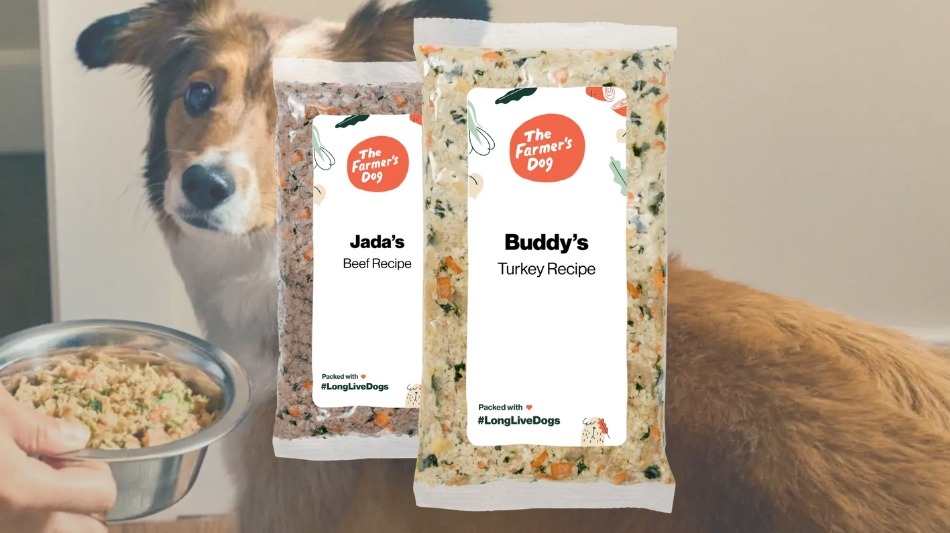
The Farmer's Dog is a subscription-based fresh dog food delivery service that ships pre-portioned, gently cooked meals directly to your door. According to the company, meals are prepared in human food facilities using human-grade ingredients, then quickly frozen and shipped on a recurring schedule customized to your dog's needs.
The concept isn't complicated: real food, made fresh, delivered before you run out.
What sets The Farmer's Dog apart from traditional pet food isn't a secret ingredient or proprietary technology. It's the production model itself. Rather than manufacturing shelf-stable products designed to last for months or years in a warehouse, the company prepares food on a rolling basis and ships it frozen within days of production.
According to the brand, this approach allows them to avoid the shelf-stabilizing preservatives typically used in long-term storage kibble. The tradeoff is that you need freezer space and a subscription commitment, but the company positions the benefit as food that more closely resembles home-prepared meals.
See current pricing and meal plan options for your dog
Disclosure: If you register through this link, a commission may be earned at no additional cost to you.
How The Farmer's Dog Works
The process starts with a short questionnaire about your dog. You'll provide information about breed, age, weight, activity level, and any health considerations. Based on your answers, the company's system generates a recommended meal plan with specific calorie calculations and portion sizes tailored to your dog.
Here's what the typical experience looks like:
Step 1: Build Your Plan
You answer questions about your dog's profile. The system uses this information, developed in consultation with veterinary nutritionists according to the company, to calculate daily calorie needs and recommend appropriate recipes.
Step 2: Receive Your First Box
Your initial shipment typically includes up to two weeks of food, allowing your dog to try the meals and transition gradually from their current diet. The company recommends a slow transition period mixing old and new food to minimize digestive adjustment.
Step 3: Ongoing Deliveries
If you continue, the subscription automatically ships new boxes timed to arrive before you run out. You can adjust delivery frequency, pause, or cancel through your online account.
According to the company's website, all food arrives in insulated packaging with either dry ice or cold packs. You store unopened packs in the freezer and move them to the refrigerator to thaw as needed - typically about 12 hours before feeding.
Check current plans and pricing here
What's Actually in the Food?
The Farmer's Dog offers several recipe options built around different protein sources. According to the company, current recipes include beef, chicken, turkey, and pork variations, each combined with vegetables and balanced with vitamins and minerals.
The brand emphasizes what they call human-grade ingredients - meaning the ingredients and production processes meet standards for human food, not just pet food. This is a meaningful distinction. According to the company, their meals are prepared in USDA-registered facilities that also produce food for human consumption, following the same safety protocols.
Here's what the company states about their ingredient philosophy:
Proteins: Whole cuts of meat from sources that meet human food standards
Vegetables: Simple whole foods like carrots, lentils, broccoli, and spinach depending on the recipe
No preservatives for shelf stability: Because the food ships frozen and stays refrigerated rather than being designed for long-term shelf storage, the company states it does not rely on the preservatives typically used in shelf-stable pet foods
No fillers: According to the brand, recipes don't include corn, wheat, soy, or artificial additives
Each recipe is formulated to meet AAFCO nutrient profiles for complete and balanced nutrition, as stated by the company. AAFCO (Association of American Feed Control Officials) sets nutritional guidelines that pet food must meet to be labeled as complete nutrition for dogs. According to The Farmer's Dog, their recipes are developed by board-certified veterinary nutritionists and are formulated to meet AAFCO requirements for all life stages or specific life stages depending on the formula.
The "Human-Grade" Question
You'll see "human-grade" used frequently in The Farmer's Dog marketing, so it's worth understanding what this actually means.
In the pet food industry, there's a significant difference between feed-grade and human-grade production. Feed-grade facilities operate under different regulatory standards and may use ingredients that wouldn't qualify for human consumption - including, according to industry critics, rendered materials and by-products from various sources.
The company describes its meals as "human-grade," meaning they are made with ingredients sourced from the human food supply chain and prepared in facilities that meet human food production standards. According to The Farmer's Dog, their facilities operate under USDA human food facility requirements. These products are formulated specifically for dogs and are not marketed or labeled for human consumption.
Does this matter for your dog's health? The research is still developing. Some veterinary professionals argue that ingredient quality impacts digestibility and nutrient availability. Others note that dogs have different nutritional needs than humans and can thrive on properly formulated feed-grade foods.
What's not debatable is the safety standard difference. Human food facilities operate under human food safety frameworks, which the company says provide a higher level of oversight than feed-grade production. For pet owners concerned about recalls and quality control issues that have affected the broader pet food industry, this distinction may carry weight.
What Does The Farmer's Dog Cost?
This is where most people pause - and understandably so. Fresh food costs more than kibble. That's true across the category, not just for The Farmer's Dog.
According to the company's website, plans start at approximately $2 per day, but actual pricing depends on several factors:
Your dog's size and weight
Daily calorie requirements
Activity level
Recipe selection
Delivery frequency
A small, less active dog will cost significantly less than a large, high-energy breed. The company provides exact pricing during the signup process after you complete your dog's profile.
The Farmer's Dog falls within the fresh delivery range, with smaller dogs typically landing on the lower end and larger dogs approaching or exceeding the higher end.
Is it worth the premium? That depends entirely on what you're optimizing for. If cost-per-calorie is your primary concern, traditional kibble will always win. If you're prioritizing ingredient quality, production standards, and convenience over home cooking, fresh delivery services offer a middle path.
See your dog's personalized pricing options
The Fresh Food Research Question
One thing The Farmer's Dog doesn't do is claim their food cures diseases or guarantees specific health outcomes. That's actually a good sign from a credibility standpoint - legitimate companies don't make drug claims about food products.
What the company does reference is general research on fresh food diets for dogs. The fresh pet food category has attracted increasing attention from researchers, with some studies examining factors like digestibility and nutrient absorption in minimally processed foods compared to heavily processed alternatives.
However, it's important to understand the limitations:
Most research compares fresh food to heavily processed alternatives, not to high-quality kibble specifically
Individual dogs respond differently based on breed, age, health status, and other factors
Long-term comparative studies across the full lifespan are limited
"Fresh" encompasses a wide range of products and preparation methods
Fresh dog food is regulated as food, not medicine, and no disease treatment or prevention claims should be inferred from nutritional research
The honest answer is that nutritional science for dogs is still evolving. What we know is that complete and balanced nutrition matters, ingredient quality likely matters, and individual dogs have individual needs. Whether fresh food specifically will produce noticeable changes for your dog is something you'd discover through experience, not something anyone can guarantee in advance.
According to The Farmer's Dog, they employ board-certified veterinary nutritionists and on-staff veterinarians who oversee recipe formulation. The company states their food is recommended by thousands of veterinary professionals. As with any product, individual veterinary recommendations vary based on each professional's assessment and each dog's specific situation.
A note on testimonials: While The Farmer's Dog features customer and veterinary testimonials on its website, these statements reflect individual experiences and opinions. As a publisher, we do not verify or endorse claims of specific health outcomes, and such testimonials should not be interpreted as typical results or medical claims.
Who The Farmer's Dog May Be Right For
Not every dog needs fresh food, and not every owner will find the subscription model practical. But for certain situations, The Farmer's Dog addresses real pain points.
The Farmer's Dog may align well with dog owners who:
Value ingredient transparency
If knowing exactly what's in your dog's food matters to you - and you want ingredients you can actually identify - fresh food offers visibility that kibble labels don't always provide. According to the company, every recipe lists whole food ingredients without the "meal" designations or chemical-sounding additives common in processed pet foods.
Have dogs with picky eating habits
Some dogs simply don't find kibble appealing. The smell, texture, and taste of fresh food often differs significantly from processed alternatives. While individual preferences vary, fresh food's sensory profile tends to generate stronger interest from reluctant eaters.
Want to skip the DIY complexity
Home cooking for dogs requires careful nutritional balancing. Get it wrong, and you risk deficiencies that can cause serious health problems over time. According to research cited by veterinary sources, the majority of home-prepared diets have significant nutritional gaps. The Farmer's Dog offers the fresh food concept with the nutritional formulation handled by professionals.
Prioritize convenience over cost savings
Fresh food delivery eliminates store trips, bag storage, and the research required to evaluate options. For busy households where time carries a premium, the subscription model trades dollars for convenience.
Have dogs with specific dietary considerations
While The Farmer's Dog isn't marketed as a therapeutic diet, the simplified ingredient lists and sourcing from human food supply chains may appeal to owners looking for straightforward ingredient profiles. Limited ingredient options with single protein sources can make it easier to manage what your dog consumes. Always consult your veterinarian about dietary approaches for dogs with specific health concerns.
Who May Want to Consider Other Options
Honest assessment means acknowledging where a product isn't the best fit. The Farmer's Dog isn't for everyone, and recognizing that upfront saves time and frustration.
Other options may be preferable for dog owners who:
Are working within a tight budget
Fresh food costs more than kibble - substantially more for larger dogs. If monthly food costs are a significant concern, traditional options may serve your dog's nutritional needs at a fraction of the price. Many dogs live long, healthy lives on properly formulated conventional diets.
Have very large dogs
The economics shift significantly with dog size. A 100-pound dog eating fresh food exclusively will cost several times what a 20-pound dog costs. For large breed owners, partial fresh feeding (supplementing kibble with fresh food) might provide some benefits while managing costs.
Prefer not to manage frozen storage
The Farmer's Dog requires freezer space for incoming shipments and refrigerator space for thawing. If storage is limited or you prefer the simplicity of shelf-stable products, the logistics may not work for your household.
Have dogs with complex medical nutritional needs
Dogs with specific medical conditions (kidney disease, diabetes, pancreatitis, etc.) may require therapeutic diets formulated for those conditions. While The Farmer's Dog offers complete nutrition for healthy dogs, it's not a prescription diet. Always consult your veterinarian before changing the diet of a dog with medical nutritional requirements.
Travel frequently with their dogs
Fresh food requires refrigeration. If you're regularly on the road with your dog, the logistics of keeping food cold during travel may be impractical compared to shelf-stable alternatives.
Questions to Ask Yourself
Before choosing any dog food - fresh, kibble, raw, or otherwise - consider what matters most for your specific situation:
What's my realistic monthly budget for dog food?
How much freezer and refrigerator space do I have available?
Is my dog a picky eater, or will they eat whatever I put down?
Do I have time to research and compare ingredients, or do I want that handled for me?
Does my dog have any known food sensitivities or medical conditions affecting diet?
How important is knowing exactly what's in my dog's food?
Am I comfortable with a subscription model, or do I prefer buying as needed?
Your answers help determine which approach makes sense - not just whether The Farmer's Dog is right, but whether fresh food generally fits your situation.
Get started with a personalized meal plan for your dog
What Veterinary Professionals Say
The Farmer's Dog states that thousands of veterinary professionals recommend their food and feed it to their own dogs. The company features testimonials from veterinarians on their website, and according to the brand, they maintain a dedicated Vet Team Portal for veterinary professionals.
What you'll typically hear from veterinary sources about fresh dog food generally:
Supportive perspectives:
Fresh food may offer different digestibility characteristics compared to heavily processed alternatives
Ingredients sourced from human food supply chains meet different production standards
Complete and balanced fresh food can be nutritionally appropriate for healthy dogs
Some veterinarians recommend dietary changes as part of overall wellness approaches
Cautious perspectives:
Research specifically comparing fresh to premium kibble is limited
Cost may not justify changes for dogs already thriving on current diets
Owners should ensure any fresh food is formulated to meet AAFCO nutrient profiles
Dogs with specific medical conditions need diets formulated for those conditions
The most common veterinary recommendation? Talk to your own vet. They know your dog's health history, current condition, and specific needs. Any responsible fresh food company - including The Farmer's Dog - encourages veterinary consultation rather than suggesting their product replaces professional guidance.
The Subscription Model: Flexibility and Control
Some people hesitate at the word "subscription" because it implies commitment and recurring charges. The Farmer's Dog addresses this with what they describe as flexible subscription management.
According to the company's terms and website:
Pause anytime: You can pause deliveries through your account if you need to skip shipments
Cancel anytime: Cancellation is available through your online account; the company states you can cancel on or before the Wednesday prior to your next delivery window
Adjust quantities: If your dog needs more or less food, you can modify your plan
Change delivery frequency: Shipments can be adjusted based on how quickly you're going through food
Update shipping address: If you're traveling or moving, you can redirect shipments
The first order typically serves as a trial period - a smaller quantity letting you and your dog evaluate the food before committing to larger ongoing shipments.
One thing to note from the company's terms: according to current Terms of Use, subscription fees are not refundable once an order has shipped. If you decide to cancel, you'll receive food through the end of your current billing period, but won't receive refunds for food already delivered. This is standard across subscription services, but worth understanding upfront.
How to Get Started
If you've decided The Farmer's Dog might be worth trying, the process is straightforward:
1. Complete the dog profile questionnaire
Visit the website and answer questions about your dog. This takes just a few minutes and covers breed, age, weight, activity level, and any relevant health information.
2. Review your recommended plan
Based on your answers, the system generates a customized meal plan showing recommended recipes, portion sizes, and pricing. You'll see your exact costs before committing.
3. Choose your recipes
Select from available protein options based on your dog's preferences or any dietary restrictions.
4. Place your first order
Your initial shipment is designed to let your dog try the food and transition gradually. The company recommends mixing The Farmer's Dog food with your current food over about a week, gradually increasing the fresh food proportion.
5. Store and serve
When your box arrives, transfer packs to the freezer. Move packs to the refrigerator about 12 hours before feeding to thaw. The food is ready to serve directly from the pack - no cooking or preparation required.
View current pricing and plan options
Final Verdict: Is The Farmer's Dog Worth It?
Here's the honest answer: it depends on what you're looking for.
The case for The Farmer's Dog:
The company offers a genuinely differentiated product in a category dominated by shelf-stable processed foods. Ingredients sourced from human food supply chains, formulations developed by board-certified nutritionists to meet AAFCO nutrient profiles, production in facilities meeting human food standards, and convenient delivery address real logistical concerns that many dog owners share.
For owners who want fresh food without the time investment and nutritional uncertainty of home cooking, The Farmer's Dog provides a turnkey solution. The subscription model handles logistics, the formulation handles nutrition, and you handle the easy part - opening a pack and serving.
The company's transparency about ingredients, their investment in veterinary expertise, and their willingness to let the first shipment serve as a trial suggest confidence in their product. Dogs either like the food or they don't; owners either see value or they don't. The model is designed to let you discover that without a massive upfront commitment.
Considerations to weigh:
Cost remains the primary barrier for most people. Fresh food will always cost more than kibble, and significantly more for larger dogs. The question isn't whether The Farmer's Dog is expensive - it is, relative to conventional options - but whether the benefits justify that expense for your specific dog and budget.
The subscription model requires some planning. You need freezer space, you need to remember to thaw packs, and you need to manage deliveries. For some households, that's no problem. For others, the simplicity of a kibble bag has real appeal.
And perhaps most importantly: many dogs do just fine on conventional diets. If your dog is healthy, energetic, and thriving on their current food, switching to fresh food may not produce dramatic changes. Fresh food isn't a cure for anything - it's simply a different approach to meeting nutritional needs.
The bottom line:
The Farmer's Dog is legitimate. The company delivers what they promise: fresh, human-grade, nutritionally complete dog food on a convenient subscription. Whether that's the right choice for you depends on your priorities, your budget, and your dog's specific situation.
If you're curious, the first shipment gives you a low-risk way to find out. See how your dog responds. Evaluate whether the convenience and quality match what you're paying. Make an informed decision from there.
See your dog's personalized plan and current pricing
Contact Information
Company: The Farmer's Dog
Email: help@thefarmersdog.com
Phone Support: +1 (646) 780-7957
Disclaimers
Pet Food Regulatory Disclaimer: Fresh dog food is regulated as food, not medicine, and is not intended to diagnose, treat, cure, or prevent any disease in pets. Any references to general nutritional research should not be interpreted as claims of therapeutic benefit for specific health conditions.
Testimonial Distancing Disclaimer: While The Farmer's Dog features customer and veterinary testimonials on its website, these statements reflect individual experiences and opinions. As a publisher, we do not verify or endorse claims of specific health outcomes, symptom changes, or medical results. Individual testimonials should not be interpreted as typical results.
Editorial Disclaimer: This article is for informational purposes only and does not constitute veterinary advice. The information provided reflects publicly available details from The Farmer's Dog website and general pet nutrition knowledge. Always verify current terms, pricing, and product details directly with The Farmer's Dog before making purchasing decisions.
Professional Consultation Disclaimer: Pet health and nutrition involve variables specific to each animal. Before making changes to your dog's diet, especially for dogs with existing health conditions, consult with a qualified veterinarian. Your vet can assess your dog's specific nutritional needs and advise whether dietary changes are appropriate. This article does not constitute veterinary advice and should not replace professional guidance.
Results May Vary: Individual experiences with fresh dog food vary based on factors including breed, age, baseline health condition, activity level, previous diet, and other individual variables. The information in this article describes the product as represented by the manufacturer and does not guarantee specific outcomes for your dog.
FTC Affiliate Disclosure: This article contains affiliate links. If you click on these links and make a purchase, a commission may be earned at no additional cost to you. This compensation does not influence the accuracy, neutrality, or integrity of the information presented. All descriptions are based on publicly available information from The Farmer's Dog official website and general industry sources.
Pricing Disclaimer: All pricing information, promotional offers, and subscription terms mentioned were based on publicly available information at the time of publication (December 2025) and are subject to change without notice. Plans start at approximately $2 per day according to the company's website, but actual pricing depends on your dog's size, calorie needs, and plan selections. Always verify current pricing and terms directly with The Farmer's Dog before subscribing.
Publisher Responsibility Disclaimer: The publisher of this article has made every effort to ensure accuracy at the time of publication based on publicly available information. We do not accept responsibility for errors, omissions, or outcomes resulting from the use of the information provided. Readers are encouraged to verify all details directly with The Farmer's Dog and their veterinarian before making decisions.
Subscription Terms Note: According to The Farmer's Dog terms of use, subscriptions automatically renew and subscription fees are not refundable once an order has shipped. Review the complete terms of service on the official website before subscribing. Cancellation procedures and deadlines are available in your customer account.
SOURCE: The Farmer's Dog
Source: The Farmer’s Dog