Zealthy GLP-1 Weight Loss Program Guide: Pricing Breakdown, Insurance Coverage, FDA-Approved vs Compounded Medications Explained for 2026
Comprehensive Analysis Covers Cost Scenarios, Prior Authorization Process, Compounded vs FDA-Approved Regulatory Distinctions, and Self-Assessment Framework for Prospective Patients
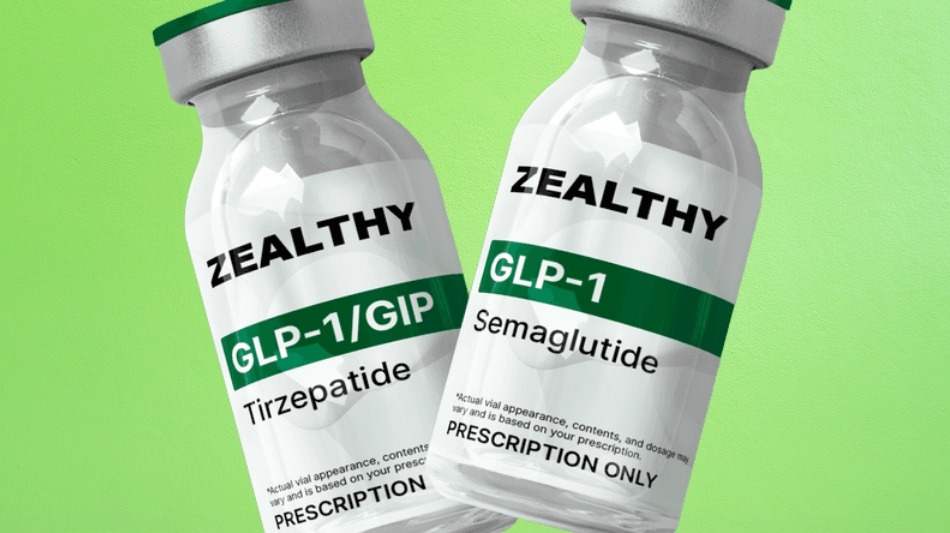
NEW YORK, January 3, 2026 (Newswire.com) - Disclaimer: This article is for informational purposes only. It is not medical advice. Always consult a qualified healthcare professional before starting prescription weight-loss treatment. If you purchase through links in this article, a commission may be earned at no additional cost to you.
View the current Zealthy offer
Quick Answer: What You Need to Know About Zealthy (2-Minute Read)
What Zealthy Actually Is:
Zealthy is an online platform connecting you with independent medical providers who may prescribe GLP-1 weight loss medications (both FDA-approved brands like Wegovy and compounded alternatives). According to the company, the platform handles insurance coordination, provides coaching support, and ships medication directly to your home.
The Real Costs:
First month membership: Promotional pricing is sometimes advertised-confirm the current introductory offer during sign-up
Ongoing membership: Promotional pricing varies; verify current non-promotional rates on the official website
Compounded semaglutide: As low as $151/month (when purchasing 3-month supply)
Compounded tirzepatide: As low as $216/month (when purchasing 3-month supply)
FDA-approved with insurance: According to the company, co-pays can be as low as $25/month IF insurance approves-actual co-pays vary significantly by plan and are not guaranteed
The Critical Distinction You Must Understand:
Zealthy offers BOTH FDA-approved medications (Wegovy, Zepbound, Ozempic, Mounjaro) AND compounded versions (semaglutide, tirzepatide).
FDA-approved medications have undergone complete FDA review for safety, effectiveness, and manufacturing quality.
Compounded medications are prepared by state-licensed pharmacies based on individual prescriptions. The active ingredients come from FDA-registered suppliers, but the finished compounded product itself has not undergone FDA's pre-market approval process.
This is the single most important thing to understand before signing up.
Who This May Work For:
You meet medical criteria (generally BMI ≥30 or BMI ≥27 with weight-related health conditions)
You can commit to ongoing monthly costs long-term (membership + medication)
You prefer online access vs. in-person doctor visits
You need help navigating insurance coverage for expensive GLP-1 medications
You want coaching support alongside medication
Who Should Look Elsewhere:
You have complex medical conditions requiring in-person evaluation
You're uncomfortable with compounded medications and insurance won't cover FDA-approved versions
You can't afford ongoing monthly costs indefinitely
You have contraindications (personal/family history of medullary thyroid carcinoma, pregnancy, nursing)
Bottom Line Upfront:
Zealthy is a technology platform offering access to prescription GLP-1 medications often at lower costs than typical cash-pay retail pricing for brand-name GLP-1s when insurance does not cover. The platform itself doesn't provide medical care-independent providers do. Whether compounded medications are right for you vs. FDA-approved is a personal decision based on regulatory comfort level and insurance coverage.
View the current Zealthy offer
Continue reading for complete details on how Zealthy works, safety considerations, insurance reality, and whether this specific platform is right for your situation.
Key Takeaways
Zealthy is a telehealth platform, not a medical provider - Independent healthcare professionals make all clinical decisions about prescriptions
Offers FDA-approved and compounded GLP-1 options - These are fundamentally different regulatory frameworks with different oversight
Insurance approval is not guaranteed - Prior authorization depends entirely on your specific plan's policies and your medical documentation
Compounded medications are not FDA-approved as finished products - They use FDA-registered ingredients but haven't undergone FDA pre-market review
Long-term costs and commitment matter - GLP-1 medications typically require ongoing use for sustained results; budget for months to years, not weeks
Key Definitions: Understanding GLP-1 Weight Loss Terminology
Before diving into costs and coverage, here are the essential terms you'll encounter:
FDA-Approved Medication: A drug that has undergone the FDA's complete review process for safety, effectiveness, and manufacturing quality for specific approved uses. Examples: Wegovy, Zepbound.
Compounded Medication: A medication prepared by a state-licensed pharmacy based on an individual prescription, using active ingredients from FDA-registered suppliers. The finished compounded product has not undergone FDA pre-market review.
Prior Authorization (PA): A process where your healthcare provider submits documentation to your insurance company requesting coverage approval for a specific medication. Required for most expensive medications including GLP-1s.
Cash-Pay (Out-of-Pocket): Paying for medication directly without using insurance. Compounded medications are typically cash-pay only.
Off-Label Use: When a medication FDA-approved for one condition (like diabetes) is prescribed for a different condition (like weight loss). Legal and common, but may affect insurance coverage.
GLP-1 Receptor Agonist: The class of medications that includes semaglutide and tirzepatide. Mimics a natural hormone involved in appetite regulation and blood sugar control.
Telehealth Platform: A technology service connecting patients with licensed healthcare providers remotely. The platform itself is not a healthcare provider.
Compounding Pharmacy: A state-licensed pharmacy that prepares customized medications based on individual prescriptions, often for patients with specific needs not met by commercially available drugs.
Understanding these terms helps you navigate conversations with Zealthy, your insurance company, and your healthcare providers more effectively.
Zealthy At-A-Glance: How It Compares
Factor | Zealthy | Traditional In-Person | Other Telehealth Platforms |
|---|---|---|---|
Access | 100% online, no office visits | Requires appointments, travel time | 100% online (similar) |
First Month Cost | Promotional pricing varies | $200-$500 initial consult | Varies ($49-$99 typical) |
Monthly Medication | Compounded: $151-$216 (semaglutide/tirzepatide) | $25-$100 copay if insured, $1,000+ without | Compounded: $150-$300 typical |
FDA-Approved Options | Yes - Wegovy, Zepbound, Ozempic, Mounjaro (with insurance coordination) | Yes | Varies by platform |
Compounded Options | Yes - semaglutide, tirzepatide | Rarely offered | Yes (most telehealth) |
Insurance Help | Coordination team submits prior authorizations | Provider submits, you follow up | Varies (some offer, some don't) |
Coaching Included | Yes - unlimited messaging with weight loss coach | Usually separate fee | Some platforms, not all |
Provider Oversight | Licensed MD/NP, unlimited messaging | In-person visits (monthly/quarterly) | Licensed providers, messaging |
Medication Source | State-licensed compounding pharmacies (for compounded); traditional pharmacies (for FDA-approved) | Traditional retail pharmacies | Similar to Zealthy |
Timeline to Start | 2-9 days after provider approval | Depends on appointment availability (weeks to months) | 3-10 days typical |
Best For | Budget-conscious, prefer online, need insurance help | Complex medical needs, prefer in-person | Similar to Zealthy |
Key Takeaway: Zealthy's main advantages are insurance coordination assistance, included coaching, and affordable compounded options. Main trade-offs are no in-person physical examination and reliance on compounded medications if insurance doesn't cover FDA-approved versions.
View the current Zealthy offer
Before You Order: Understanding GLP-1 Medications and Telehealth Platforms
Zealthy positions itself as an online weight loss program combining GLP-1 medications with personalized coaching and medical oversight. According to the platform's website, Zealthy offers access to both FDA-approved medications like Wegovy and Zepbound, as well as compounded versions of their active ingredients-semaglutide and tirzepatide-at what the company describes as affordable out-of-pocket pricing.
But here's what the ads don't always make clear upfront: GLP-1 medications through telehealth platforms involve prescription drugs that require medical evaluation, come with specific risks and benefits, and operate under a complex three-party structure that many people don't fully understand before signing up.
This guide breaks down how the platform actually works, what you're getting for the membership fee, how compounded medications differ from FDA-approved drugs, and what realistic expectations look like-all before you provide payment information.
The Critical Choice: FDA-Approved vs Compounded GLP-1 Medications
Before you can decide if Zealthy is right for you, you need to understand the single most important choice you'll face: FDA-approved brand-name medications vs. compounded alternatives.
This isn't just about cost-it's about regulatory oversight, insurance coverage, and your personal comfort with different quality assurance frameworks.
Quick Decision Framework
Choose FDA-Approved (Wegovy, Zepbound) If:
Your insurance might cover weight loss medications (verify first-call and ask specific questions)
You prefer medications that have undergone complete FDA review for safety, effectiveness, and quality
You're willing to navigate prior authorization delays (2-14+ business days)
Co-pays through insurance could make this your most affordable option long-term
Choose Compounded (Semaglutide, Tirzepatide) If:
Your insurance doesn't cover weight loss meds OR you don't want to use insurance
You want to start treatment immediately without prior authorization delays
You're comfortable with pharmacy-compounded medications prepared under state oversight
You prefer transparent, predictable out-of-pocket pricing (as low as $151-$216/month according to the company)
Still not sure? According to Zealthy's materials, many members start with compounded medications while the insurance coordination team works on prior authorization for FDA-approved options. This "start now, switch if approved" approach means you're not waiting weeks to begin treatment.
What "FDA-Approved" Actually Means
When a medication is FDA-approved (like Wegovy or Zepbound), the complete finished drug has undergone the FDA's rigorous review process for:
Safety: Extensive clinical trials documenting side effect profiles across thousands of patients
Effectiveness: Proof the medication works for its intended use based on controlled research
Manufacturing quality: Strict standards for how it's produced, stored, and distributed
According to FDA requirements, these medications must be manufactured the same way every time, meet exact potency specifications, and come from facilities that pass regular FDA inspections.
When generic versions eventually become available, those generics must demonstrate bioequivalence to the brand-name drugs-meaning they contain the same active ingredient, work the same way in the body, and meet the same quality standards. Currently, for weight loss formulations, only the brand-name FDA-approved options exist (Wegovy, Zepbound).
Insurance companies recognize FDA approval: That's why prior authorization even exists-your insurance will only consider covering medications the FDA has reviewed and approved for specific uses.
What "Compounded" Means (And What It Doesn't)
Compounded medications are prepared by state-licensed pharmacies based on individual prescriptions. Here's the critical regulatory distinction:
What IS FDA-regulated:
The active pharmaceutical ingredients (semaglutide, tirzepatide) come from FDA-registered suppliers
Compounding pharmacies must follow certain federal and state standards for sterile preparation
What is NOT FDA-reviewed:
The finished compounded product itself hasn't undergone FDA's pre-market approval process for safety, effectiveness, or quality as a complete medication
According to Zealthy's disclosures, compounded medications are not reviewed or approved by the FDA as finished products. They are prepared using active ingredients sourced from FDA-registered facilities under the direction of a prescribing clinician.
Important Update on Compounded GLP-1 Availability (2026)
FDA shortage status for semaglutide and tirzepatide injections has changed over time. According to FDA policy, when products are no longer in shortage, federal regulations generally restrict routine compounding of commercially available drugs except under specific legal circumstances defined by federal and state law.
Availability of compounded semaglutide and tirzepatide may vary significantly by:
State pharmacy regulations
Individual compounding pharmacy practices
FDA enforcement priorities
Product formulation and strength
Before choosing compounded medication through any platform, verify:
The specific compounding pharmacy dispensing your medication
The product form and formulation being provided
Current legal standing and availability in your state
Whether the pharmacy is operating under applicable federal and state compounding rules
This regulatory landscape continues to evolve. What's available today may change as FDA policy and state regulations develop.
Why People Choose Compounded Despite Regulatory Differences
Cost: According to Zealthy's pricing, compounded semaglutide costs as low as $151/month-often lower than typical cash-pay retail pricing for brand-name GLP-1s when insurance does not cover (retail pricing for Wegovy without insurance is approximately $1,349/month per the company's stated comparison).
Access: No prior authorization delays-if prescribed, you can start within days rather than weeks.
Predictability: You know exactly what you're paying upfront, with no surprise insurance denials.
The Insurance Coverage Reality
If you have insurance that MIGHT cover FDA-approved GLP-1s:
Zealthy's coordination team will submit prior authorization requests. Possible outcomes:
Approved (best case): According to the company, co-pays can be as low as $25/month-though actual co-pays vary significantly by plan, coverage tier, and individual policy terms. This is typically the most affordable long-term option IF you get approved.
Denied (common): Many plans exclude weight loss medications, require extensive documentation of failed diet attempts, or have BMI thresholds you may not meet. If denied, you can:
Appeal (according to the company, Zealthy's coordination team will submit up to three prior authorization requests-approval depends entirely on your insurance plan's policies and is not guaranteed)
Switch to compounded options
Transfer prescription to outside pharmacy to try other coverage pathways
Partial approval: Some plans cover certain GLP-1s but not others, or approve for limited durations requiring re-authorization.
Timeline: Prior authorization typically takes 2-14 business days, though some cases take longer.
If you DON'T have insurance OR your plan definitely excludes weight loss meds:
Compounded medications become your primary pathway. According to Zealthy:
Compounded semaglutide: As low as $151/month (when purchasing 3-month supply)
Compounded tirzepatide: As low as $216/month (when purchasing 3-month supply)
Plus membership fee (promotional pricing varies; verify current rates).
The Quality Assurance Question
"Are compounded medications safe?"
This is the question everyone asks. Here's the honest answer:
Compounded medications are prepared by state-licensed pharmacies that must follow:
State board of pharmacy regulations
USP (United States Pharmacopeia) sterile compounding standards
Certain federal compounding provisions
However: They don't undergo the same FDA pre-market review that approved drugs receive. Whether this matters to YOU depends on:
Your comfort with state vs. federal regulatory oversight
Whether you have insurance coverage for FDA-approved options
Your urgency to start treatment vs. waiting for prior authorization
Neither choice is "wrong"-they're different regulatory frameworks with different trade-offs.
Questions to Ask Yourself
Before deciding between FDA-approved and compounded:
Does my insurance cover weight loss medications? (See the "Questions to Ask Your Insurer" section below for specific questions to ask)
Am I willing to wait 2-4+ weeks for prior authorization? (Or do I want to start immediately?)
How important is FDA pre-market review to me personally? (Honest self-assessment-no judgment either way)
What's my long-term budget? (Insurance co-pays vs. consistent out-of-pocket costs)
What does my primary care doctor think? (Discuss both options with your PCP before deciding)
Your answers determine which pathway makes sense for YOUR situation.
View the current Zealthy offer
Questions to Ask Your Insurance Company (Before Enrolling)
Before signing up for any GLP-1 weight loss program, call your insurance company and ask these specific questions:
Coverage Questions:
1."Does my plan cover GLP-1 medications for weight loss?" (Get specific-some plans cover diabetes use only)
2. "Which specific medications are covered?" (Wegovy? Zepbound? Ozempic off-label? Mounjaro off-label?)
3. "What is my exact co-pay for covered GLP-1 medications?" (Don't accept "as low as" estimates-get YOUR number)
Prior Authorization Questions:
4. "What BMI requirements must I meet for approval?"
5. "What documentation is required?" (failed diet attempts? health conditions? provider letters?)
6. "How long does prior authorization typically take with my plan?"
7. "If denied initially, what is the appeals process?"
Coverage Stability Questions:
8. "Is this coverage guaranteed for 12 months, or can it change mid-year?"
9. "Are there quantity limits or duration limits on coverage?"
10. "Do I need re-authorization annually or more frequently?"
Document everything: Get answers in writing (email or portal message) and save reference numbers from calls.
This due diligence helps you make informed decisions about whether to pursue FDA-approved medications through insurance coordination or proceed directly to compounded alternatives.
The Three-Entity Structure: Who's Actually Involved in Your Care
One of the most confusing aspects of telehealth weight loss platforms is understanding who does what. According to Zealthy's Terms of Use, the platform operates under a three-entity structure:
Entity 1: Zealthy
According to the company's terms, Zealthy is the technology platform that facilitates connections between patients and healthcare providers. Zealthy provides:
The website and mobile app infrastructure
Customer service and support
Insurance coordination services (for FDA-approved medications)
Administrative management
Coaching matching and support tools
Critical limitation from the company's own terms: Zealthy itself does not provide medical care, prescribe medications, or act as a healthcare provider. The platform cannot guarantee that a prescription will be written or that any particular treatment will be recommended.
Entity 2: Independent Medical Providers
According to Zealthy's disclosures, independent healthcare professionals review patient information and determine whether prescriptions are appropriate. These providers make clinical decisions based on the health information patients provide through the platform.
The evaluating clinician determines whether GLP-1 medication is appropriate based on individual health factors. According to the platform's provider network information, medical evaluations are conducted by US-licensed healthcare professionals with experience in weight management.
The platform cannot guarantee approval: Whether you receive a prescription depends entirely on the independent medical provider's clinical judgment. Not everyone who applies will be deemed eligible for GLP-1 medications.
Entity 3: Partner Pharmacies
If a prescription is written, medications are fulfilled by licensed US pharmacies. According to the FAQ, compounded medications are prepared by state-licensed sterile compounding pharmacies, while FDA-approved medications may be filled through traditional pharmacy channels depending on insurance coordination.
Why this three-entity distinction matters:
This structure is common across telehealth platforms and ensures appropriate separation between the technology platform, clinical decision-making, and medication dispensing. However, it also means you're navigating relationships with multiple entities, each with its own policies, privacy practices, and customer service channels.
How Zealthy's Process Actually Works: From Sign-Up to Medication Delivery
According to the platform's website and FAQ, here's the step-by-step process:
Step 1: Initial Assessment and Membership Purchase
You complete a medical intake form answering questions about your health history, current medications, weight loss goals, and other relevant health factors. According to the website, promotional membership pricing is sometimes advertised-confirm the current introductory offer during sign-up. Membership includes:
Provider review and written prescription (if appropriate)
Access to unlimited messaging with your provider
Matching with a weight loss coach
Insurance coordination team assistance (for FDA-approved medications)
Important timing note: According to the FAQ, providers typically review intake forms within 1-2 business days. Be prepared for potential follow-up questions from your provider before a treatment plan is determined.
Step 2: Provider Review and Prescription Decision
An independent medical provider reviews your health information. There are several possible outcomes:
Approved for FDA-approved medication: Provider prescribes Wegovy, Zepbound, Ozempic, or Mounjaro. Insurance coordination team begins prior authorization process.
Approved for compounded medication: Provider prescribes compounded semaglutide or tirzepatide. Prescription sent to partner pharmacy for fulfillment.
Not approved: Provider determines GLP-1 medication is not appropriate for your specific situation. Alternative treatment options may be discussed.
According to Zealthy's Subscriptions and Refunds Policy, if you're determined ineligible for GLP-1 medication by the provider, you may be eligible for a refund under certain conditions. Review the current refund policy on Zealthy's website for specific eligibility requirements and timeframes.
Step 3: Insurance Coordination (If Pursuing FDA-Approved Medications)
If prescribed an FDA-approved medication and you want to use insurance, Zealthy's coordination team submits a prior authorization request to your insurance company. According to the FAQ, response times generally range from 2-14 business days.
Possible outcomes:
Approved: If insurance approves coverage, you pay your plan's co-pay (the company states co-pays can be as low as $25 per month-actual amounts vary significantly by individual insurance plan and policy terms).
Denied: According to the FAQ, Zealthy's coordination team will submit up to three prior authorization requests on your behalf-approval depends entirely on your insurance plan's policies and is not guaranteed. Many members start compounded GLP-1 medications while waiting for insurance decisions.
No insurance/prefer not to use insurance: You can proceed directly to compounded medications without insurance involvement.
Step 4: Medication Fulfillment and Delivery
For compounded medications: According to the FAQ, once your provider sends the prescription to the partner pharmacy, it typically takes 2-7 business days for the pharmacy to process your order and ship it to you via 2-day shipping. Most members receive their medication 2-9 business days after provider approval.
For FDA-approved medications through insurance: Timing depends on your insurance approval process and your chosen pharmacy's fulfillment schedule.
Shipping logistics: For most states, if you order a 3-month supply of compounded medication, you receive one shipment with three vials (each vial contains a month's worth of medication). California members receive three separate monthly shipments due to state regulations.
Step 5: Ongoing Monitoring and Support
According to the platform's materials, membership includes:
Unlimited secure messaging with your medical provider
Monthly check-ins (via messaging, video, or phone)
Access to your assigned weight loss coach
Medication refill management
Dose adjustments as appropriate under medical supervision
Important limitation: According to the Terms of Use, Zealthy providers are not your general or specialized healthcare providers. Their role is limited to the specific weight loss service you've engaged. Responsibility for your overall care remains with your local primary care provider.
What Happens When You Click "Get Started" - Step-by-Step
Before you provide payment information, here's exactly what the process looks like from the moment you click through to receiving medication:
Step 1: Initial Health Assessment (10-15 Minutes)
You'll complete a medical intake questionnaire covering:
Current weight, height, BMI calculation
Medical history (conditions, surgeries, allergies)
Current medications and supplements
Previous weight loss attempts
Health goals and expectations
Contraindication screening (thyroid history, pregnancy status, etc.)
What you need ready: Current medication list, accurate weight/height, medical history details
Step 2: Payment & Membership Activation (2-3 Minutes)
According to the platform, you'll enter payment information and select your membership tier:
Standard membership (promotional pricing varies-confirm current offer during sign-up)
OR Bundled options (membership + medication pre-purchased)
Important: You're charged immediately for the first month membership. Medication costs are separate and charged only if prescription is written and you choose to fill through Zealthy.
Step 3: Provider Review (1-2 Business Days)
An independent medical provider reviews your health information. Possible outcomes:
Approved: Provider writes prescription. You receive message in your Zealthy portal with treatment plan and next steps.
Need More Information: Provider messages you with follow-up questions. Respond promptly to avoid delays.
Not Approved: Provider determines GLP-1 medication isn't appropriate for your situation. According to Zealthy's refund policy, you may be eligible for a refund under certain conditions outlined in their current policy.
Pro tip: Answer all questions thoroughly and check your Zealthy portal daily for provider messages during this phase.
Step 4: Medication Selection (If Approved)
If prescribed, you'll choose:
Option A: Pursue FDA-approved medication with insurance
Zealthy coordination team submits prior authorization
Wait 2-14 business days for insurance decision
If approved: Pay co-pay (varies by plan)
If denied: Can switch to compounded option
Option B: Order compounded medication immediately
Select semaglutide (as low as $151/month) or tirzepatide (as low as $216/month)
Choose 1-month or 3-month supply (3-month = discount)
Charged immediately when prescription sent to pharmacy
Option C: Transfer prescription to outside pharmacy
Can request prescription be sent elsewhere
Manage insurance/payment through that pharmacy
Email support@getzealthy.com to arrange
Step 5: Medication Fulfillment (2-7 Business Days)
If ordering compounded medication through Zealthy:
Partner pharmacy receives prescription
Medication compounded and prepared (2-7 business days)
Shipped via 2-day shipping
Arrives with supplies (syringes, alcohol wipes, sharps container)
Instructions included
Tracking: You'll receive tracking number via email once shipped.
California exception: 3-month supplies ship as 3 separate monthly shipments due to state regulations.
Step 6: Coaching Onboarding (Within 48 Hours)
According to the platform:
Matched with weight loss coach
Receive welcome message in portal
Can begin messaging for nutrition, fitness, behavioral support
Unlimited messaging included in membership
Step 7: Starting Medication (Week 1)
Review instructions provided with medication
Follow dosing schedule prescribed by provider (typically starting at lowest dose)
Document any side effects in Zealthy portal
Message provider with questions
Typical starting dose (semaglutide): 0.25 mg weekly for first 4 weeks, then gradual increases
Step 8: Ongoing Monitoring (Monthly Rhythm)
Weekly medication injections (self-administered)
Message provider as needed (responses within 48 hours business days)
Message coach for lifestyle support
Monthly check-ins with provider
Dose adjustments as appropriate
Refill management through portal
Refills: Platform manages refills automatically if on bundled plan; otherwise you'll receive reminders to reorder.
This entire process, from sign-up to receiving medication, typically takes 4-11 days for compounded options. FDA-approved with insurance can take 2-4+ weeks depending on prior authorization.
View the current Zealthy offer
Pricing Structure: What You're Actually Paying For
According to the website and FAQ, here's the complete cost breakdown:
Membership Fee
First month: Promotional pricing is sometimes advertised-confirm the current introductory offer during sign-up on Zealthy's website
Subsequent months: Promotional pricing varies; verify current non-promotional membership rates on the official website as promotional offers may change
What membership includes:
Medical provider consultations and prescription writing (if appropriate)
Unlimited messaging with medical provider
Weight loss coaching
Insurance coordination services (for FDA-approved medications)
Progress tracking tools
Access to nutrition and fitness guidance
What membership does NOT include: The cost of medication itself.
Medication Costs
Compounded Medications (purchased separately from membership):
According to the website's pricing information:
Compounded semaglutide: As low as $151/month when purchasing a 3-month supply
Compounded tirzepatide: As low as $216/month when purchasing a 3-month supply
Members purchasing 3-month supplies receive a discount on the next 2 months of membership
FDA-Approved Medications (if insurance approves):
According to the company, co-pays can be as low as $25/month, though actual co-pays vary significantly by insurance plan, coverage tier, and individual policy terms
Full retail price without insurance: approximately $1,349/month (per the company's stated comparison)
Alternative: Bundled Plans
According to the FAQ, Zealthy offers bundled options that combine membership and medication:
Semaglutide Bundle: Pricing varies; check official website for current bundled rates
Tirzepatide Bundle: Pricing varies; check official website for current bundled rates
Billing note: According to the Subscriptions and Refunds Policy, memberships are recurring and charged automatically each month on the same day as your initial payment. You can cancel at any time, but you won't receive a prorated refund for the current billing period.
Contact Information
According to the company's website, for questions before or during the process, Zealthy offers customer support:
Phone: (877) 870-0323
Hours: Monday through Friday, 9 a.m. to 6 p.m. EST
Email: support@getzealthy.com
Address: 30 Irving Place, Floor 7, New York, NY 10003
View the current Zealthy offer
Total Cost Scenarios: What You'll Actually Pay Monthly
The "membership + medication" pricing model can be confusing. Here's what your total monthly cost looks like in different scenarios. These are illustrative examples based on information from Zealthy's website; actual costs vary by current promotional offers, state, pharmacy, and insurance plan.
Scenario 1: Compounded Semaglutide (No Insurance)
First Month:
Membership: Varies by promotional offer
Compounded semaglutide: $151 (3-month pricing)
Total Month 1: Approximately $190-$240 (depending on current membership offer)
Months 2-3:
Membership: Standard rate (verify on official site)
Medication: $151/month (already paid for 3 months in Month 1)
Total: Membership fee only
Month 4 Onwards:
Membership: Standard rate
Medication: $151 (if re-ordering 3-month supply)
Total: Membership + $151 every third month
Annual Cost Estimate: Approximately $2,300-$2,800 (depending on membership rate)
Scenario 2: Compounded Tirzepatide (No Insurance)
First Month:
Membership: Varies by promotional offer
Compounded tirzepatide: $216 (3-month pricing)
Total Month 1: Approximately $255-$305 (depending on current membership offer)
Months 2-3:
Membership: Standard rate
Medication: $216/month (already paid for 3 months in Month 1)
Total: Membership fee only
Month 4 Onwards:
Membership: Standard rate
Medication: $216 (if re-ordering 3-month supply)
Total: Membership + $216 every third month
Annual Cost Estimate: Approximately $2,900-$3,500 (depending on membership rate)
Scenario 3: FDA-Approved Wegovy (Insurance Approves)
First Month:
Membership: Varies by promotional offer
Wegovy: Varies by plan (company states co-pays can be as low as $25/month-verify your specific co-pay with insurance)
Total Month 1: Varies based on membership offer + co-pay
Months 2 Onwards:
Membership: Standard rate
Wegovy: Co-pay (varies by plan)
Total: Membership + co-pay monthly
Annual Cost Estimate: Approximately $800-$1,200 (depending on membership rate and co-pay)
Important: This assumes insurance approves and maintains coverage. Coverage can change year-to-year.
Scenario 4: Traditional In-Person (For Comparison)
First Month:
Initial consultation: $300-$500
Wegovy (without insurance): $1,349
Total Month 1: $1,649-$1,849
Months 2-12:
Follow-up visits: $100-$200/visit (quarterly = ~$33-$67/month averaged)
Wegovy (without insurance): $1,349/month
Total Monthly: $1,382-$1,416
Annual Cost Estimate: $16,584-$16,992 (without insurance)
With insurance covering Wegovy: $800-$1,600/year (co-pays + visits)
Cost Comparison: Zealthy vs Every Other Option (2026)
Here's what you'll ACTUALLY pay across different pathways. We've done the math so you don't have to. These are general illustrative examples; actual costs vary by location, provider, current promotional offers, state, pharmacy, and insurance plan.
Pathway | Month 1 | Month 6 | Month 12 | Total Year 1 | Best For |
|---|---|---|---|---|---|
Zealthy Compounded Semaglutide | ~$190-$240 | ~$1,100-$1,400 | ~$2,200-$2,700 | ~$2,300-$2,800 | No insurance coverage; want immediate start |
Zealthy Compounded Tirzepatide | ~$255-$305 | ~$1,300-$1,600 | ~$2,600-$3,200 | ~$2,900-$3,500 | Want strongest medication; no insurance |
Zealthy FDA-Approved (insurance) | Varies | Varies | Varies | ~$800-$1,200 | Insurance covers; willing to wait for PA |
Traditional Doctor (insurance covers) | ~$325 | ~$500 | ~$1,000 | ~$800-$1,600 | Insurance covers; prefer in-person |
Traditional Doctor (NO insurance) | ~$1,700 | ~$8,500 | ~$17,000 | ~$16,500-$17,000 | Only if insurance covers (retail unaffordable) |
Other Telehealth (compounded) | ~$200 | ~$1,200 | ~$2,400 | ~$2,500-$3,200 | Similar to Zealthy; compare specific features |
Key Insight: If your insurance covers FDA-approved GLP-1s (through ANY provider), that's typically your most affordable pathway. If insurance WON'T cover, Zealthy's compounded options are often lower than typical cash-pay retail pricing for brand-name GLP-1s when insurance does not cover.
Actual costs vary by location, provider, current promotional offers, state, pharmacy, and insurance. These are general illustrative examples based on typical out-of-pocket pricing and are not specific to any particular practice, insurer, or current promotional period.
View the current Zealthy offer
The Science Behind GLP-1 Medications: What Research Actually Shows
GLP-1 (glucagon-like peptide-1) medications have been studied extensively for both diabetes management and weight loss. Understanding what clinical research demonstrates-and what it doesn't-helps set realistic expectations.
How GLP-1 Medications Work
GLP-1 is a hormone your body naturally produces in response to food intake. According to published research, GLP-1 receptor agonists (the class of medications that includes semaglutide and tirzepatide) work through several mechanisms:
Appetite suppression: These medications slow gastric emptying and act on brain receptors involved in hunger and satiety signaling.
Blood sugar regulation: They enhance insulin secretion when blood sugar is elevated and reduce inappropriate glucagon secretion.
Potential cardiovascular benefits: Some GLP-1 medications have demonstrated cardiovascular risk reduction in specific study populations.
Critical distinction: This is mechanism-of-action research. The effects described are based on how these medications work in clinical studies, not guaranteed outcomes for individual users.
Clinical Trial Data for Weight Loss
For semaglutide (Wegovy/Ozempic):
According to the STEP clinical trial program published in major medical journals, adults using semaglutide 2.4 mg weekly (the Wegovy dose) in combination with lifestyle interventions experienced an average weight loss of approximately 15-20% of body weight over 68 weeks in controlled research settings, compared to approximately 2-3% in placebo groups. Individual experiences vary significantly.
For tirzepatide (Zepbound/Mounjaro):
According to the SURMOUNT clinical trial program, adults using tirzepatide at various doses in combination with lifestyle interventions experienced average weight loss ranging from approximately 15-22% of body weight over 72 weeks in controlled research settings, depending on dose, compared to approximately 3% in placebo groups. Individual results vary significantly.
What "average" means: These are group averages from controlled clinical trials. Individual experiences vary significantly based on factors including age, baseline health condition, lifestyle factors, consistency of use, genetic factors, current medications, and other individual variables.
Important Limitations of Clinical Trial Data
Long-term data is still emerging: Most clinical trials for weight loss have followed participants for 1-2 years. According to ongoing research, questions about:
Weight maintenance after discontinuation
Long-term safety beyond 2-3 years
Optimal duration of treatment
Effects on body composition (muscle vs. fat loss)
...continue to be studied in real-world populations.
Trial populations may differ from real-world users: Clinical trials typically exclude people with certain medical conditions, use strict eligibility criteria, and provide intensive support beyond medication alone.
Is Zealthy Right for YOUR Situation? Self-Assessment Guide
Answer these questions honestly-your answers reveal whether Zealthy's model aligns with your needs:
Medical Eligibility Check
Do you meet these baseline criteria?
BMI ≥30 OR BMI ≥27 with weight-related health conditions (high blood pressure, type 2 diabetes, high cholesterol, sleep apnea)
No contraindications: No personal or family history of medullary thyroid carcinoma, no multiple endocrine neoplasia syndrome type 2, not pregnant or nursing
Previous weight loss attempts: You've tried diet and exercise modifications without achieving sustainable results
If you answered NO to any: GLP-1 medications may not be appropriate, regardless of platform.
If you answered YES to all: Continue to financial assessment.
Financial Reality Check
Can you commit to these ongoing costs?
Compounded Medication Path:
First month: Varies by promotional offer + medication cost
Ongoing: Monthly membership + medication every 3 months
Annual estimate: $2,300-$2,900
FDA-Approved with Insurance Path:
Costs vary significantly based on insurance approval and co-pay structure
Annual estimate (IF approved): $800-$1,200
Risk: Insurance may deny; then you're on compounded path anyway
Honest question: Can you afford these costs for 12-24+ months?
According to published research, GLP-1 medications typically require long-term use for sustained results. This isn't a 3-month commitment-it's potentially years.
If cost is your PRIMARY concern:
Explore FDA-approved options through traditional in-person providers FIRST (some have different pharmacy programs or insurance pathways)
Calculate total costs across different platforms before committing
Zealthy's compounded pricing is competitive, but it's not the only option
Healthcare Coordination Assessment
Do you have these support systems in place?
Active relationship with a primary care provider who can coordinate your overall health (Zealthy providers' scope is limited to weight loss treatment)
Ability to self-monitor side effects and communicate clearly via messaging (no in-person physical exams available)
Stable medication regimen without complex interactions requiring in-person oversight
If you answered NO to these: Consider whether telehealth-only is appropriate for your medical complexity.
Regulatory Comfort Assessment
Which statement resonates more with you?
Statement A:"I prefer FDA-reviewed medications whenever possible. If my insurance won't cover FDA-approved GLP-1s, I'll explore other options before choosing compounded."
Statement B:"I understand compounded medications are prepared by licensed pharmacies using FDA-registered ingredients. The cost savings and immediate access make this a reasonable choice for my situation."
If Statement A: You'll want to pursue FDA-approved medications through insurance coordination-either via Zealthy OR through traditional providers with potentially different insurance relationships.
If Statement B: Zealthy's compounded options may align well, especially if insurance doesn't cover or you don't want to navigate prior authorization.
If you're uncertain: Discuss both options with your primary care doctor before enrolling anywhere.
Your Self-Assessment Results
Zealthy may be a strong fit if you:
Meet medical criteria
Can commit to ongoing monthly costs long-term
Have a primary care provider for overall health coordination
Are comfortable with compounded medications OR willing to navigate insurance for FDA-approved
Prefer convenient online access over in-person appointments
Zealthy may NOT be the best fit if you:
Have complex medical conditions requiring extensive in-person evaluation
Budget constraints make even ongoing monthly costs unsustainable
Strongly prefer FDA-approved medications but insurance won't cover and you can't afford retail
Need integrated care where all providers access same medical records
Have contraindications to GLP-1 medications
Next step: If you're in the "strong fit" category, the natural next question is understanding safety and side effects-covered in detail in the section that follows.
Understanding the Safety Profile: What to Expect and When to Worry
According to FDA labeling and clinical trial safety data, GLP-1 medications come with both common manageable side effects and rare but serious risks that require awareness.
Common Side Effects (Frequently Reported)
Based on clinical trial safety data, the most commonly reported side effects include:
Gastrointestinal effects:
Nausea (reported by approximately 20-40% of users in clinical trials, depending on dose)
Diarrhea
Vomiting
Constipation
Abdominal pain or bloating
Indigestion or acid reflux
Other common effects:
Fatigue or low energy
Headache
Dizziness
Decreased appetite (this is often the intended effect but can become uncomfortable)
Typical pattern: According to clinical data, gastrointestinal side effects are generally most pronounced during dose escalation periods and often improve as your body adjusts to the medication. Your provider may adjust dosing schedules if side effects are interfering with daily function.
Less Common But Notable Risks
Injection site reactions: Redness, swelling, or discomfort at injection sites can occur but are typically mild.
Hypoglycemia (low blood sugar): More common in people taking diabetes medications concurrently. If you're on insulin or certain diabetes medications, your provider may need to adjust those doses.
Dehydration: Nausea and vomiting can lead to inadequate fluid intake. Maintaining hydration is important, especially during early treatment.
Gallbladder problems: According to FDA labeling, clinical trials identified increased risk of gallbladder-related events in some patients using GLP-1 medications.
Rare But Serious Risks Requiring Immediate Medical Attention
According to FDA labeling, serious adverse events include:
Pancreatitis: Severe abdominal pain that may radiate to your back, potentially with nausea and vomiting, requires immediate medical evaluation.
Kidney injury: Usually related to dehydration from vomiting or diarrhea. Symptoms might include decreased urination, swelling in legs or feet, or fatigue.
Severe allergic reactions: Rash, itching, rapid heartbeat, difficulty breathing, or swelling of face, lips, or throat requires emergency medical care.
Vision changes: If you have diabetes, there is a potential for worsening of diabetic retinopathy. Report any vision changes to your provider.
Thyroid tumors: According to FDA labeling, GLP-1 medications carry a boxed warning about thyroid C-cell tumors observed in animal studies. The relevance to humans is not fully established, but people with personal or family history of medullary thyroid carcinoma or multiple endocrine neoplasia syndrome type 2 should not use these medications.
Important Monitoring Notes
According to Zealthy's clinical protocols and standard medical practice for GLP-1 medications:
Before starting:
Your provider should review your complete medical history
Disclose all current medications, supplements, and health conditions
Discuss any history of thyroid problems, pancreatitis, kidney disease, or diabetic retinopathy
During treatment:
Report side effects promptly through the platform's messaging system
Follow dosing instructions precisely
Maintain regular communication with your provider about how you're tolerating the medication
Don't adjust doses or stop medication without provider guidance
When to seek emergency care:
Severe abdominal pain
Signs of severe dehydration (very dark urine, dizziness when standing, rapid heartbeat)
Allergic reaction symptoms
Any symptoms that feel medically urgent
Important caveat: This safety overview is not exhaustive and does not replace the Patient Drug Education or official prescribing information. Always review the full safety information that comes with your prescription and consult your prescriber or pharmacist with any questions.
Note: This is not a replacement for prescribed medical treatment for any health condition. Always consult your physician if you have health concerns, take other medications, or have any questions before starting GLP-1 medications or any prescription treatment.
The Insurance Maze: What "Prior Authorization" Actually Means
One of Zealthy's advertised benefits is insurance coordination for FDA-approved GLP-1 medications. Understanding how this process actually works helps set realistic expectations.
What Prior Authorization Is
According to the FAQ, prior authorization (PA) is paperwork that your care team sends to your insurance company to request coverage for a medication. Your insurance company's clinical pharmacists and/or medical doctors review the request to determine if they'll approve coverage.
Why insurance companies require PA for weight loss medications:
GLP-1 medications are expensive-retail prices for FDA-approved options can exceed $1,000 per month. Insurance companies use prior authorization to:
Verify medical necessity (confirm you meet their criteria for coverage)
Ensure the medication is being prescribed appropriately
Control costs by requiring documentation before approving expensive treatments
What Zealthy's Coordination Team Does
According to the platform's materials, the coordination team:
Gathers necessary documentation from your provider
Submits the prior authorization request to your insurance
Follows up with your insurance company on status
Communicates with you about the outcome
Resubmits if the initial request is denied (according to the company, up to three attempts-approval depends entirely on your insurance plan's policies and is not guaranteed)
Important timeline: According to the FAQ, insurance response times generally range from 2-14 business days, though some cases may take longer depending on your specific insurance company's processes.
Possible Outcomes and What They Mean
Approved: Your insurance agrees to cover the medication. According to the company, co-pays can be as low as $25 per month-though actual co-pays vary significantly by plan, coverage tier, and individual policy terms. Always verify your specific co-pay with your insurance provider.
Denied: Your insurance declines to cover the medication. According to the FAQ, common denial reasons include:
Not meeting BMI requirements (many plans require BMI ≥30 or BMI ≥27 with comorbidities)
Insufficient documentation of previous weight loss attempts
Plan exclusions for weight loss medications
Step therapy requirements (needing to try other interventions first)
If denied, according to the company, Zealthy's coordination team will submit up to three prior authorization requests-approval depends entirely on your insurance plan's policies and is not guaranteed. Many members start on compounded medications while appeals are pending.
Partial approval: Some plans may approve coverage but only for certain doses, durations, or specific medications within the GLP-1 class.
The Compounded Medication Alternative
According to the platform's materials, many members choose to start compounded semaglutide or tirzepatide rather than waiting for insurance decisions. This approach:
Allows immediate treatment start without PA delays
Avoids insurance documentation requirements
Provides pricing transparency (no surprise co-pays or coverage changes)
Requires out-of-pocket payment at the rates previously described
Coverage reality check: Many direct-to-consumer prescription products are not covered by traditional insurance plans, but coverage policies vary. Always confirm benefits directly with your insurer. Some HSA/FSA plans may reimburse qualifying expenses; check your specific plan rules.
How Zealthy Compares to Traditional In-Person Weight Loss Care
Understanding cost, access, and oversight differences helps clarify what you're choosing when selecting a telehealth platform over traditional care.
Cost Comparison Framework
Traditional in-person weight management (illustrative examples):
Initial consultation with obesity medicine specialist: $200-$500
Follow-up visits (monthly or quarterly): $100-$300 per visit
Nutritionist consultations: $100-$200 per session
FDA-approved GLP-1 medications: $1,000-$1,349 per month (without insurance)
With insurance coverage: Co-pays typically $25-$100 per month, depending on plan
Zealthy telehealth approach:
First month: Promotional pricing varies + medication cost
Subsequent months: Membership fee (verify current non-promotional pricing on official website) + medication
Compounded medication: As low as $151-$216 per month (depending on medication choice)
Total monthly cost example varies based on current membership rates
Actual costs vary by location, provider, current promotional offers, state, pharmacy, and insurance. These ranges are general illustrative examples based on typical out-of-pocket pricing and are not specific to any particular practice, insurer, or current promotional period.
Access and Convenience Differences
Traditional in-person care:
Requires scheduling appointments during office hours
Travel time to and from appointments
Waiting room time
Face-to-face interaction with providers
Physical examination capability
Immediate emergency intervention if needed during visits
Zealthy telehealth care:
Asynchronous messaging (respond when convenient)
No travel or waiting room time
Video or phone visits available for more complex discussions
24/7 message submission (responses typically within 48 hours on business days)
Limited physical examination capability
Emergency situations require you to seek local care independently
Oversight and Coordination Differences
Traditional in-person care:
Provider likely has access to your complete medical record
Can coordinate with your other healthcare providers more easily
Physical examination at each visit
In-person vital sign monitoring (blood pressure, heart rate)
Ability to order labs and review results in integrated systems
Zealthy telehealth care:
Limited to information you provide through intake forms and messaging
You're responsible for coordinating between Zealthy providers and your primary care team
No physical examination capability
You may need to arrange separate lab work if recommended
Relies on self-reported data for monitoring
Neither approach is inherently "better"-they serve different needs. The right choice depends on your specific medical complexity, geographic access to specialists, schedule constraints, and comfort with remote healthcare delivery.
What "Compounded in a State-Licensed Pharmacy" Actually Means
Since compounded medications are a core offering on Zealthy's platform, understanding the regulatory framework helps you make informed decisions.
The Compounding Pharmacy Regulatory Landscape
According to FDA guidance, compounding pharmacies operate under a different regulatory framework than manufacturers of FDA-approved drugs.
State-level oversight: Compounding pharmacies are primarily regulated by state boards of pharmacy. Each state sets standards for:
Pharmacy licensing requirements
Sterile compounding facility standards
Quality control protocols
Pharmacist qualifications
Record-keeping requirements
Federal oversight: Under the Drug Quality and Security Act (DQSA), certain compounding pharmacies may register as "outsourcing facilities" with the FDA, subjecting them to additional federal oversight. Standard compounding pharmacies are not required to register as outsourcing facilities but must comply with relevant sections of the Federal Food, Drug, and Cosmetic Act.
What "Sterile Compounding" Involves
According to USP (United States Pharmacopeia) standards, sterile compounding for injectable medications like semaglutide and tirzepatide requires:
Cleanroom environments: Controlled spaces with specific air quality standards to minimize contamination risk
Sterility testing: Verification that finished products are free from microbial contamination
Beyond-use dating: Determination of how long compounded medications remain stable and sterile
Quality assurance protocols: Documentation and testing to ensure batch-to-batch consistency
Important distinction: While these standards exist, compounded medications do not undergo the same pre-market FDA review for safety, effectiveness, and quality that FDA-approved drugs receive.
2026 Regulatory Context
FDA shortage status for semaglutide and tirzepatide injections has changed over time. According to FDA policy, when products are no longer in shortage, federal regulations generally restrict routine compounding of commercially available drugs except under specific legal circumstances.
What this means practically: Compounded GLP-1 availability can change based on FDA shortage status and enforcement priorities. Before ordering compounded medications through any platform, verify current legal standing with the pharmacy and your state regulations.
Questions to Consider About Compounded Medications
Before choosing compounded over FDA-approved options:
Does my insurance cover FDA-approved versions? If yes, FDA-approved may offer better quality assurance at potentially lower cost (depending on co-pay).
How important is FDA pre-market review to me? This is a personal value judgment about regulatory oversight preferences.
What pharmacy is preparing my medication? You can ask Zealthy which specific compounding pharmacy they partner with and research that pharmacy's track record.
What happens if compounding restrictions change? Consider whether you'd be prepared to transition to FDA-approved versions or discontinue if compounded access becomes limited.
The Coaching Component: What It Adds (and What It Doesn't Replace)
According to Zealthy's program materials, membership includes matching with a weight loss coach who provides unlimited messaging support. Understanding what coaching can and cannot do helps clarify realistic expectations.
What Weight Loss Coaches Typically Provide
Based on the platform's descriptions, coaching may include:
Behavioral support:
Help identifying triggers for overeating or unhealthy food choices
Strategies for developing sustainable habits
Accountability for lifestyle changes
Motivation during challenging periods
Nutrition guidance:
General principles of balanced eating
Strategies for meal planning
Discussion of portion control approaches
Ideas for incorporating more nutritious foods
Fitness suggestions:
Movement ideas appropriate for different fitness levels
Discussion of barriers to physical activity
General exercise principles for weight management
Important limitation according to the platform's disclaimer: Weight loss coaches are not all licensed dietitians, nutritionists, physicians, or other state-regulated healthcare professionals. All information, suggestions, and support they provide are for the purpose of general wellness and behavioral-change coaching only.
What Coaching Does NOT Provide
According to the platform's explicit limitations:
Not medical nutrition therapy: Coaching does not diagnose, treat, cure, or prevent any disease and does not constitute professional medical nutrition therapy that would require licensure.
Not a substitute for professional healthcare advice: Always seek guidance from a licensed physician or registered dietitian for questions about medical conditions or before making major dietary changes.
Not individualized clinical nutrition planning: If you have specific health conditions requiring medical nutrition therapy (diabetes, kidney disease, food allergies, etc.), you need a licensed registered dietitian, not general wellness coaching.
How to Think About Coaching Value
Coaching may be most valuable for people who:
Benefit from regular check-ins and accountability
Want general support for lifestyle habit changes
Appreciate having someone to message when facing challenges
Are looking for motivation beyond medication alone
Coaching may be less valuable for people who:
Already have strong self-directed motivation and accountability systems
Prefer working with licensed registered dietitians for nutrition planning
Have complex medical conditions requiring specialized nutrition guidance
Are primarily seeking medication effects without lifestyle modification support
Remember: According to published research, GLP-1 medications work best when combined with lifestyle changes. Whether that support comes from Zealthy's coaching, your own initiative, a registered dietitian, or other resources is a personal choice based on your needs and budget.
What Happens When You Want to Stop: The Discontinuation Reality
Before starting any weight loss medication, understanding what happens when you stop is critical for long-term planning.
What Research Shows About Discontinuation
According to clinical studies that have followed patients after stopping GLP-1 medications:
Weight regain is common: Published research indicates that many people regain a significant portion of lost weight after discontinuing GLP-1 medications, typically within months to a year.
Physiological changes reverse: The appetite suppression and metabolic effects of the medication diminish relatively quickly after stopping, often within weeks.
Individual variation exists: Some people maintain more of their weight loss than others, particularly those who've established sustainable lifestyle changes during treatment.
Zealthy's Cancellation Policy
According to the Subscriptions, Cancellations and Refunds Policy:
Membership cancellation: You can cancel at any time by logging into your account and selecting "Manage Membership." If you cancel, you may continue using services until the end of your current billing period, but won't receive a prorated refund for that period.
Medication orders: According to the policy, all sales of medications and prescription products are final once shipped. Medications cannot be returned or refunded after delivery to protect medication integrity and comply with applicable laws.
Prior authorization cancellation: If you cancel your membership, any active prior authorizations for insurance coverage will be canceled, and you won't be eligible for refills through Zealthy since providers can't monitor treatment plans after membership ends.
Planning for Long-Term Success
Questions to consider before starting:
What is my timeline? Are you thinking of this as a short-term intervention or long-term medication? Published data suggests longer treatment correlates with better sustained results.
What's my maintenance plan? If you do eventually stop medication, what lifestyle systems will you have in place to maintain weight loss?
Can I commit to ongoing costs? Long-term medication use means long-term costs. Is this financially sustainable for your situation?
Am I building habits during treatment? Using medication as a tool to establish sustainable eating and movement patterns may improve outcomes after discontinuation.
According to medical guidance: Any changes to your treatment plan, including discontinuation, should happen under provider supervision. Don't stop GLP-1 medications abruptly without discussing with your provider.
Frequently Asked Questions About Zealthy
Is Zealthy a legitimate company?
Zealthy publishes its terms, policies, and contact information publicly, and states it operates as a technology platform connecting patients with independent medical providers. According to published information, the company is based at 30 Irving Place, Floor 7, New York, NY 10003, with customer support at (877) 870-0323. Consumers should still review policies carefully and confirm provider and pharmacy details for their state before enrolling.
Will I definitely get a prescription through Zealthy?
No. According to Zealthy's terms, whether you receive a prescription depends entirely on the independent medical provider's clinical judgment after reviewing your health information. Not everyone who applies will be deemed eligible for GLP-1 medications. The platform cannot guarantee prescription approval.
Is compounded semaglutide the same as Wegovy?
No, though they share the same active ingredient. Wegovy is an FDA-approved medication that has undergone complete FDA review for safety, effectiveness, and manufacturing quality. Compounded semaglutide is prepared by state-licensed pharmacies using the same active ingredient, but the finished compounded product has not undergone FDA pre-market review. Both use semaglutide, but the regulatory frameworks differ.
Will my insurance cover Zealthy?
Possibly, but not guaranteed. According to the platform, Zealthy's coordination team submits prior authorization requests for FDA-approved medications (Wegovy, Zepbound, Ozempic, Mounjaro) to your insurance. Response times vary (2-14 business days typically), and approval depends on your specific plan's coverage policies and your medical documentation. According to the company, if insurance approves, co-pays can be as low as $25/month-though actual co-pays vary significantly by plan and individual policy terms. If denied, compounded alternatives are available at out-of-pocket rates (as low as $151-$216/month).
Can I cancel Zealthy at any time?
Yes. According to the Subscriptions and Refunds Policy, you can cancel your membership at any time through your account settings. If you cancel, you can continue using services until the end of your current billing period, but you won't receive a prorated refund for that period. Medication orders are final once shipped and cannot be returned or refunded.
How long does it take to get medication after signing up?
According to the FAQ, providers typically review intake forms within 1-2 business days. If approved for compounded medications, it then takes 2-7 business days for the partner pharmacy to process and ship your order (via 2-day shipping). Most members receive compounded medications 2-9 business days after provider approval. FDA-approved medication timelines depend on insurance authorization and pharmacy fulfillment schedules.
What if I have side effects?
You can message your provider through Zealthy's secure messaging portal. Clinical questions are typically answered within 48 hours on business days (Monday-Friday). For severe side effects requiring immediate attention (severe abdominal pain, allergic reactions, signs of pancreatitis), you should seek emergency medical care at your local emergency room or call 911-Zealthy providers cannot handle medical emergencies remotely.
Do I need to stay on the medication forever to keep the weight off?
According to published research on GLP-1 medications, many people regain significant weight after discontinuing treatment, typically within months to a year. Some maintain more of their weight loss than others, particularly those who established sustainable lifestyle changes during treatment. Long-term medication use means long-term costs. Discuss duration of treatment and maintenance planning with your provider.
Is Zealthy cheaper than getting GLP-1 medications through my regular doctor?
It depends. If your insurance covers FDA-approved GLP-1s through your regular doctor, your co-pay might be $25-$100/month, which could be less than Zealthy's membership + medication costs. However, if your insurance doesn't cover weight loss medications, retail prices are approximately $1,300/month. Zealthy's compounded options (as low as $151-$216/month) plus membership may be lower than typical cash-pay retail pricing. Compare total costs based on YOUR specific insurance situation.
Can I use Zealthy if I live in a rural area?
Yes, if Zealthy has providers licensed in your state. Telehealth platforms like Zealthy can be particularly valuable for rural areas where obesity medicine specialists are limited or unavailable. Verify that Zealthy serves your state by checking their coverage during sign-up.
What's the difference between all the GLP-1 medications Zealthy offers?
Semaglutide-based (GLP-1 agonist):
Wegovy: FDA-approved for chronic weight management
Ozempic: FDA-approved for type 2 diabetes; commonly prescribed off-label for weight loss
Compounded semaglutide: Same active ingredient, prepared by compounding pharmacy
Tirzepatide-based (dual GLP-1/GIP agonist):
Zepbound: FDA-approved for chronic weight management
Mounjaro: FDA-approved for type 2 diabetes; commonly prescribed off-label for weight loss
Compounded tirzepatide: Same active ingredient, prepared by compounding pharmacy
Clinical trials suggest tirzepatide may produce slightly higher average weight loss than semaglutide in controlled research settings, but individual results vary. Your provider will recommend based on your specific health situation, insurance coverage, and cost considerations.
Does Zealthy work with my primary care doctor?
Zealthy providers operate independently and have limited scope focused on weight loss treatment. According to the Terms of Use, Zealthy providers are not your general healthcare providers. You should maintain your relationship with your primary care provider for overall health management and inform them you're starting GLP-1 medication through Zealthy. Coordination between Zealthy providers and your primary care team is your responsibility.
Final Verdict: When Zealthy Makes Sense and When It Doesn't
After reviewing Zealthy's program structure, pricing, regulatory context, and clinical foundation, here's how to think about whether this platform aligns with your specific needs.
The Case for Zealthy
Zealthy may be a reasonable option if:
You meet medical criteria for GLP-1 medications (generally BMI ≥30 or BMI ≥27 with weight-related comorbidities) and want convenient access without in-person specialist appointments.
You understand and accept the compounded medication regulatory distinction, or you're specifically pursuing FDA-approved medications with insurance coordination assistance.
You value the integrated platform approach combining medical oversight, medication access, and coaching support in one membership.
You have budget capacity for ongoing monthly costs (membership plus medication-compounded or insurance co-pays for FDA-approved options).
You have a primary care provider who can coordinate your overall health management, since Zealthy providers' scope is limited to weight loss treatment.
You're prepared to engage with lifestyle changes alongside medication, not relying on medication alone.
Considerations to Weigh
Zealthy may not be the best fit if:
You have complex medical conditions requiring extensive in-person evaluation and physical examination capability.
You're uncomfortable with compounded medications and your insurance won't cover FDA-approved versions, making costs potentially higher than other options.
You prefer working exclusively with providers who can access your complete medical record and coordinate with your other healthcare team members in integrated systems.
You're seeking the absolute lowest-cost option and can access FDA-approved medications through other channels with better insurance coverage or discount programs.
You have contraindications to GLP-1 medications (personal or family history of medullary thyroid carcinoma, multiple endocrine neoplasia syndrome type 2, pregnancy, nursing).
You're looking for a "quick fix" without commitment to long-term treatment and lifestyle modification.
The Regulatory Scrutiny Context
Important Note: Telehealth weight loss services and GLP-1 medication prescribing have been under increased regulatory scrutiny in recent years. Patients should review the most current information about any platform's compliance, medication quality assurance, and regulatory standing before proceeding with treatment.
This doesn't mean Zealthy is non-compliant-it means the industry landscape is evolving, and informed patients should stay aware of regulatory developments affecting their care.
The Bottom Line
Zealthy operates as a technology platform connecting patients with independent medical providers who may prescribe GLP-1 medications if clinically appropriate. The platform offers both FDA-approved and compounded medication options, with insurance coordination for approved drugs and direct-pay compounded alternatives.
What Zealthy does well:
Provides convenient access to GLP-1 prescribing providers
Offers transparent pricing for compounded medications
Includes coaching and support beyond medication alone
Handles insurance prior authorization complexity for approved drugs
What requires realistic expectations:
Compounded medications lack FDA pre-market review (though made by licensed pharmacies)
Costs add up over time and aren't always covered by insurance
Weight loss results vary significantly between individuals
Long-term weight maintenance after stopping medication is challenging
Telehealth has inherent limitations compared to in-person care
View the current Zealthy offer
The decision whether to pursue GLP-1 medications through Zealthy, through traditional in-person providers, or not at all depends on your specific medical situation, financial capacity, regulatory comfort level, and personal preferences for healthcare delivery.
Zealthy provides access to medications and support that may help eligible patients achieve significant weight loss. Whether that access model aligns with your needs, values, and circumstances is a decision that requires honest self-assessment and, ideally, consultation with your primary care provider.
Disclaimers
Content and Medical Disclaimer: This article is for informational purposes only and is not a substitute for professional medical advice, diagnosis, or treatment. The descriptions of potential benefits are not guarantees and are not a substitute for an individualized medical evaluation. GLP-1 medications are prescription medications that require evaluation by a licensed clinician. The information provided here does not replace the professional judgment of your healthcare provider.
Professional Medical Disclaimer: This article is educational and does not constitute medical advice. GLP-1 medications are not a substitute for prescribed medical treatment. If you are currently taking medications, have existing health conditions, are pregnant or nursing, or are considering any major changes to your health regimen, consult your physician before starting GLP-1 medications or any new prescription treatment. Do not change, adjust, or discontinue any medications or prescribed treatments without your physician's guidance and approval.
Compounded Medication Notice: Compounded GLP-1 medications (compounded semaglutide and compounded tirzepatide) are prepared by licensed pharmacies based on individual prescriptions. Compounded medications are not reviewed or approved by the FDA as finished products. They are prepared using active ingredients sourced from FDA-registered facilities under the direction of a prescribing clinician. This is a fundamental regulatory distinction from FDA-approved medications like Wegovy, Zepbound, Ozempic, and Mounjaro, which have undergone complete FDA review for safety, effectiveness, and quality.
FDA-Approved Medication Notice: Wegovy and Zepbound are FDA-approved for chronic weight management. Ozempic and Mounjaro are FDA-approved for type 2 diabetes treatment but may be prescribed off-label for weight loss at a healthcare provider's discretion. FDA-approved medications have undergone rigorous review for safety, effectiveness, and manufacturing quality. When generic versions of these medications become available, those generics must demonstrate bioequivalence to the brand-name drugs-meaning they contain the same active ingredient, work the same way in the body, and meet the same quality standards.
Platform/Provider/Pharmacy Separation: Zealthy is a technology platform and is not itself a healthcare provider. Independent medical providers review patient information and determine whether prescriptions are appropriate. These providers make clinical decisions based on health information patients provide. The platform cannot guarantee that any individual will receive a prescription, as that determination rests entirely on the evaluating clinician. Partner pharmacies fulfill prescriptions written by the medical providers. These are licensed US pharmacies that dispense medications according to prescriptions they receive. This three-entity structure is common across telehealth platforms and ensures appropriate separation between the technology platform, clinical decision-making, and medication dispensing.
Results May Vary: Individual results will vary based on factors including age, baseline weight and health condition, lifestyle factors, consistency of medication use, genetic factors, current medications, and other individual variables. Clinical trial data showing 15-20% average weight loss reflects group averages in controlled research settings with lifestyle interventions. Individual experiences in real-world use may differ significantly. Results are not guaranteed, and some patients may not respond to GLP-1 medications.
FTC Affiliate Disclosure: This article contains affiliate links. If you purchase through these links, a commission may be earned at no additional cost to you. This compensation does not influence the accuracy, neutrality, or integrity of the information presented. All opinions and descriptions are based on published research, publicly available information from Zealthy's website and disclosures, and standard medical knowledge about GLP-1 medications.
Pricing Disclaimer: All prices, discounts, promotional offers, and membership terms mentioned were based on information published on Zealthy's website as of January 2026 but are subject to change without notice. Promotional pricing varies; non-promotional membership rates may differ by offer, time, state, and current promotional period. Always verify current pricing, membership terms, medication costs, and promotional offers on the official Zealthy website before making purchase decisions. Insurance coverage, co-pays, and prior authorization outcomes vary significantly by individual insurance plans.
Publisher Responsibility: The publisher of this article has made every effort to ensure accuracy based on information available from Zealthy's official website, FDA guidance, published clinical research, and regulatory disclosures as of the publication date (January 2026). We do not accept responsibility for errors, omissions, or outcomes resulting from the use of the information provided. Readers are encouraged to verify all details directly with Zealthy, their healthcare providers, and their insurance companies before making decisions.
Insurance Coverage Note: Many direct-to-consumer prescription products are not covered by traditional insurance plans, but coverage policies vary significantly by insurer and by individual plan within insurers. Always confirm benefits, prior authorization requirements, co-pay amounts, and coverage terms directly with your insurer before starting treatment. Some HSA/FSA plans may reimburse qualifying expenses; check your specific plan rules and documentation requirements.
Regulatory Scrutiny Notice: Telehealth weight loss services and GLP-1 medication prescribing have been under increased regulatory scrutiny in recent years. Patients should review the most current information about any platform's compliance, medication sourcing quality assurance, regulatory standing, and insurance coordination practices before proceeding with treatment. Regulatory frameworks for compounded medications and telehealth prescribing continue to evolve.
Compounded Medication Availability Notice (2026): FDA shortage status for semaglutide and tirzepatide injections has changed over time. According to FDA policy, when products are no longer in shortage, federal regulations generally restrict routine compounding of commercially available drugs except under specific legal circumstances defined by federal and state law. Availability of compounded semaglutide and tirzepatide may vary significantly by state pharmacy regulations, individual compounding pharmacy practices, FDA enforcement priorities, and product formulation. Consumers should verify current availability, legal standing with the compounding pharmacy, and compliance with state regulations before ordering.
Article published January 2026. Information current as of publication date. Verify all details with Zealthy and your healthcare providers before making treatment decisions.
SOURCE: Zealthy
Source: Zealthy