Somnee Smart Sleep Headband: How 15 Minutes of Personalized Neurostimulation May Transform Your Nightly Rest
UC Berkeley Neuroscientists Develop AI-Powered tACS Sleep Device That Adapts to Individual Brain Patterns for Faster Sleep Onset and Fewer Nighttime Awakenings
BERKELEY, Calif., December 17, 2025 (Newswire.com) - Disclaimer: This article is for informational purposes only and does not constitute medical advice. Always consult a qualified healthcare professional before starting any new wellness device or sleep support routine, especially if you have existing health conditions. Affiliate Disclosure: This article contains affiliate links. If you purchase through these links, a commission may be earned at no additional cost to you. This compensation does not influence the accuracy or integrity of the information presented.
Somnee Smart Sleep Headband Review 2026: Can 15 Minutes of Neurostimulation Really Transform Your Sleep?
You know the feeling. You crawl into bed exhausted, finally ready to surrender to sleep after a long day-and then your brain decides it is time to replay every awkward conversation you have had since 2003. Hours pass. You stare at the ceiling. You flip the pillow to the cool side for the fourteenth time. Eventually, you drift off, only to wake up feeling like you never slept at all.
If this pattern sounds familiar, you are not alone. According to the American Academy of Sleep Medicine, roughly one in three adults struggles with sleep difficulties. The consequences ripple through every aspect of life: foggy thinking, irritability, weakened immunity, and that persistent feeling that you are operating at 60% capacity when you need to be at 100%.
The traditional solutions-sleeping pills, melatonin gummies, white noise machines-offer short-term approaches that often come with their own drawbacks. Prescription sleep medications can leave you groggy the next day and carry dependence risks. Melatonin supplements work for some people but provide inconsistent results for others. Sleep tracking wearables tell you that you slept poorly, which you already knew, without actually helping you sleep better.
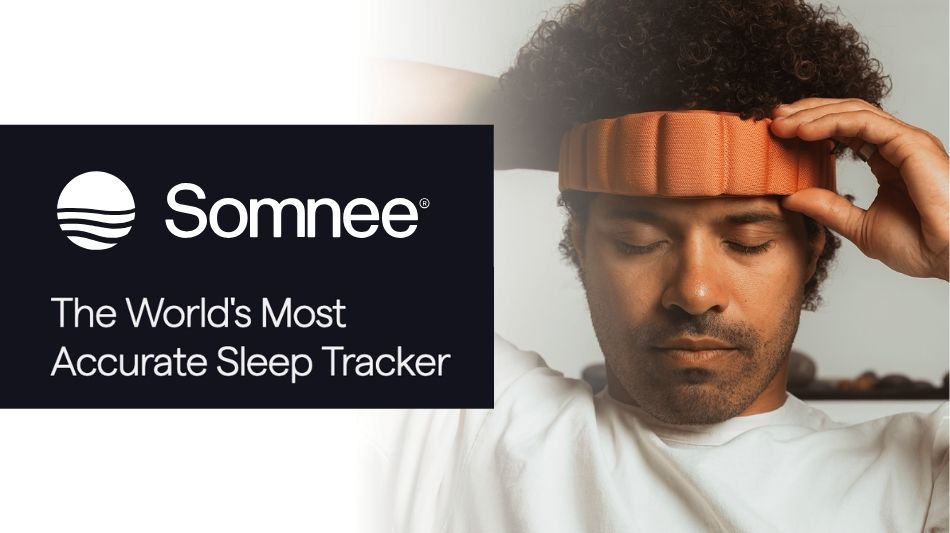
Enter Somnee, a smart sleep headband that takes an entirely different approach. Rather than masking sleep difficulties or simply monitoring them, Somnee aims to address sleep at its source-your brain's electrical activity-using technology called transcranial alternating current stimulation (tACS). According to the company, just 15 minutes of personalized neurostimulation before bed can help you fall asleep faster, stay asleep longer, and wake up more refreshed.
But does the science support these claims? Is the technology actually safe? And most importantly-can a headband really deliver the kind of transformative sleep improvements that its marketing suggests?
See the current Somnee Smart Sleep Headband offer
Disclosure: If you buy through this link, a commission may be earned at no extra cost to you.
This comprehensive review examines everything you need to know about Somnee heading into 2026: the neuroscience behind the technology, what the clinical research actually shows, who this device might help (and who should consider other options), how it compares to alternative sleep solutions, and whether the investment makes sense for your specific situation.
What Is the Somnee Smart Sleep Headband?
Somnee is a wearable sleep device developed by a team of neuroscientists from UC Berkeley, including Dr. Matthew Walker-author of the New York Times bestseller "Why We Sleep" and known for his work on sleep science-and Dr. Robert Knight. The company was founded in 2022 with the mission of applying clinical-grade neuroscience to consumer sleep technology.
At its core, Somnee combines two technologies that have traditionally been confined to sleep laboratories:
Electroencephalogram (EEG+) Sensors: These lab-grade sensors monitor your brain's electrical activity, tracking sleep stages, sleep onset latency, wake periods, and overall sleep quality with a level of precision that, according to the company, far exceeds typical wrist-based or ring-based sleep trackers.
Transcranial Alternating Current Stimulation (tACS): This is where Somnee differs fundamentally from passive sleep trackers. The device delivers gentle, personalized electrical stimulation designed to guide your brain toward optimal sleep patterns. The stimulation uses extremely low currents-imperceptible to most users-timed to synchronize with your brain's natural sleep rhythms.
According to Somnee's published materials, the device learns your individual brain patterns over time through a proprietary system the company calls Somnee SmartSleep AI. During your first several sessions, the system maps your unique neural signatures related to sleep. It then uses this data to personalize the stimulation parameters for subsequent sessions.
The company describes this as a system that adapts based on your brain patterns over time: the EEG sensors monitor your brain activity, the AI analyzes the patterns, and the stimulation adjusts to promote your brain's transition into sleep.
What Is In the Box?
According to the official Somnee website, the Smart Sleep Bundle includes:
Somnee Smart Sleep Headband (available in Coral or Slate)
Medical-grade hydrogel electrodes
Charging base and charging case (USB-C)
Somnee membership (6 months included with purchase)
The membership component is essential to understand before purchasing. According to the company, Somnee operates on a membership model that includes:
Access to the Somnee SmartSleep AI personalization system
Nightly sleep reports and analytics
Regular electrode replacement shipments
Ongoing software updates and feature improvements
Partner perks and discounts
The company states that the 6-month membership included with purchase will convert to an auto-renewing annual paid subscription unless canceled at least 24 hours before the current membership period ends. This is an important consideration when evaluating the total cost of ownership.
The Science Behind Neurostimulation for Sleep
Before evaluating Somnee specifically, it helps to understand the underlying technology. Transcranial alternating current stimulation is not new-it has been studied in research settings for decades. However, Somnee represents one of the first attempts to bring this technology to consumers in a user-friendly form.
How tACS Works
Your brain communicates through electrical signals. When you are awake and alert, your neurons fire rapidly in patterns associated with beta waves. As you relax and prepare for sleep, activity shifts toward slower alpha waves. Deep sleep is characterized by even slower delta waves and specific patterns called sleep spindles.
The theory behind tACS for sleep is straightforward: by delivering gentle electrical currents at frequencies that match desired brain states, you can potentially support the brain's transition toward those states. Think of it as providing a gentle rhythm for your brain to synchronize with-similar to how a metronome helps musicians maintain tempo.
What Does the Research Say?
The scientific literature on tACS for sleep support has grown substantially in recent years. According to a 2025 systematic review examining 43 separate studies, tACS appears to be "safe and moderately effective" for people who struggle with falling asleep, though researchers note that larger long-term trials are still needed.
A 2023 peer-reviewed study published in Frontiers in Human Neuroscience found that personalized tACS-where stimulation parameters are tailored to individual brain patterns-produced better results than fixed-frequency approaches. According to the study, personalized tACS increased sleep duration by 19 minutes and reduced time to fall asleep by 6 minutes compared to fixed-frequency stimulation.
According to Somnee's own published research (a 2025 white paper by Ayanampudi, Krishnan, and Gurumoorthy through StimScience Inc.), the company's clinical testing has shown:
Users falling asleep approximately 50% faster
Reduction in nighttime wake-ups by approximately 33%
Increase in total sleep time by approximately 30 minutes
Improvements in deep sleep quality
The company's marketing materials state that Somnee reports greater improvements in certain sleep metrics compared to melatonin, cognitive behavioral therapy for insomnia (CBT-i), and prescription sleep medications based on its internal research. Specifically, the company states it is approximately 4x more effective than melatonin, 2x more effective than CBT-i, and 1.5x more effective than prescription sleep aids like Ambien in terms of sleep efficiency and duration. These comparisons reflect the company's findings and have not been independently replicated.
Important context: These comparison claims come from Somnee's internal research and marketing materials, including white papers and preprint studies. While the underlying technology (tACS) has independent scientific support, these specific comparative effectiveness claims represent the company's position based on their internal studies and have not been independently replicated by unaffiliated researchers. They should not be interpreted as establishing medical equivalence or superiority.
Safety Considerations
Non-invasive brain stimulation techniques like tACS have been used in research settings for decades with a strong safety profile. According to published research, the most commonly reported side effects are mild and temporary: slight tingling sensation during stimulation, minor skin irritation at electrode sites, and occasional headaches.
According to Somnee's materials, the stimulation levels used are extremely low-typically imperceptible to users. The company states that their technology has been tested in clinical settings, including a 3-year study conducted in their sleep lab near UC Berkeley and an at-home pilot study collecting over 1,500 nights of data.
However, certain populations should exercise caution or consult with healthcare providers before using any neurostimulation device:
Individuals with epilepsy or history of seizures
People with implanted electronic devices (pacemakers, cochlear implants)
Those with metal implants in the head
Pregnant or nursing women
Individuals with skin conditions affecting the forehead
Those taking medications that affect brain activity
This list is not exhaustive. Anyone with health concerns should consult a qualified healthcare provider before using Somnee or any neurostimulation device. This article does not constitute medical advice and is not a replacement for professional medical evaluation.
Check current Somnee pricing and details
Disclosure: If you buy through this link, a commission may be earned at no extra cost to you.
How Somnee Works: The User Experience
Understanding Somnee's technology is one thing; understanding what it is actually like to use is another. Based on the company's published materials and user reviews, here is what the Somnee experience typically looks like:
Initial Setup (Sessions 1-7): The Mapping Phase
When you first start using Somnee, the device enters what the company calls the "Mapping Phase." During these initial sessions, the EEG+ sensors are primarily gathering data about your unique brain patterns related to sleep. The Somnee SmartSleep AI is building what the company describes as a "brainprint"-your individual neural signature for sleep.
During this phase, you will still receive gentle neurostimulation, but it operates at baseline parameters rather than personalized settings. According to the company, some users notice improvements even during this initial mapping phase, though the full benefits typically emerge later.
Personalization Phase (Sessions 8-21)
After gathering sufficient data, Somnee transitions to the Personalization Phase. The SmartSleep AI begins customizing your stimulation parameters based on your specific brain patterns. According to the company's materials, the system continually refines its approach with each session, strengthening your brain's ability to experience higher quality sleep.
The company states that 80% of Somnee users see the biggest shifts in their sleep after 2-3 weeks of consistent use. This timeline is important to understand: Somnee is not designed to work immediately like a sleeping pill. The technology requires consistent use over time to deliver its full benefits.
Adaptive Phase (Session 21+)
After the personalization phase, Somnee enters an ongoing adaptive mode. According to the company, your brain changes day-to-day and through different phases of life. The system continues learning and adapting to your changing brain states, optimizing sessions so that each night builds on previous improvements.
The Nightly Routine
A typical Somnee session follows this pattern:
Pre-Session: You put on the headband and ensure the electrodes have good skin contact. The app provides visual feedback showing connection quality.
15-Minute Session: You begin your nightly neurostimulation session. The device delivers gentle tACS while you can optionally listen to meditative soundscapes through the built-in bone conduction speakers. Many users report feeling relaxed or even falling asleep during the session itself.
Overnight Tracking: According to the company's materials, you can wear Somnee overnight to capture detailed sleep data. Alternatively, if you use a CPAP machine or prefer not to wear it all night, you can remove the headband after the 15-minute session and still receive the sleep benefits.
Morning Report: After charging the device in the morning, the app processes your overnight data and delivers a detailed sleep report within approximately 15 minutes. This includes information about sleep stages, sleep onset, wake periods, sleep efficiency, and other metrics.
DriftBack and Nap Sessions
Somnee includes additional features beyond the primary nightly session:
DriftBack Sessions: If you wake up in the middle of the night, you can press and hold the button on the headband to launch a 10-minute mini-session designed to help you fall back asleep. According to the company, this feature helps users fall back asleep in half the time compared to their baseline.
Nap Sessions: For shift workers or anyone who needs daytime sleep, Somnee offers a Daytime Sleep Mode that adjusts stimulation parameters to account for different circadian conditions.
Phone-Free Operation: The second-generation Somnee headband allows you to launch sessions directly from the device without needing your phone, reducing screen exposure before bed.
Who Somnee May Be Right For
Based on the technology's design, the company's stated use cases, and the patterns that emerge from user experiences, certain profiles appear to align well with what Somnee offers.
Somnee May Align Well With People Who:
Have Difficulty Falling Asleep: If your primary challenge is lying in bed unable to fall asleep-the racing mind, the inability to "turn off"-Somnee's technology specifically targets sleep onset. According to the company's internal research, users fall asleep approximately 50% faster on average.
Experience Frequent Night Wakings: If you fall asleep reasonably well but wake up multiple times during the night, the company's data suggests Somnee may help. Somnee reports approximately 33% reduction in nighttime awakenings among users.
Have Tried Multiple Solutions Without Success: If you have experimented with melatonin, sleep apps, white noise, and various other approaches with limited results, Somnee's fundamentally different mechanism-working directly with brain electrical activity-represents a genuinely novel approach.
Value Data and Personalization: If you appreciate understanding the "why" behind your sleep difficulties and want technology that adapts to you specifically rather than offering generic solutions, Somnee's EEG-based tracking and AI personalization may appeal to you.
Are Willing to Commit to Consistent Use: Somnee is not a quick fix. The technology requires 2-3 weeks of consistent use to reach full personalization. Users who prefer immediate results without a learning curve may find this frustrating.
Want to Avoid or Reduce Sleep Medications: If you currently rely on prescription sleep aids or over-the-counter medications and want to explore non-pharmaceutical sleep support options, Somnee represents a drug-free approach. However, never change or discontinue prescribed medications without consulting your healthcare provider. Somnee is not intended to replace medical care for diagnosed sleep disorders.
Are Comfortable with Technology and Subscription Models: Somnee operates on a membership model and requires regular app interaction. Users who prefer simple, one-time-purchase solutions may find the ongoing costs and technology requirements less appealing.
Other Options May Be Preferable For People Who:
Need Immediate Relief: If you are facing a short-term sleep crisis-jet lag, temporary stress, acute sleep difficulties-and need help tonight rather than in two weeks, Somnee's timeline may not meet your immediate needs.
Have Medical Conditions Requiring Treatment: Somnee is a consumer wellness device, not a medical treatment, and is not intended to diagnose, treat, cure, or prevent any disease. Users with diagnosed sleep disorders should consult healthcare providers. If you have diagnosed sleep disorders like sleep apnea, restless leg syndrome, or narcolepsy, you should work with healthcare providers on appropriate medical treatments. Somnee may potentially complement medical care but should not replace it.
Are Sensitive to Devices on Their Head: Some people simply cannot tolerate wearing anything on their head while sleeping, regardless of comfort design. If you have tried sleep masks or headphones and found them disruptive, Somnee may present similar challenges.
Have Tight Budgets: With an upfront cost plus ongoing membership fees, Somnee represents a significant investment. Other sleep improvements-optimizing sleep hygiene, addressing caffeine intake, establishing consistent schedules-cost nothing and should typically be tried first.
Fall Into Contraindicated Categories: As mentioned earlier, individuals with epilepsy, implanted electronic devices, metal head implants, or certain other conditions should not use neurostimulation devices without medical clearance.
Questions to Ask Yourself
Before choosing Somnee or any sleep solution, consider:
Have I addressed basic sleep hygiene factors first? (consistent schedule, dark room, limited screens before bed, appropriate caffeine intake)
Am I willing to use the device consistently for at least 3 weeks before expecting significant results?
Do I have any health conditions that might contraindicate neurostimulation?
Does the total cost (device plus ongoing membership) fit my budget over time?
Am I comfortable with a technology-based, data-driven approach to sleep?
Your answers help determine which sleep improvement path makes most sense for your specific situation.
Pricing and Purchase Options
According to the official Somnee website (as of December 2025), the Smart Sleep Headband is currently priced at:
$489 (reduced from $549)
This price includes:
Somnee Smart Sleep Headband
Medical-grade hydrogel electrodes
Charging base and charging case (USB-C)
6-month Somnee membership
The company also offers an All-In Pack option at $429 that includes one year of membership, representing approximately 15% savings for those who commit to a full year upfront.
Subscription and Membership Details
The membership component is essential for Somnee to function fully. According to the company, if you cancel your membership, the headband can still collect basic data but stimulation sessions will stop functioning. The company describes the membership cost as approximately "55¢/day" based on their pricing structure.
According to the company's terms, the 6-month membership included with purchase will convert to an auto-renewing annual paid subscription unless canceled at least 24 hours before the current membership period ends. You can cancel your subscription anytime through account settings or by contacting support. Cancellations take effect at the end of the current billing cycle.
Additional Purchase Considerations
HSA/FSA Eligibility: According to the company, Somnee is HSA/FSA eligible, which may allow you to use pre-tax healthcare funds for purchase. The company states you can receive up to 30% back with qualifying health spending accounts. Verify eligibility with your specific plan administrator.
Holiday Shipping: Check current shipping deadlines on Somnee's website to ensure delivery by your desired date.
Extended Returns: According to the website, purchases made during the holiday period can be returned up to January 31st of the next year or 45 days from delivery date, whichever period is longer.
Color Options: The headband is available in Coral and Slate colors.
Pricing Disclaimer: All prices, discounts, and promotional offers mentioned were accurate at the time of publication (December 2025) but are subject to change without notice. Always verify current pricing and terms on the Somnee website before making your purchase.
See current Somnee pricing and bundle options
Disclosure: If you buy through this link, a commission may be earned at no extra cost to you.
How Somnee Compares to Other Sleep Solutions
To provide context for the Somnee investment, it helps to understand how it compares to alternative approaches to sleep improvement.
Somnee vs. Prescription Sleep Medications
Prescription sleep aids like Ambien (zolpidem), Lunesta (eszopiclone), and benzodiazepines work by enhancing GABA activity in the brain, essentially suppressing neural activity to induce sleep.
Prescription medications offer:
Immediate effect (typically works the first night)
Proven effectiveness for short-term use
Insurance coverage in many cases
Potential concerns include:
Dependence and tolerance development
Next-day grogginess and cognitive effects
Rebound sleep difficulties when discontinuing
Not recommended for long-term use
Somnee reports greater improvement in sleep efficiency compared to prescription sleep aids like Ambien by approximately 1.5 times, based on its internal research. This comparison reflects the company's findings and has not been independently replicated. It should not be interpreted as establishing medical equivalence or superiority.
Key distinction: Somnee requires 2-3 weeks for full effect; medications work immediately. Somnee has no chemical dependence risk; medications carry dependence concerns with long-term use.
Somnee vs. Melatonin and Over-the-Counter Sleep Aids
Melatonin supplements attempt to support the body's natural sleep-wake cycle, while antihistamine-based sleep aids (diphenhydramine, doxylamine) cause drowsiness as a side effect.
OTC options offer:
Low cost (typically under $20 per bottle)
Wide availability
No prescription required
Potential concerns include:
Variable effectiveness (especially melatonin)
Tolerance development with antihistamines
Next-day drowsiness
Not addressing underlying sleep difficulties
Somnee reports approximately 4x greater improvement in sleep quality metrics compared to melatonin, based on its internal research. This comparison reflects the company's findings and has not been independently replicated.
Key distinction: OTC options work passively and require nightly dosing; Somnee actively works with brain activity over time with effects that, according to the company, build progressively.
Somnee vs. Cognitive Behavioral Therapy for Insomnia (CBT-i)
CBT-i is considered the gold standard approach for chronic sleep difficulties by sleep medicine professionals. It involves working with a therapist to address thoughts, behaviors, and habits that interfere with sleep.
CBT-i offers:
Strong evidence base with lasting effects
No devices or medications required
Addresses root causes of sleep difficulties
Benefits extend beyond sleep
Potential barriers include:
Requires finding a qualified therapist
Time commitment (typically 6-8 sessions)
Requires behavioral changes
Can be expensive without insurance coverage
Somnee reports approximately 2x greater improvement compared to CBT-i, based on its internal research. This comparison reflects the company's findings and has not been independently replicated. However, the American Academy of Sleep Medicine recommends combining neurostimulation approaches with behavioral changes for maximum benefit-suggesting these approaches may work best together rather than as alternatives.
Somnee vs. Other Sleep Wearables
The sleep wearable market includes devices like Oura Ring, WHOOP, Eight Sleep, and various smartwatches. However, most of these are fundamentally passive tracking devices.
Passive trackers offer:
Sleep stage data and trends
Often less expensive
Sometimes more comfortable (especially rings)
Often include additional health metrics
Limitations include:
They monitor sleep but don't actively improve it
Data accuracy varies, especially for sleep stages
Can create anxiety about sleep scores ("orthosomnia")
Key distinction: Somnee is an active support device, not just a tracker. According to the company, it collects 40 times more sleep data than typical wearables because it measures brain activity directly via EEG rather than inferring sleep states from movement and heart rate.
Somnee vs. Auditory Neuromodulation Devices
Some devices, like the discontinued Dreem headband, use audio tones and pink noise timed to sleep rhythms to potentially enhance deep sleep.
Audio-based approaches:
Non-invasive
Potentially more comfortable
Some research support
Limitations:
Less direct brain interaction than electrical stimulation
Effectiveness varies significantly between individuals
May disturb bed partners
Key distinction: Somnee uses electrical stimulation (tACS) rather than audio, which according to neuroscience research represents a more direct way to influence brain activity patterns.
Somnee vs. Improving Sleep Hygiene
Before investing in any sleep device, consider whether basic sleep hygiene improvements might address your difficulties:
Maintaining consistent sleep and wake times
Creating a dark, cool, quiet sleep environment
Limiting screen exposure before bed
Reducing caffeine intake, especially after noon
Avoiding alcohol close to bedtime
Getting regular exercise (but not too close to bedtime)
Sleep hygiene improvements offer:
Zero cost
No side effects
Foundation for all other sleep improvements
Limitations:
May not be sufficient for significant sleep difficulties
Requires discipline and lifestyle changes
Effects can be gradual
Recommendation: Sleep hygiene optimization should typically be attempted before investing in devices or supplements. If basic sleep hygiene has not resolved your sleep difficulties, then technologies like Somnee may offer additional benefit.
Realistic Expectations: What Somnee Can and Cannot Do
Setting appropriate expectations is essential for any sleep support approach. Based on the company's published research and user experiences, here is a balanced perspective on what Somnee appears capable of:
What Somnee May Help With
Based on the company's clinical claims and the underlying research on tACS technology:
Sleep Onset: The technology specifically targets the transition from wakefulness to sleep. Users who lie awake for extended periods before falling asleep may experience the most noticeable improvement in this area.
Sleep Maintenance: Reducing nighttime awakenings and helping users return to sleep more quickly when awakenings occur.
Sleep Quality: Potentially enhancing time spent in restorative sleep stages, though individual results vary significantly.
Sleep Patterns Over Time: Because the system learns and adapts, consistent users may see progressive improvements rather than static results.
What Somnee Is Not Designed to Address
Medical Sleep Disorders: Conditions like sleep apnea, restless leg syndrome, narcolepsy, and other diagnosed sleep disorders require medical treatment. Somnee is a consumer wellness device, not a medical treatment, and is not intended to diagnose, treat, cure, or prevent any disease. Users with diagnosed sleep disorders should consult healthcare providers.
Underlying Health Conditions: Sleep difficulties caused by chronic pain, depression, anxiety, hormonal imbalances, or other health conditions require addressing the underlying cause.
Lifestyle Factors: Poor sleep caused by shift work, jet lag, caffeine dependence, or alcohol use may not fully respond to neurostimulation if those factors remain unaddressed.
Immediate Crisis Situations: The 2-3 week timeline to full personalization means Somnee is not suited for situations requiring immediate sleep improvement.
Timeline Expectations
According to the company:
Some users notice changes within the first few nights
Most users require 14-21 sessions for full personalization
80% of users report significant improvements after 2-3 weeks of consistent use
However, individual experiences vary widely based on the nature and severity of sleep difficulties, consistency of use, and individual neurological response to stimulation. Not everyone responds the same way to neurostimulation.
A Note on Placebo Effects
Any approach that costs money, requires nightly ritual, and comes with authority backing (UC Berkeley scientists, clinical research) will produce some placebo benefit. This is not a criticism-placebo effects are real physiological responses that can genuinely improve sleep.
The question is whether Somnee's effects exceed placebo response. The company's clinical studies, which included sham-controlled conditions (placebo headbands that participants believed were active), suggest effects beyond placebo. However, as with any self-reported outcome, individual results should be evaluated against your own experience rather than marketing claims.
How to Get Started with Somnee
If you decide Somnee aligns with your sleep improvement goals, here is what the process typically looks like:
Step 1: Purchase
Visit the Somnee website to select your headband color and complete your order. The company offers free shipping on U.S. orders.
Check current shipping deadlines on Somnee's website to ensure holiday delivery.
Step 2: Unboxing and Setup
When your Somnee arrives, you will:
Download the Somnee app (available on iOS and Android)
Create your account
Pair your headband via Bluetooth
Complete the initial onboarding process
The company provides a Get Started Guide and various support resources through their website and app.
Step 3: Begin the Mapping Phase
Your first 7 sessions focus on brain mapping. Use Somnee consistently each night during this period, even if you do not notice immediate changes. The system is gathering the data it needs to personalize your experience.
Step 4: Personalization and Beyond
After the mapping phase, your sessions become increasingly personalized. Continue consistent use and utilize the sleep reports to understand your patterns and progress.
Step 5: Ongoing Use and Adjustment
Somnee is designed for ongoing use. The subscription model includes regular electrode replacements shipped to you, software updates, and continued AI learning and adaptation.
Contact Information
According to the company's website, for questions about Somnee you can:
Email:support@somneesleep.com
Contact Form: Available at somneesleep.com/pages/contact
Social Media: Facebook, Instagram, YouTube
The company offers customer support for product questions, technical issues, and subscription management.
Disclosure: If you buy through this link, a commission may be earned at no extra cost to you.
Frequently Asked Questions
Is Somnee safe to use?
According to the company and published research on tACS technology, non-invasive brain stimulation at the levels used by Somnee has been studied for decades with a strong safety profile. The most commonly reported side effects are mild and temporary, including slight tingling during stimulation and occasional minor skin irritation at electrode sites. However, certain populations should consult healthcare providers before use, including those with epilepsy, implanted electronic devices, metal head implants, or pregnancy. This article does not constitute medical advice-consult your healthcare provider with specific safety concerns.
How much does Somnee cost?
According to the company's website, the Smart Sleep Bundle is currently priced at $489 (reduced from $549), which includes the headband, electrodes, charging accessories, and 6 months of membership. The All-In Pack at $429 includes one year of membership. Ongoing membership fees apply after the included period. Verify current pricing on the Somnee website before purchasing.
Does Somnee really work?
According to the company's internal research, Somnee helps users fall asleep approximately 50% faster, reduces nighttime awakenings by approximately 33%, and increases total sleep time by approximately 30 minutes. The underlying tACS technology has independent scientific support, with a 2025 systematic review finding it "safe and moderately effective." Individual results vary, and not everyone responds the same way to neurostimulation.
How is Somnee different from Oura Ring?
According to the company, Somnee differs in two fundamental ways. First, it actively supports sleep through neurostimulation rather than just tracking it. Second, it measures brain activity directly via EEG rather than inferring sleep states from movement and heart rate, reportedly collecting 40 times more sleep data than typical wearables.
Can you use Somnee with a CPAP machine?
According to the company, yes. You can complete your 15-minute Somnee session before putting on your CPAP, then remove the Somnee headband for sleeping. You will not get overnight sleep tracking data on those nights, but you will still receive the neurostimulation benefits.
How long before Somnee works?
According to the company, some users notice changes within the first few nights, but the technology requires 14-21 sessions (2-3 weeks) for full personalization. The company states that 80% of users see the biggest shifts after 2-3 weeks of consistent use.
Is Somnee better than melatonin?
Somnee reports approximately 4x greater improvement in sleep metrics compared to melatonin, based on its internal research. This comparison reflects the company's findings and has not been independently replicated. The two approaches work differently: melatonin supplements the body's natural hormone, while Somnee uses electrical stimulation to support brain sleep patterns.
What is Somnee's return policy?
According to the company, Somnee offers a 45-day risk-free trial. If you do not love your sleep with Somnee, the company states you can return it for a full refund with return shipping covered, no questions asked. For purchases made during the holiday period, returns are accepted until January 31st or 45 days from delivery, whichever is longer.
What is included in the membership, and what happens if I cancel?
According to the company, membership includes access to SmartSleep AI personalization, nightly sleep reports, regular electrode replacements, software updates, and partner perks. If you cancel membership, the headband can still collect basic data, but stimulation sessions stop functioning. The 6-month membership included with purchase converts to auto-renewing annual subscription unless canceled at least 24 hours before the current period ends.
Is Somnee FDA approved?
Somnee is marketed as a consumer wellness sleep device. It is not described by the company as FDA-cleared or FDA-approved for the treatment of medical conditions. The tACS technology it uses has been studied extensively in research settings. If you have questions about regulatory classification, contact the company directly or consult your healthcare provider.
Who founded Somnee?
Somnee was co-founded by UC Berkeley neuroscientists including Dr. Matthew Walker (author of "Why We Sleep," known for his work on sleep science) and Dr. Robert Knight (Professor of Psychology and Neuroscience at UC Berkeley). Tim Rosa (formerly of Fitbit) leads as CEO.
Does Somnee require a smartphone?
While the Somnee app is required for initial setup, sleep reports, and detailed analytics, the second-generation headband allows phone-free session launching. You can press the button on the headband to start sessions without needing your phone, reducing screen exposure before bed.
Final Verdict: Should You Try Somnee in 2026?
After examining the science, the technology, the user experience, and the practical considerations, here is a balanced assessment:
The Case for Somnee
Somnee represents a genuinely novel approach to consumer sleep technology. Rather than simply tracking poor sleep or masking symptoms with supplements, it aims to address sleep at the neurological level using technology with substantial research backing.
The team behind Somnee brings legitimate credentials-UC Berkeley neuroscientists including Dr. Matthew Walker, whose book "Why We Sleep" has become the definitive popular science exploration of sleep's importance. The company has published research, won multiple technology awards, and partnered with organizations including the NBA.
For people who have struggled with sleep despite trying various solutions, Somnee offers a fundamentally different mechanism that may succeed where other approaches have not. The personalization aspect-learning your individual brain patterns rather than applying generic solutions-addresses a key limitation of one-size-fits-all sleep products.
The 45-day trial period provides meaningful risk mitigation. Since Somnee requires 2-3 weeks to reach full personalization, 45 days gives you sufficient time to evaluate whether it works for your specific situation.
Considerations to Weigh
Cost is a significant factor. The upfront purchase plus ongoing membership fees represent a substantial investment compared to most sleep solutions. While the HSA/FSA eligibility may help offset costs for some buyers, Somnee is positioned as a premium product.
The technology requires commitment. Users who want immediate results or prefer simple one-time purchases may find Somnee's learning curve and subscription model frustrating.
As with any wellness device making performance claims, maintaining appropriate skepticism is reasonable. The company's comparative effectiveness claims (4x more effective than melatonin, 2x more effective than CBT-i, 1.5x more effective than Ambien) come from their internal research and marketing materials. These comparisons reflect the company's findings and have not been independently replicated by unaffiliated researchers.
Important Note: The sleep technology and neuromodulation industry continues to evolve rapidly. Consumers should review the most current information about any product's effectiveness, safety, and regulatory standing before making purchasing decisions.
The Bottom Line
Somnee appears to be a legitimate, well-designed sleep technology product backed by credentialed scientists and substantial research. It may offer meaningful benefits for people struggling with falling asleep, staying asleep, and overall sleep quality-particularly those who have not found success with other approaches.
However, it requires realistic expectations (improvements build over weeks, not overnight), meaningful investment (purchase plus subscription), and consistent use to deliver results. It is not a replacement for addressing basic sleep hygiene, working with healthcare providers on underlying medical conditions, or consulting professionals about significant sleep difficulties.
For the right person-someone with persistent sleep difficulties, willingness to engage with technology-based solutions, budget for the investment, and patience for the personalization period-Somnee may represent a valuable addition to their sleep support toolkit heading into 2026.
Disclosure: If you buy through this link, a commission may be earned at no extra cost to you.
Disclaimers
Editorial Disclaimer: This article is for informational purposes only and does not constitute medical advice, diagnosis, or treatment. The descriptions of potential benefits are based on the company's published research and marketing materials. Somnee is marketed as a consumer wellness sleep device and is not intended to diagnose, treat, cure, or prevent any disease. It is not described by the company as FDA-cleared or FDA-approved for the treatment of medical conditions. Always consult a qualified healthcare professional before starting any new wellness device or sleep support routine, especially if you have existing health conditions or take medications.
Professional Medical Disclaimer: This article is educational and does not constitute medical advice. Somnee is not intended to replace medical care for diagnosed sleep disorders. If you have diagnosed sleep disorders, existing health conditions, are pregnant or nursing, take medications, or have concerns about neurostimulation devices, consult your physician before using Somnee or any similar product. Do not change, adjust, or discontinue any medications or prescribed treatments without your physician's guidance and approval.
Device Safety Disclaimer: Certain populations should not use neurostimulation devices without medical clearance, including those with epilepsy or seizure history, implanted electronic devices (pacemakers, cochlear implants, deep brain stimulators), metal implants in the head, pregnant or nursing women, and those with neurological or skin conditions affecting the forehead area. This list is not exhaustive. Consult your healthcare provider with specific safety questions.
Results May Vary: Individual results will vary based on factors including severity of sleep difficulties, consistency of use, individual neurological response, underlying health conditions, sleep environment, and other variables. While the company reports significant improvements for many users, results are not guaranteed. The 2-3 week timeline for full personalization is an average; some users may require more or less time. Not everyone responds the same way to neurostimulation.
Comparative Claims Notice: Comparative effectiveness claims referenced in this article (such as comparisons to melatonin, CBT-i, and prescription sleep aids) are based on Somnee's internal research, white papers, and preprint studies. These comparisons reflect the company's findings and have not been independently replicated by unaffiliated researchers. They should not be interpreted as establishing medical equivalence or superiority.
FTC Affiliate Disclosure: This article contains affiliate links. If you purchase through these links, a commission may be earned at no additional cost to you. This compensation does not influence the accuracy, neutrality, or integrity of the information presented. All descriptions and opinions are based on publicly available information and the company's published materials.
Pricing Disclaimer: All prices, discounts, promotional offers, and subscription terms mentioned were accurate at the time of publication (December 2025) but are subject to change without notice. Always verify current pricing, terms, and availability on the Somnee website before making your purchase.
Subscription and Auto-Renewal Notice: According to the company, the 6-month membership included with purchase will convert to an auto-renewing annual paid subscription unless canceled at least 24 hours before the current membership period ends. If membership is canceled, the headband can still collect basic data but stimulation sessions will stop functioning. Cancellations take effect at the end of the current billing cycle. Review subscription terms and cancellation policies on the company website before purchasing.
Publisher Responsibility: The publisher of this article has made every effort to ensure accuracy at the time of publication based on publicly available information and the company's published materials. We do not accept responsibility for errors, omissions, or outcomes resulting from the use of the information provided. Readers are encouraged to verify all details directly with Somnee and their healthcare providers before making decisions.
© 2025. All information accurate as of December 2025. Verify current details at somneesleep.com.
SOURCE: Somnee
Source: Somnee