Pilly Labs Chaga Mushroom Complex Highlights Standardized Polysaccharide Content and Quality-First Supplement Formulation
Editorial analysis reviews ingredient sourcing, manufacturing standards, and research context behind modern Chaga mushroom supplementation for general wellness support.
CHICAGO, IL, December 12, 2025 (Newswire.com) - Disclaimer: This article is for informational purposes only and does not constitute medical advice. The statements in this article have not been evaluated by the Food and Drug Administration. This product is not intended to diagnose, treat, cure, or prevent any disease. Always consult a qualified healthcare professional before starting any supplement regimen, especially if you are pregnant, nursing, taking medications, or have a medical condition.
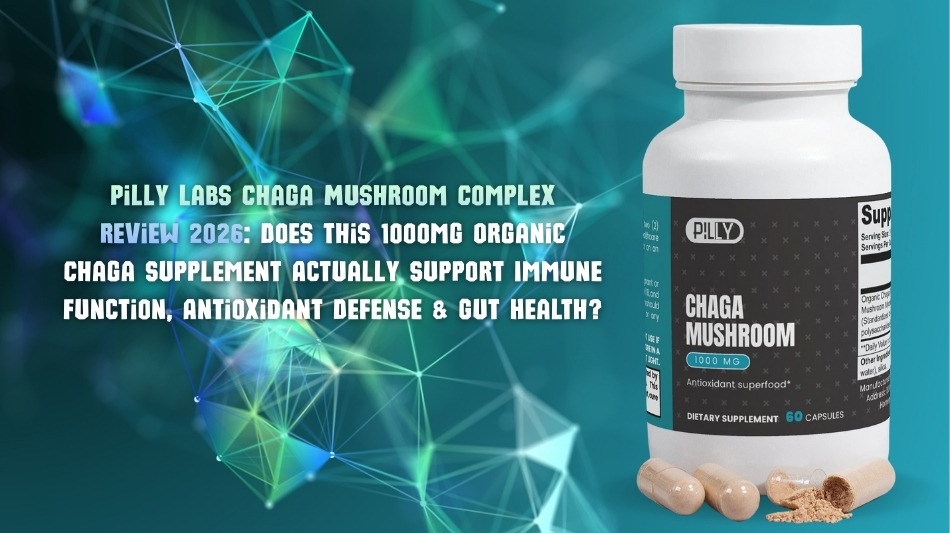
Pilly Labs Chaga Mushroom Complex Review 2026: Does This 1000mg Organic Chaga Supplement Actually Support Immune Function, Antioxidant Defense & Gut Health?
Comprehensive analysis examines the research, formulation science, and manufacturing standards behind Pilly Labs' standardized 40% polysaccharide Chaga supplement
You've heard the buzz about functional mushrooms. Maybe you've seen Chaga trending across wellness communities, biohacking forums, and even mainstream health publications. This traditionally used mushroom is having a moment in 2026 - and for good reason.
But here's the problem: the supplement industry has a serious quality crisis, and Chaga products are no exception.
Walk down any supplement aisle or scroll through Amazon, and you'll find dozens of Chaga products making big promises. Immune support. Antioxidant powerhouse. The claims sound compelling - until you start asking harder questions.
What's actually in these capsules? Is it real Chaga mushroom, or cheap mycelium grown on grain that's mostly starch? Is the formula standardized to contain meaningful amounts of the compounds research has actually studied? Has anyone verified potency, or are you just trusting a label designed by a marketing team?
If you've been burned by supplements that promised everything and delivered nothing, you're not alone. And if you're skeptical about whether any Chaga supplement can actually live up to the research - that skepticism is healthy.
This comprehensive review examines Pilly Labs Chaga Mushroom Complex - a 1000mg organic Chaga supplement standardized to 40% polysaccharides - to help you determine whether the formulation, research backing, and manufacturing standards justify consideration for your wellness routine.
The people who benefit most from functional mushroom supplementation aren't looking for miracles - they're looking for an edge. A way to support what their body is already trying to do. A daily practice that compounds over time.
If that describes you, keep reading. If you're looking for overnight transformation, this probably isn't for you - and we'd rather you know that upfront.
We'll analyze the ingredient research, break down the formulation science, compare delivery formats, and give you the complete picture so you can make an informed decision. No hype. No overselling. Just the facts you need to decide if this is the right fit for you.
Important Note About the Research Discussed Below: Most of the studies summarized in this review were conducted on Chaga extracts in cell cultures or animal models, not on Pilly Labs Chaga Mushroom Complex in humans. This supplement is meant to support general wellness and is not intended to treat or prevent any disease. Individual results vary, and the presence of preclinical research does not guarantee you will experience the same effects.
What You'll Learn in This Review
This isn't a surface-level product overview. We're going deep because the decision to add any supplement to your daily routine deserves serious consideration. Here's what we'll cover:
The Science Foundation
What makes Chaga (Inonotus obliquus) different from other functional mushrooms, the key bioactive compounds and what research has observed in laboratory and animal studies, and why standardization to 40% polysaccharides matters for supplement quality.
The Pilly Labs Formulation
Complete ingredient analysis with research context, manufacturing standards and quality verification, why capsule format was chosen over powder or gummies, and the role of supporting ingredients.
Practical Considerations
Who this supplement may benefit most, who should consider other options, medication interactions and safety considerations, and what to realistically expect from supplementation.
Making Your Decision
How to evaluate whether Chaga supplementation aligns with your goals, red flags to watch for in other Chaga products, and frequently asked questions from real consumers.
Let's start with the foundation: understanding what Chaga actually is and why researchers have been studying it for decades.
Learn More About the Product Specifications and Testing Standards
Understanding Chaga: A Traditionally Used Functional Mushroom
Chaga (Inonotus obliquus) isn't your typical mushroom. You won't find it in the produce section of your grocery store, and it doesn't look like any fungus you've encountered in your kitchen.
This unusual organism grows almost exclusively on birch trees in cold climates - primarily Siberia, Northern Europe, Russia, Korea, Northern Canada, and Alaska. What you harvest isn't technically a mushroom in the traditional sense; it's a dense, hardened mass called a conk that develops over years as the fungus interacts with its host tree.
The conk's appearance is distinctive: a dark, charcoal-like exterior that resembles burnt wood, with bright orange tissue beneath the surface. This isn't winning any beauty contests - but what's inside has captured the attention of traditional medicine practitioners for centuries and modern researchers for decades.
A History of Traditional Use
Long before clinical studies and standardized extracts, people in Northern Europe and Russia were using Chaga as a folk remedy. Historical records document its use dating back to at least the 16th century, though oral traditions suggest even earlier applications.
Traditional practitioners used Chaga preparations for a remarkable range of purposes: digestive support, general vitality, and promoting resilience. In Siberian folk medicine, Chaga tea was a staple - consumed regularly as a general health tonic rather than reserved for acute situations.
What's particularly interesting is that these traditional uses align with some of what modern laboratory research is now investigating. The areas scientists are studying today echo what traditional practitioners observed centuries ago through direct experience - though it's important to note that traditional use does not constitute scientific proof of effectiveness.
Why Chaga Is Different From Other Mushrooms
Several characteristics set Chaga apart from other functional mushrooms like Reishi, Lion's Mane, or Cordyceps:
Unique Growth Environment: Chaga's exclusive relationship with birch trees in harsh, cold climates creates a distinct biochemical profile. The fungus absorbs compounds from the birch bark - including betulin and betulinic acid - that you won't find in mushrooms grown on other substrates.
Exceptional Antioxidant Capacity: Laboratory analyses have reported Chaga ranking remarkably high in antioxidant capacity compared with many other natural foods tested in standard assays. Its combination of polyphenols, melanins, and other antioxidant compounds creates broad-spectrum free radical scavenging activity in laboratory testing.
Multiple Bioactive Compound Classes: Unlike supplements that rely on a single mechanism, Chaga contains several distinct categories of compounds - beta-glucan polysaccharides, triterpenoids, polyphenols, melanins, and more - that researchers are studying for various biological activities.
Adaptogenic Recognition: Chaga is widely recognized in traditional and integrative wellness as an adaptogenic substance - a category describing natural compounds that may help the body maintain balance and respond more effectively to various stressors.
The Bioactive Compounds: What's Actually in Chaga?
Understanding Chaga's potential requires understanding the compounds responsible for its biological activity. This isn't about marketing buzzwords - it's about the actual molecules that researchers have isolated, characterized, and studied in laboratory settings.
Beta-Glucan Polysaccharides
If you learn one thing about Chaga's bioactive profile, let it be this: beta-glucan polysaccharides are central to most of Chaga's researched properties, particularly those related to immune function.
Beta-glucans are complex carbohydrates - long chains of glucose molecules linked in specific configurations that our bodies recognize as biologically significant. They're found in various mushrooms, but Chaga's beta-glucan profile has attracted particular research interest.
In laboratory and animal studies, these compounds appear to function as "biological response modifiers" - substances that may influence how the immune system responds. Rather than simply "boosting" immunity in a generic sense, research in cell and animal models suggests beta-glucans may help modulate immune responses.
This is why standardization matters. When Pilly Labs standardizes their Chaga supplement to contain 40% polysaccharides (400mg per serving), you know exactly how much of these key compounds you're getting. Products that simply list "Chaga mushroom" without specifying polysaccharide content leave you guessing whether there's enough of what matters to make a difference.
Triterpenoids: Betulinic Acid and Inotodiol
Chaga's relationship with birch trees contributes a unique class of compounds: triterpenoids derived partly from the tree's bark.
Betulinic acid has been studied in laboratory settings for various biological activities. While much of this research remains preclinical (cell and animal studies), the compound's activity profile has attracted ongoing scientific interest.
Inotodiol is a triterpenoid specific to Chaga that has been studied in laboratory models for effects on mast cells - immune cells involved in various physiological responses.
These triterpenoids are primarily alcohol-soluble, which is why some researchers advocate for dual-extraction methods (using both water and alcohol) to capture Chaga's full spectrum of compounds.
Polyphenols and Melanins
Chaga's distinctive dark color comes from melanin compounds - the same type of pigment found in human skin. But these melanins aren't just cosmetic; laboratory research indicates they possess biological activity.
Studies have observed that Chaga melanins exhibit antioxidant capacity in laboratory assays, potentially helping to neutralize free radicals. Interestingly, research has also found these melanin compounds may have prebiotic activity in laboratory settings, supporting the growth of beneficial bacteria like Bifidobacteria in culture.
The polyphenols in Chaga contribute additional antioxidant capacity in laboratory testing and have been studied for various biological effects in cell and animal models.
Other Bioactive Constituents
The full picture of Chaga's activity likely involves numerous additional compounds including Ergosterol (a precursor to vitamin D2), SOD or Superoxide Dismutase (an important antioxidant enzyme), and various organic acids with biological activity observed in laboratory studies.
This multi-compound complexity is why whole-mushroom or whole-mycelium preparations - rather than isolated single compounds - may offer advantages. The interactions between multiple constituents could contribute to effects that wouldn't occur with any single compound alone, though this has not been definitively established in human studies.
The Research Foundation: What Laboratory and Animal Studies Have Observed
Now we get to the heart of the matter: what has research observed? The following sections summarize findings from key studies. For each study, we've noted the methodology to help you evaluate the evidence quality.
Critical Context:
The research cited below reflects studies on Chaga mushroom and its compounds, conducted with various formulations and dosages in cell cultures and animal models. Pilly Labs Chaga Mushroom Complex as a finished product has not been independently clinically studied in humans.
Most studies are preclinical. This is typical for functional mushroom research - the field is active but still developing. The presence of promising preclinical research does not guarantee you will experience the same effects from taking a Chaga supplement. Individual results vary based on numerous factors.
With that essential context established, let's examine what researchers have observed.
Immune Function: What Laboratory Research Has Observed
Chaga has been studied for immunomodulatory effects in cell and animal models - meaning researchers have observed it influencing how immune cells function in laboratory settings.
Immune Cell Activity in Laboratory Studies
Research Context: Scientists isolated water-soluble Chaga polysaccharides and tested their effects on mouse immune cells in culture (Fan et al., 2012).
What Was Observed: The Chaga polysaccharide increased the proliferation of lymphocytes (immune cells) and stimulated macrophages to produce cytokines in a dose-dependent manner in these laboratory conditions.
Perspective: These are observations from cell culture studies. Whether the same effects occur in the human body at supplemental doses has not been established through clinical trials.
Immune Balance in Animal Models
Research Context: Researchers studied mice with induced intestinal challenges and administered Chaga polysaccharides (Chen et al., 2019).
What Was Observed: In this animal model, treated mice showed changes in T-cell populations that researchers associated with reduced intestinal response. The Chaga polysaccharides appeared to influence immune balance rather than simply stimulating activity.
Perspective: Animal models provide useful preliminary data but do not directly predict human outcomes. The specific conditions studied in animals are not the same as human health situations.
Human Cell Studies
Research Context: More recently, researchers tested Chaga water extract on human blood immune cells in culture (Cheung et al., 2023).
What Was Observed: Immune cells exposed to Chaga produced cytokine responses - a typical indicator of immune cell activation in laboratory assays.
Perspective: While using human cells provides more relevant data than mouse cells, this remains an in vitro (laboratory) study. How the immune system responds in a living human body involves many additional factors.
The Immune Research Summary
Across multiple laboratory and animal studies, researchers have observed that Chaga polysaccharides can influence immune cell activity. The research suggests these effects relate to modulation (balancing) rather than simple stimulation.
What this may mean for supplementation: The 40% polysaccharide standardization in Pilly Labs Chaga Mushroom Complex ensures you're getting a verified amount of the compounds that researchers have studied for immune-related activity. Whether these laboratory observations translate to meaningful benefits for you specifically cannot be guaranteed and will depend on your individual physiology, health status, and other factors.
Antioxidant Properties: Laboratory Observations
One of Chaga's most well-documented characteristics is its high antioxidant capacity in laboratory testing. Oxidative stress - the accumulation of free radical damage to cells - is an area of ongoing research interest.
Free-Radical Scavenging in Laboratory Assays
Research Context: Early research used chemical antioxidant assays to evaluate Chaga extract's ability to neutralize free radicals (Cui et al., 2005).
What Was Observed: Chaga's phenolics and melanins demonstrated strong free radical scavenging activity in these laboratory tests, comparable to standard antioxidant compounds used as controls.
Cell Protection Studies
Research Context: Researchers tested specific Chaga fractions on human liver cells exposed to oxidative challenge in culture (Gao et al., 2020).
What Was Observed: A Chaga fraction appeared to reduce oxidative damage markers in the cell culture model.
Research Context: Similar studies examined effects on neuronal cells under oxidative stress (Cheung et al., 2023).
What Was Observed: Mouse neuronal cells treated with Chaga extract showed improved survival under oxidative challenge compared to untreated cells in culture.
Prebiotic Activity of Melanins
Research Context: Researchers isolated Chaga's melanin fractions and tested their effects on beneficial bacteria in culture (Burmasova et al., 2019).
What Was Observed: The melanin fractions showed both antioxidant activity and appeared to promote the growth of Bifidobacteria by approximately 40% compared to controls in laboratory conditions.
The Antioxidant Research Summary
Laboratory studies have reported Chaga ranking high in antioxidant assays. Cell culture studies have observed protective effects against oxidative challenges.
What this may mean for supplementation: Antioxidant capacity measured in laboratory assays provides useful information about a substance's chemical properties. However, how these properties translate to benefits in the human body depends on absorption, distribution, and many other factors that laboratory studies don't fully capture. A quality Chaga supplement may contribute to your overall antioxidant intake, but specific outcomes cannot be guaranteed.
Supporting Healthy Inflammatory Response: Research Observations
Researchers have studied Chaga for effects on inflammatory pathways in cell and animal models.
Animal Model Observations
Research Context: Researchers administered Chaga extract to animals with induced inflammatory responses and measured outcomes (Park et al., 2005).
What Was Observed: In these animal models, treated animals showed reduced inflammatory markers compared to controls. The researchers also observed effects they characterized as supporting comfort.
Cellular Mechanism Studies
Research Context: Laboratory studies examined how Chaga affects inflammatory pathways in immune cells (macrophages) in culture.
What Was Observed: Chaga extract appeared to influence several inflammatory pathways in these cell models, including effects on nitric oxide production and various cytokines.
Vascular Studies
Research Context: Using specialized imaging, researchers observed effects in mouse blood vessels under inflammatory challenge (Javed et al., 2019).
What Was Observed: In this model, Chaga-treated animals showed preserved vascular function compared to controls when exposed to inflammatory triggers.
Review Whether Chaga Supplementation Aligns With Your Wellness Goals
The Inflammatory Response Research Summary
Laboratory and animal studies have observed Chaga influencing various inflammatory pathways. The research suggests effects on multiple mechanisms rather than a single pathway.
What this may mean for supplementation: These observations come from controlled laboratory and animal studies. Language like "supports a healthy inflammatory response" reflects what structure/function claims are permitted to say about dietary supplements. Whether you experience noticeable effects depends on many individual factors, and this supplement is not intended to treat any inflammatory condition.
Cellular Health Research: Important Context
Some Chaga research has examined effects on cell growth and cell cycle in laboratory models. This is an active area of scientific investigation, but it requires careful context.
Critical Clarification: Research on cell growth, cell cycles, and related topics in laboratory settings does not mean Chaga supplements are appropriate for any serious health condition. This supplement is not intended to diagnose, treat, cure, or prevent any disease. Individuals with serious health concerns should work directly with qualified healthcare providers and follow evidence-based medical guidance.
Laboratory studies have observed that certain Chaga compounds can affect how cells behave in culture. Scientists continue to investigate these observations, but this research is early-stage and conducted in controlled laboratory conditions that differ significantly from the human body.
The only appropriate takeaway for consumers: Chaga contains compounds that researchers find scientifically interesting. This does not translate to health claims for supplements.
Gut Health: Research Observations
Chaga has been studied for potential effects on digestive wellness through several mechanisms.
Prebiotic Effects
As noted in the antioxidant section, Chaga's melanin compounds demonstrated prebiotic activity in laboratory studies, supporting beneficial bacteria growth in culture conditions.
Gut-Related Observations in Animal Models
In animal studies examining intestinal responses, Chaga polysaccharides were associated with supportive effects on gut tissue in the models studied.
Traditional Use Context
Historical use of Chaga in Northern European and Russian folk medicine included applications for digestive comfort, though traditional use does not constitute scientific proof of effectiveness.
The Gut Health Research Summary
What this may mean for supplementation: The combination of observed prebiotic effects and traditional use for digestive support makes Chaga relevant for those interested in gut health. However, anyone with diagnosed digestive conditions should consult healthcare providers rather than relying on supplements.
Overall Wellness: General Observations
Metabolic Research
Some laboratory research has examined Chaga's effects on metabolic markers in cell and animal models. Scientists have observed effects on certain enzymes involved in carbohydrate metabolism in laboratory assays.
Important clarification: This research does not mean Chaga is appropriate for blood sugar management in humans. Anyone with metabolic health concerns should work with healthcare providers. Supplements are not substitutes for medical care.
Energy and Fatigue Research
Animal studies have examined Chaga's effects on exercise-related markers. In these models, researchers observed effects they associated with endurance and recovery markers.
Perspective: Animal exercise studies provide preliminary data but don't directly predict human experiences. Whether Chaga supplementation affects your energy levels depends on many individual factors.
Safety Considerations
Available research and traditional use suggest Chaga has a generally favorable safety profile at typical supplemental doses. However:
Blood sugar effects: Those taking medications affecting blood sugar should consult healthcare providers
Blood-related effects: Those on anticoagulant medications should exercise caution
Oxalate content: Individuals with kidney concerns should be aware Chaga contains oxalates
Immune modulation: Those with autoimmune conditions should consult healthcare providers
Surgery: Discontinue use at least two weeks before scheduled surgery
Pregnancy/nursing: Insufficient safety data exists; avoid use or consult healthcare providers
As with any supplement, consulting your healthcare provider before starting - especially if you take medications or have health conditions - is advisable.
The Pilly Labs Formulation: Why This Specific Product?
With the research context established, let's examine what makes Pilly Labs Chaga Mushroom Complex a noteworthy option.
The Core Ingredient: 1000mg Organic Chaga Mushroom Mycelium Powder
Each serving (two capsules) delivers 1000mg of organic Chaga mushroom mycelium powder, providing the compounds discussed above.
Why Organic Matters: Organic certification ensures the Chaga was produced without synthetic pesticides, herbicides, or chemical fertilizers. Given that mushrooms can act as bio-accumulators (absorbing substances from their environment), organic sourcing helps minimize contamination risk.
Standardization: 40% Polysaccharides (400mg per Serving)
This is arguably the most important specification to understand.
Many Chaga products simply list "Chaga mushroom" without specifying active compound content. This is like buying coffee labeled "contains coffee beans" without knowing the strength. You have no idea what you're actually getting.
Standardization to 40% polysaccharides means every batch is tested and verified to contain this specific level of the beta-glucan compounds that researchers have studied. You get 400mg of polysaccharides per serving - a verified amount based on testing.
The Capsule: Vegan and Clean
The capsule is made from pullulan (or modified cellulose) - a plant-derived material that provides an alternative to animal-derived gelatin.
Safety Profile: Plant-based capsule materials have been extensively evaluated. They are generally recognized as safe and minimally absorbed by the body.
This matters for vegans and vegetarians seeking plant-based supplements, those with gelatin sensitivities, and anyone wanting clean, minimal formulations.
Silica: Ensuring Consistent Dosing
The small amount of silica serves as an anti-caking agent that prevents the Chaga powder from clumping and ensures each capsule contains an even, accurate dose.
Safety: Silicon dioxide (silica) is Generally Recognized as Safe (GRAS). It is not absorbed into the bloodstream in meaningful amounts - it simply ensures the powder behaves properly in the capsule.
Manufacturing Standards
Pilly Labs works with manufacturing partners in the United States that follow current Good Manufacturing Practices (GMP). This means quality control protocols govern production, consistency and purity standards are maintained, and testing verifies product specifications.
What's NOT in This Formula
No artificial colors, flavors, or preservatives. No gluten (gluten-free). No dairy (lactose-free). No GMO ingredients (Non-GMO). Vegan friendly. No proprietary blends hiding actual ingredient amounts.
Chaga Capsules vs. Powder vs. Gummies: Format Comparison
Capsules (Like Pilly Labs Chaga)
Advantages: Precise dosing with each capsule, convenience and portability, no taste (Chaga has a bitter, earthy flavor), higher potency possible, easier to standardize.
Considerations: Some people have difficulty swallowing capsules.
Loose Powders
Advantages: Versatility for adding to beverages or food, dosing flexibility, often more economical per serving.
Considerations: Challenging taste to mask, less precise dosing, less convenient.
Gummies
Advantages: Palatable taste, appealing for those who dislike capsules.
Considerations: Lower potency due to format constraints, added sugars/sweeteners typically required, harder to standardize precisely.
Why Pilly Labs Chose Capsules
For a supplement focused on delivering meaningful amounts of standardized Chaga polysaccharides, capsules provide an optimal combination of potency (1000mg per serving), standardization (verified 40% polysaccharides), and convenience - which is why Pilly Labs chose this format.
If you prefer gummies and want multi-mushroom support, Pilly Labs offers Mushroom Gummies with a 10-mushroom blend including Chaga. Learn more about choosing between these formats: Mushroom Gummies vs. Chaga Mushrooms: Which Is Right for You?
Who May Find This Supplement Relevant
Based on the research areas and traditional use patterns, certain individuals may find Chaga supplementation worth exploring:
Those Interested in Immune Support
If you're looking for supplements that have been studied for immune-related properties, Chaga's polysaccharides have attracted research attention in this area.
Those Interested in Antioxidant Support
Chaga's high antioxidant capacity observed in laboratory testing makes it relevant for those focused on antioxidant intake.
Those Who Prefer Single-Ingredient Supplements
If you want to explore what Chaga specifically offers - without the variables introduced by multi-ingredient formulas - a focused Chaga supplement makes sense.
Those Who Value Standardized Potency
If knowing exactly what's in your supplement matters to you, the 40% polysaccharide standardization provides that verification.
Those Experiencing Daily Stress on Their System
If you're navigating a demanding lifestyle - whether from work pressure, physical training, family responsibilities, or environmental factors - and you're looking for traditional wellness support that's been used for centuries in harsh climates, Chaga's adaptogenic reputation may resonate with your goals.
Those Building a Proactive Wellness Foundation
If you believe in supporting your body's natural functions before issues arise - rather than waiting for problems - Chaga's traditional use as a daily wellness tonic aligns with that preventive philosophy.
Who Should Consider Other Options
Those Who Prefer Gummy Format
If you won't take capsules consistently, consider Pilly Labs Mushroom Gummies if you prefer gummy format.
Those Seeking Immediate Effects
Adaptogens and functional mushrooms typically work gradually. If you're expecting overnight transformation, you may be disappointed. Consistent use over weeks is typically needed to evaluate any supplement.
Those with Medical Conditions
If you have diagnosed health conditions, work with healthcare providers. Supplements are not substitutes for medical care.
Those on Certain Medications
If you take blood thinners, medications affecting blood sugar, immunosuppressants, or other prescription medications - consult your healthcare provider before adding any supplement.
How to Use Pilly Labs Chaga Mushroom Complex
Dosage
Suggested Use: Take two (2) capsules daily, or as directed by your healthcare professional.
This delivers 1000mg total Chaga mushroom mycelium powder and 400mg polysaccharides (40% standardization).
Timing
Can be taken with food or on an empty stomach. Consistency matters more than specific timing.
What to Realistically Expect
Weeks 1-4: You're establishing consistent use. Don't expect dramatic changes.
Weeks 4-8: Some users begin noticing subtle shifts. Individual variation is significant.
Months 2-3+: Those who notice benefits typically report them becoming more apparent with continued use.
Important: Many users may not notice obvious changes, and that's normal. Supplements work subtly and individually. The absence of noticeable effects doesn't necessarily mean nothing is happening, but it also doesn't guarantee benefits are occurring.
Frequently Asked Questions
What makes Chaga different from other mushroom supplements?
Chaga (Inonotus obliquus) has a unique biochemical profile shaped by its growth on birch trees in cold climates. It contains compounds from birch bark not found in other mushrooms and ranks high in antioxidant laboratory assays.
Why does standardization to 40% polysaccharides matter?
Without standardization, you're hoping your supplement contains meaningful amounts of active compounds. Standardization provides verification of what's actually in the product.
How long before I might notice benefits?
Functional mushroom supplements typically require consistent use over 4-8 weeks or longer before users can evaluate their individual response. Some users never notice obvious changes, which is normal.
Can I take Chaga with other supplements?
Chaga pairs well with most supplement routines. If you take prescription medications, consult your healthcare provider before adding any supplement.
Are there any side effects?
Available research and traditional use suggest Chaga has a favorable safety profile. Occasional mild digestive responses have been reported. Those with kidney concerns, on blood-thinning medications, or with other health conditions should consult healthcare providers.
Is Pilly Labs Chaga organic?
Yes. The formula uses certified organic Chaga mushroom mycelium powder.
Where is this manufactured?
Pilly Labs works with manufacturing partners in the United States that follow current Good Manufacturing Practices (GMP).
Can I take Chaga if I have an autoimmune condition?
Because Chaga has been studied for immune-modulating (not just immune-boosting) properties, those with autoimmune conditions should consult their healthcare provider before use.
What if I don't notice any benefits?
Individual responses to supplements vary significantly. Some people notice effects; many don't notice obvious changes. Supplements work subtly and aren't guaranteed to produce noticeable results for everyone.
Extended Frequently Asked Questions
Is Chaga better than Reishi or Lion's Mane?
"Better" depends entirely on your goals. Each functional mushroom has a distinct research profile:
Chaga has been studied primarily for antioxidant capacity and immune-modulating properties in laboratory settings. Its traditional use centers on general vitality and resilience.
Reishi has been studied for relaxation, sleep support, and immune function. Traditional use emphasizes calm and longevity.
Lion's Mane has attracted research interest for cognitive function and nerve-related properties. Traditional use focuses on mental clarity.
Many wellness practitioners suggest these mushrooms complement rather than compete with each other. If you want comprehensive multi-mushroom support, Pilly Labs Mushroom Gummies combines ten functional mushrooms including Chaga, Reishi, and Lion's Mane in one formula.
For a detailed comparison of these formats and which might suit your goals, see: Mushroom Gummies vs. Chaga Mushrooms: Complete Comparison Guide
What should I look for when buying a Chaga supplement?
Five factors that separate quality Chaga from questionable products:
First, standardized polysaccharide content - if a label just says "Chaga mushroom" without specifying active compound levels, you're guessing at potency.
Second, organic certification - mushrooms can absorb contaminants from their environment, and organic sourcing reduces this risk.
Third, clear sourcing information - reputable brands disclose whether they use fruiting body, mycelium, or both, and where it's sourced.
Fourth, third-party testing - independent verification of potency and purity provides accountability beyond the brand's own claims.
Fifth, transparent labeling - no "proprietary blends" hiding actual ingredient amounts.
Can I take Chaga while pregnant or breastfeeding?
There is insufficient safety data on Chaga supplementation during pregnancy or breastfeeding. Most healthcare providers recommend avoiding supplements without established safety profiles during these periods. If you're pregnant, nursing, or planning to become pregnant, consult your healthcare provider before taking any supplement, including Chaga.
Does Chaga interact with medications?
Potential interactions to discuss with your healthcare provider include blood thinners (warfarin, aspirin, etc.) as some research suggests Chaga may have effects on blood clotting factors, diabetes medications since Chaga has been studied for effects on blood sugar in animal models, immunosuppressants because Chaga's immune-modulating properties could potentially interact with drugs designed to suppress immune function, and medications metabolized by the liver. This is not a complete list. Always inform your healthcare provider about all supplements you take.
How long does it take for Chaga to work?
Functional mushroom supplements typically work gradually rather than producing immediate effects. During weeks 1-4, you're establishing consistent daily use and shouldn't expect noticeable changes. During weeks 4-8, some users begin noticing subtle shifts, though individual variation is significant. At months 2-3 and beyond, those who notice benefits typically report them becoming more apparent with continued use.
Important reality check: Many users never notice obvious subjective changes, and that's a normal outcome.
Is Pilly Labs Chaga third-party tested?
Pilly Labs works with manufacturing partners that conduct quality testing as part of GMP (Good Manufacturing Practice) protocols. This includes verification of ingredient identity, potency, and purity. For specific Certificate of Analysis requests, contact Pilly Labs customer support.
What is the shelf life of Pilly Labs Chaga capsules?
When stored properly (cool, dry place away from direct sunlight), Pilly Labs Chaga Mushroom Complex maintains potency through the expiration date printed on the bottle.
Can Chaga help lower cholesterol?
Some laboratory and animal studies have examined Chaga's effects on lipid markers, but this research is preclinical and doesn't translate to recommendations for human cholesterol management. If you have cholesterol concerns, work with your healthcare provider on evidence-based approaches.
Is Chaga good for skin health?
Chaga's antioxidant properties have attracted interest in the skincare space. The connection between oral Chaga supplementation and skin health is less established. Antioxidant support in general is associated with cellular health, which theoretically includes skin cells - but specific skin benefits from oral Chaga supplementation haven't been demonstrated in human studies.
Why is Chaga so expensive compared to other supplements?
Several factors affect Chaga pricing: slow growth (wild Chaga takes years to develop on birch trees), harvesting challenges (cold climate collection in remote areas), processing requirements (proper extraction to concentrate bioactive compounds), organic certification, and standardization testing. Cheaper Chaga products often cut corners on sourcing, standardization, or testing.
What's the difference between Pilly Labs Chaga capsules and Pilly Labs Mushroom Gummies?
Chaga Mushroom Complex focuses on a single mushroom (Chaga only), comes in capsule format, provides 1000mg Chaga per serving, offers 40% polysaccharide standardization, and is best for those wanting concentrated Chaga specifically.
Mushroom Gummies provides multi-mushroom support (10 varieties), comes in gummy format, includes Chaga as part of a blend at a lower individual dose, offers blend standardization, and is best for those wanting broad mushroom support.
The Bottom Line
What the Research Shows:
Chaga mushroom contains multiple classes of bioactive compounds that have been studied in cell and animal models. Researchers have observed various biological activities in laboratory settings. Traditional use spanning centuries adds historical context, though it does not constitute scientific proof.
What This Product Offers:
Pilly Labs Chaga Mushroom Complex provides a 1000mg dose of organic Chaga mushroom mycelium powder standardized to 40% polysaccharides - meaning verified amounts of the compounds researchers have studied. Clean formulation, USA manufacturing under GMP standards, and transparent labeling provide quality assurance.
What We Cannot Promise:
Individual responses to any supplement vary based on numerous factors. Most Chaga research is preclinical, and this specific product has not been clinically studied in humans. This supplement is not intended to diagnose, treat, cure, or prevent any disease.
What You Can Expect:
If Chaga supplementation is appropriate for your situation, consistent use over 8-12 weeks provides a reasonable timeframe to evaluate whether you personally notice any benefits. Many users don't notice obvious changes, and that's a normal outcome.
The Decision Is Yours:
We've provided the research context, formulation details, and honest assessment. The goal is to give you information to make your own decision - not to convince everyone to buy this product.
How to Order
Pilly Labs Chaga Mushroom Complex is available through the official Pilly Labs website: Visit the Official Pilly Labs Website
Questions?
Contact Information
Company: Pilly Labs
Email: support@pillylabs.com
Related Products:
Disclaimers
FDA Disclaimer: These statements have not been evaluated by the Food and Drug Administration. This product is not intended to diagnose, treat, cure, or prevent any disease.
Medical Disclaimer: The information provided in this article is for informational purposes only and is not intended as medical advice. Always consult with a qualified healthcare professional before starting any supplement regimen, especially if you are pregnant, nursing, taking medications, or have a medical condition. Do not use this information as a substitute for professional medical advice, diagnosis, or treatment.
Research Disclaimer: The studies cited in this article were conducted on Chaga mushroom and its compounds using cell cultures and animal models with various formulations and dosages. Pilly Labs Chaga Mushroom Complex as a finished product has not been independently clinically studied in humans. Individual results vary.
Individual Results Disclaimer: Individual results may vary significantly. The testimonials and examples referenced are not intended to guarantee that anyone will achieve the same results. Many supplement users do not notice obvious effects.
Pricing Disclaimer: Prices, promotions, and product availability are subject to change without notice. Please verify current pricing and availability on the official Pilly Labs website before ordering.
Publisher Disclaimer: This content is for informational purposes only. The publisher does not endorse any specific product and makes no claims regarding the efficacy of any supplement.
SOURCE: Pilly Labs
Source: Pilly Labs