Keeps TRT Reviews 2026: What Men Should Know About Online Testosterone Replacement Therapy, Pricing, Labs, and Safety
A Complete 2026 Breakdown: Clinician-Prescribed Online TRT, Pricing Conflicts, $49 Lab Start, DEA Telehealth Window, FDA Regulatory Developments, Safety Disclosures, and What to Confirm Before You Enroll
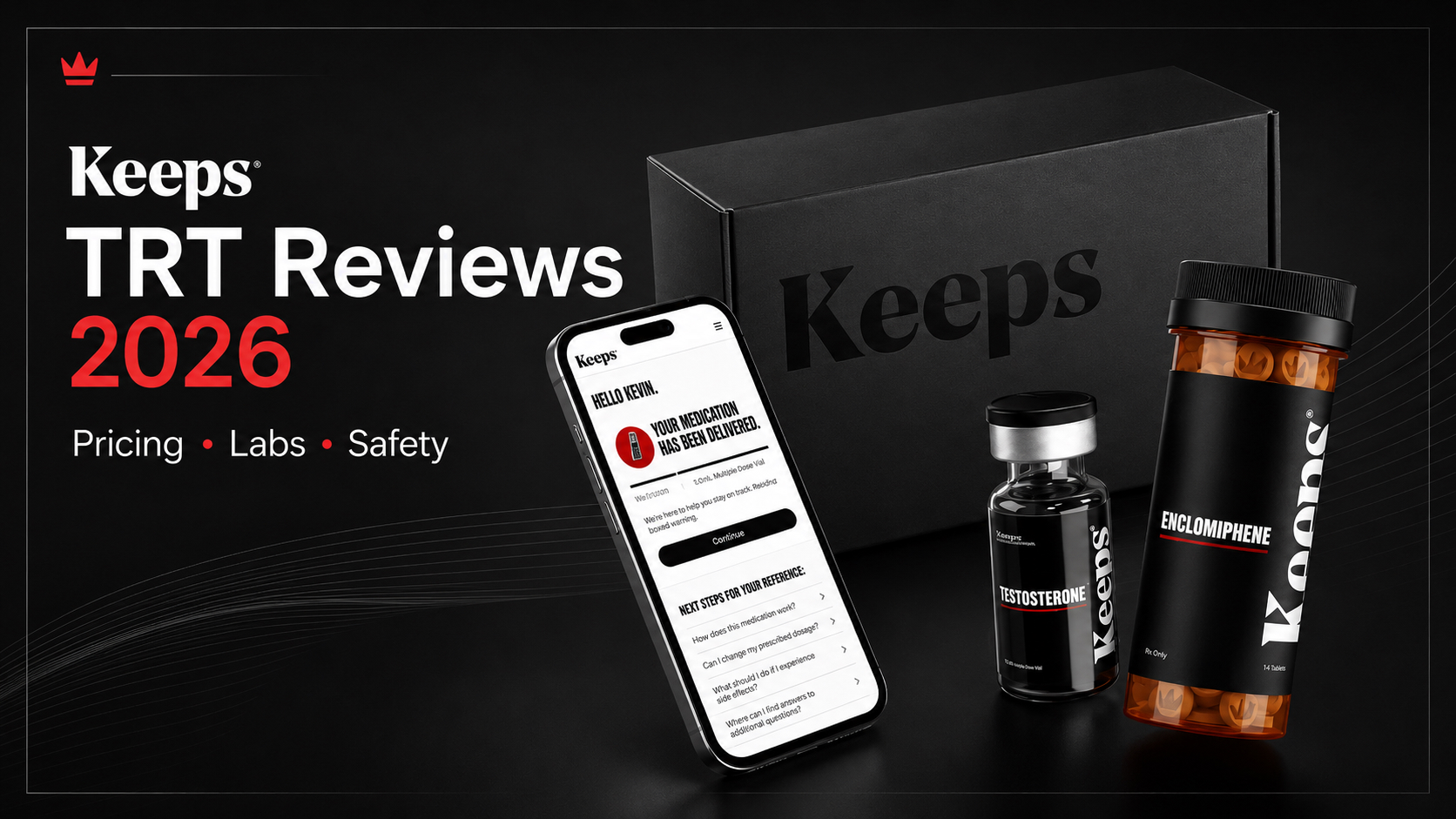
NEW YORK, May 15, 2026 (Newswire.com) - Advertorial Disclosure: This article is sponsored advertorial content. This article contains affiliate links. A commission may be earned on qualifying purchases made through links in this content, at no additional cost to the reader. Affiliate relationships do not influence editorial content or the evaluation of products or services. Disclosure is provided in accordance with FTC 16 CFR Part 255. The statements in this article have not been evaluated by the Food and Drug Administration. Products and services discussed are not intended to diagnose, treat, cure, or prevent any disease. Information provided is for general informational purposes and does not constitute medical advice. Readers experiencing symptoms or considering changes to health regimens should consult a licensed healthcare professional before making any decisions. Individual results vary.
TL;DR: Keeps TRT is an online testosterone replacement therapy platform operating through jointitan.com and Titan Meds Platform LLC. It offers clinician-prescribed injectable TRT, oral TRT, and enclomiphene - with a published $49 starting point for the initial lab panel and clinician consultation. Treatment requires lab testing and licensed clinician review before any prescription is written. Ongoing membership is month-to-month with no long-term contracts. Pricing conflicts exist across the brand's published materials and should be confirmed before enrolling. Enclomiphene is off-label and not FDA-approved. Medications are compounded and have not been FDA-reviewed for quality, safety, or effectiveness per the brand's own disclosures. Telehealth prescribing of testosterone - a Schedule III controlled substance - is governed by a DEA and HHS telehealth flexibility window running through December 31, 2026, while permanent rules are finalized; state availability varies and should be confirmed before enrolling. Separately, the FDA published a Federal Register notice in April 2026 signaling new interest in TRT indications for low libido - the regulatory landscape around testosterone therapy is actively shifting. Individual results vary. This is not medical advice.
View the current Keeps TRT offer (official Titan page)
Why Men Are Researching Online TRT Right Now - And Why 2026 Is a Specific Moment to Pay Attention
Three things are happening simultaneously in 2026 that make this a particularly meaningful time to research online testosterone replacement therapy, and all three are based on verifiable regulatory and clinical developments.
First, the DEA and HHS telehealth flexibility window that allows online prescribing of testosterone - a Schedule III controlled substance - without a mandatory prior in-person visit is currently extended through December 31, 2026, while permanent rules are finalized. What permanent rules will require is not yet settled. Men who want access to telehealth TRT in its current form are operating inside a defined window.
Second, the FDA published a Federal Register notice in April 2026 acknowledging that published literature suggests TRT may be safe and effective for treating low libido in men with idiopathic hypogonadism - and invited NDA holders to contact the FDA about seeking formal approval for that indication. That is a meaningful regulatory signal in a category that has historically operated with limited FDA engagement on the indication question. It does not change what Keeps TRT offers today, but it signals that the category is under active regulatory review.
Third, men who have been dismissed or undertreated by primary care providers for low testosterone symptoms are increasingly finding that specialized telehealth platforms offer a structured, lab-guided alternative. The question is which platforms deliver on that promise and which ones cut corners. That is what this review is designed to help answer.
None of this is pressure to enroll in anything. It is context for why this category is drawing serious attention in 2026, and why the details - pricing, lab requirements, compounded medication status, state availability, refund terms - matter more than they ever have.
What This Keeps TRT Review Covers
This Keeps TRT review is an informational advertorial based on brand-published materials, platform disclosures, treatment descriptions, pricing information, safety language, and available telehealth terms. It is not based on clinical trials, independent lab testing, or verified patient outcomes. The goal is to give the reader a clear, honest picture of what Keeps TRT is, how the process works, what it costs, who it may be appropriate for, and what questions to ask before deciding to enroll.
If you have been experiencing low energy, reduced sex drive, difficulty building muscle, brain fog, or mood changes - and you have wondered whether testosterone levels might be a factor - this review covers what the brand says about its process, what the brand's materials say about TRT, what safety context readers should understand, and what a clinician would need to evaluate before recommending any treatment. It also surfaces every pricing discrepancy, safety disclosure, and off-label status detail found in the brand's own published materials, because that information is part of making an informed decision.
What Is Keeps TRT?
Keeps TRT is the consumer-facing brand for an online testosterone replacement therapy platform accessible at jointitan.com. According to the brand's published materials, the platform is designed to give men a fully online pathway to clinician-prescribed testosterone therapy - covering the lab work, the clinician consultation, the prescription if approved, and the ongoing monitoring and refill cycle that responsible hormone therapy requires.
The brand describes itself as a solution for men who are dealing with the kinds of symptoms that can come with declining testosterone levels - things like persistent fatigue, reduced libido, difficulty with body composition, brain fog, and low motivation. According to the company, testosterone levels can begin declining as early as a man's 30s, and those changes can affect energy, focus, muscle, and sex drive in ways that significantly affect quality of life.
What matters here is how Keeps TRT positions itself differently from walking into a primary care office: the entire process is online, from labs to prescription to delivery, and the clinicians on the platform specialize specifically in men's hormone optimization rather than general medicine. Whether that model is the right fit depends on individual circumstances, health history, and what a licensed clinician determines after reviewing actual lab results - which is the only way treatment gets prescribed through this platform.
Keeps TRT At a Glance - Key Facts From Brand-Published Materials
Platform: Keeps TRT, operated by Titan Meds Platform LLC via jointitan.com
Entry Cost: $49 - covers initial lab panel, clinician consultation, and personalized plan
Monthly Cost: Pricing conflict exists in brand materials - confirm directly before enrolling
Treatment Options: Injectable TRT, Oral TRT (ODTs), Enclomiphene (off-label, not FDA-approved)
Supplemental Medication: Anastrozole may be discussed if estrogen levels warrant - clinician-determined
Lab Requirement: Required before every prescription and every refill - no labs, no prescription
Lab Partners: LabCorp, Quest Diagnostics, BioReference (at-home kit available if no partner lab within 50 miles)
Clinician Access: Unlimited, included in membership
Billing Cycle: Every 28 days, month-to-month, no long-term contract
Insurance: Not accepted - cash pay only
Refund Policy: Non-refundable once prescription is written and in fulfillment
Fertility Impact: TRT may impair fertility - disclosed in brand materials - enclomiphene is the stated fertility-friendly alternative
FDA Status: Medications are compounded and have not been FDA-reviewed for quality, safety, or effectiveness
Enclomiphene Status: Off-label, not FDA-approved for male hypogonadism
State Availability: All 50 states + DC - TRT may not be available in every state per telemedicine laws
Telehealth Regulatory Window: DEA/HHS flexibility extended through December 31, 2026 - confirm state availability before enrolling
Contact: support@jointitan.com | 1 (551) 209-3340 | 8am-8pm EST daily
View the current Keeps TRT offer (official Titan page)
Who Operates Keeps TRT and What Role Does Titan Play?
The entity behind jointitan.com is Titan Meds Platform LLC, a Delaware limited liability company. Titan handles the administrative and logistics layer of the platform - the website, the member portal, the billing, and the coordination of services. Titan itself does not practice medicine and does not prescribe treatment.
Actual clinical services - the consultations, the prescriptions, the medical decisions - are delivered by a network of licensed Professional Entities that Titan facilitates access to. Per the brand's published Terms and Conditions, these include organizations such as OpenLoop Healthcare Partners, REZILIENT OLH, JMP Medical, and affiliated licensed groups operating across multiple states. These are the licensed medical groups whose clinicians review your labs and determine whether treatment is medically appropriate.
This structure is standard for direct-to-consumer telehealth platforms and is worth understanding: the brand you are enrolling with is Titan, but the clinician who reviews your case and writes any prescription is part of one of those affiliated licensed Professional Entities. The platform is available in all 50 states plus the District of Columbia, though the brand notes that TRT availability may vary by state in accordance with applicable telemedicine laws.
The 2026 DEA Telehealth Window, the April FDA Signal, and What Both Mean Before You Enroll
If you are researching online testosterone replacement therapy in 2026, there is a regulatory context that affects every telehealth TRT platform operating right now, including Keeps TRT. Testosterone is a Schedule III controlled substance under federal law. That means telehealth prescribing of testosterone is subject to both federal DEA rules and state-specific regulations - and those rules have been actively shifting since pandemic-era telehealth flexibilities began to expire.
Here is where things stand as of 2026: HHS and the DEA extended telemedicine prescribing flexibilities for controlled substances - including testosterone - through December 31, 2026, while permanent rules are finalized. This means that, for now, clinicians operating through platforms like Keeps TRT can prescribe testosterone via telehealth in eligible states without a mandatory prior in-person visit, subject to clinical and compliance requirements. What happens after December 31, 2026 is not yet settled. Permanent rules could require in-person visits before telehealth testosterone is prescribed, narrow geographic availability, or change monitoring requirements. The direction of regulatory travel in this space has historically been toward tighter requirements, not looser ones.
Separately, in April 2026, the FDA published a Federal Register notice stating that its preliminary review of published literature suggests TRT may be safe and effective for treating low libido in men with idiopathic hypogonadism - and invited interested parties to contact the FDA about seeking formal approval for that indication. This does not change what is available through Keeps TRT today. But it signals that the regulatory and clinical landscape around testosterone therapy is in active development, and men researching TRT in 2026 are doing so at a meaningful inflection point in both access and oversight.
The practical takeaway: do not assume availability based only on national marketing language. Confirm current state availability, clinician eligibility requirements, lab requirements, and prescription rules directly with the platform before completing intake or paying for anything.
How the Keeps TRT Online TRT Process Works
Keeps TRT is positioned as a 100% online, clinician-prescribed pathway where lab results, symptoms, and treatment goals are reviewed before any medication is prescribed. The brand describes the process in three steps.
First, new members complete lab testing - either at a nearby LabCorp, Quest Diagnostics, or BioReference location, or via at-home test kit if no partner lab is accessible within 50 miles. The brand states that lab costs are included in the membership. The lab panel covers 12-plus key biomarkers including free testosterone, FSH, LH, estradiol, AST, ALT, prolactin, PSA, hematocrit, SHBG, and albumin, per published materials.
Second, once lab results are in, the member schedules a video appointment with a Titan clinician via Doxy, described as a HIPAA-compliant telehealth platform. The clinician reviews the results alongside the member's symptoms and treatment goals, and determines whether treatment is appropriate. The brand notes the process can move quickly - the company states therapy may begin in as little as five days from enrollment for eligible members.
Third, if treatment is approved, the brand states medication may be shipped directly to the patient's door with free shipping and discreet packaging, along with ongoing follow-ups and adjustments included. The first shipment covers an 8-week supply. Renewal shipments cover 12 weeks. Updated labs are required before each prescription refill or dosage change - the platform is explicit about this: no labs, no prescription.
Ongoing care follows what the brand calls the Titan Renewal cycle, with the first renewal form becoming available 28 days after the initial prescription. Short follow-up clinician visits - typically around 15 minutes per published member materials - keep treatment on track. Clinician access is described as unlimited as part of the membership.
Why Labs Matter Before Testosterone Therapy
Lab testing is not just a box to check on the way to a prescription - it is the foundation of responsible hormone therapy. Before any treatment is considered, a clinician needs to know where your levels actually are, and more importantly, what else is going on in your body that might affect whether TRT is appropriate or safe for you.
According to Titan's published materials, the lab panel may include free testosterone, FSH, LH, estradiol, AST, ALT, prolactin, PSA, hematocrit, SHBG, and albumin. These markers help clinicians evaluate testosterone status, hormone signaling, liver-related markers, prostate-related screening context, red blood cell concentration, and other factors relevant to treatment decisions - not just whether your testosterone number falls in a range, but whether the full picture supports treatment and whether there are any clinical flags that need to be addressed first.
This is why the brand's position on "normal range" testosterone is worth understanding carefully. The brand's materials address men who have been told their testosterone level falls within a general reference range while still experiencing symptoms. According to Titan's published FAQ, the general reference range runs roughly from 156 to 1,200 ng/dL - a wide band. The platform considers both lab values and symptoms during clinician review, rather than relying only on a single number. Whether that approach is appropriate for any specific individual is a clinical determination, not a marketing one.
Important Safety Context Before Considering TRT
Testosterone replacement therapy is a prescription treatment that requires medical evaluation and ongoing monitoring. This section belongs near the top of any honest review of a TRT platform, and it is here for a reason.
Titan's published safety materials identify a range of side effects and risks associated with testosterone therapy. Common side effects described in the brand's published materials include acne, oily skin, increased hair growth, gynecomastia, and mood changes. More significant potential effects include hypertension, polycythemia (an increase in hematocrit/red blood cell count), liver dysfunction, reduced sperm production, testicular atrophy, sleep apnea worsening, edema, and changes related to elevated estradiol levels.
The brand also states that testosterone therapy may affect fertility. This is not a minor footnote - for men who want to have children, TRT can suppress natural sperm production through a hormonal feedback mechanism that reduces LH and FSH production. The brand's published footer explicitly states that testosterone replacement therapy may impair fertility. Men for whom fertility matters should discuss this directly with a clinician and consider whether enclomiphene - the platform's stated fertility-friendly alternative - is more appropriate for their situation.
The brand's published contraindications for testosterone therapy include known or suspected prostate cancer or breast cancer in men, pregnancy or breastfeeding, hypersensitivity to testosterone or formulation components, serious cardiac, hepatic, or renal disease, elevated hematocrit above 54%, and untreated or uncontrolled sleep apnea. These are not suggestions - they are clinical exclusion criteria that a licensed clinician must evaluate before any prescription is appropriate.
Additionally, per the brand's own published disclosures, medications prescribed through Keeps-affiliated providers have not been reviewed or approved by the FDA for quality, safety, or effectiveness. This language reflects the compounded nature of the medications dispensed through the platform - standard for direct-to-consumer telehealth hormone clinics but something every reader should understand before enrolling.
For any topical testosterone formulations, the brand's published safety materials note that testosterone can transfer to other people through direct skin contact and can also be transferred by vaporization for four to six hours after application. Direct contact with small children should be avoided after topical application. Readers using any topical formulation should review the brand's full safety guidance and discuss transference precautions with their treating clinician.
Readers should consult a qualified healthcare professional before considering TRT or any hormone-related treatment. Telehealth is not appropriate for all medical situations and does not replace emergency care or in-person evaluation when clinically warranted. For medical emergencies, call 911 or proceed to the nearest emergency room.
Keeps TRT Treatment Options Explained
The brand describes three primary treatment pathways, each suited to different clinical situations and personal preferences. All require clinician review and prescription - none are available without going through the lab and consultation process first.
Injectable TRT
Injectable testosterone is the most common form of TRT and the method the brand primarily leads with. According to Titan's published materials, injections are typically administered subcutaneously - under the skin rather than into the muscle - in most cases. The first package includes an 8-week supply with the necessary needles and alcohol pads. Renewal packages include a 12-week supply. Injection site rotation is required, per the brand's safety guidance, to prevent tissue damage, irritation, or scar tissue development that would reduce absorption.
Oral TRT
The brand offers oral dissolvable tablets (ODTs) as an alternative for men who prefer to avoid injections. Per published materials, these are absorbed into the cheek and gums with water, taken once to twice daily as prescribed. For men who want the convenience of a daily pill rather than a weekly or biweekly injection routine, the oral pathway may be worth discussing with a clinician.
Enclomiphene
The brand describes enclomiphene as an oral option that may be discussed by men who want to preserve fertility or avoid testosterone products entirely. Rather than replacing testosterone directly, enclomiphene works by stimulating the body's own testosterone production - acting as an estrogen receptor antagonist in the hypothalamus that increases GnRH, LH, and FSH secretion, which in turn supports natural testosterone and sperm production.
However, Titan's safety materials also identify enclomiphene as off-label and not FDA-approved for this use. It has been studied for secondary hypogonadism in men desiring fertility, but its regulatory status is important context. Readers should discuss its risks, monitoring requirements, and clinical suitability with a licensed clinician before considering it an option.
When Anastrozole May Be Discussed
Titan's materials state that anastrozole - an aromatase inhibitor - may be considered in some cases when estrogen levels and symptoms support that decision. The goal, per published safety materials, is to reduce elevated estradiol levels to within the normal male range and manage associated symptoms such as hot flashes, night sweats, mood changes, poor sleep, water retention, or erection changes. Any supplemental medication is based on lab results, symptoms, and clinician judgment - it is not automatically included or prescribed for everyone.
View the current Keeps TRT offer (official Titan page)
Keeps TRT Pricing: What the Brand Lists and What Readers Should Confirm
Titan's published materials show more than one pricing set, and transparency requires surfacing both directly rather than picking one and hoping nobody notices.
One section of the brand's published FAQ lists Injectable TRT at $159/month, Oral TRT at $199/month, and Enclomiphene at $199/month. A separate brand-published section lists injectable and oral TRT at $200/month each, and Enclomiphene at $250/month. Both figures appear in brand-published source materials. The discrepancy may reflect a pricing update that has not been applied uniformly across the site, or it may reflect pricing tiers not fully explained in either location.
Because both sets appear in the source materials, readers should confirm current pricing directly with Titan before enrolling. Contact options are listed at the end of this article.
What is consistent across all brand sources: the advertised starting point is $49. The brand advertises a $49 starting point for the initial lab panel, clinician consultation, and personalized plan. Readers should understand that the $49 offer applies to the initial evaluation step, not the full ongoing treatment cost. Once enrolled and prescribed, a recurring monthly membership fee - subject to the pricing conflict noted above - is billed automatically every 28 days until cancellation. This is a recurring subscription, not a one-time charge.
What Is Included in the Membership?
Per the brand's published member materials, the ongoing membership includes lab work, medication (including syringes and alcohol pads if injections are selected), unlimited access to licensed clinicians, free shipping, and customer support available seven days a week from 8am to 8pm EST. The company states there are no hidden fees.
The membership is billed every 28 days on a month-to-month basis. There is no long-term contract and no minimum commitment period. Cancellation stops future billing but does not trigger a refund on previously billed periods. Per the Terms and Conditions, once a prescription has been written and is in pharmacy fulfillment, no refund is issued for that month.
Does Keeps TRT Accept Insurance?
According to the brand's FAQ, Keeps does not accept insurance at this time and operates as a cash-pay platform. The company states this allows for faster access, more transparent pricing, and more personalized care without insurance-related delays or restrictions. For men accustomed to insurance-covered care, this is an important budget consideration before enrolling.
View the current Keeps TRT offer (official Titan page)
Who Might Discuss Keeps TRT With a Licensed Clinician?
The brand positions Keeps TRT for men who want to discuss symptoms such as fatigue, reduced sex drive, focus concerns, body composition changes, and recovery changes with a licensed clinician after completing lab work. According to Titan's published FAQ, low testosterone may be associated with symptoms such as low energy, reduced libido, difficulty building muscle, increased body fat, brain fog, mood changes, low motivation, and poor recovery - though the brand notes that symptoms vary from person to person and do not always correlate directly with a single lab number.
The brand also addresses men who have been told their testosterone level is within a normal range while still experiencing symptoms. Per Titan's published materials, a general reference range of roughly 156 to 1,200 ng/dL exists. Some men feel well at levels that would cause significant symptoms in others. The platform's stated approach is symptom-informed and lab-guided, with clinician review focused on individual response rather than strictly matching a number to a reference range.
Men who are comfortable with a telehealth model, prepared to commit to the lab-monitoring cycle, and do not have contraindicated health conditions may find this process worth discussing with a clinician. The $49 entry point makes the initial evaluation accessible without requiring a large upfront commitment. Per the brand's published Terms and Conditions, the platform is available only to individuals who are at least 18 years of age.
Who May Not Be an Appropriate Candidate?
Per Titan's published safety materials, testosterone therapy is contraindicated for men with known or suspected prostate cancer or breast cancer, serious cardiac, hepatic, or renal disease, elevated hematocrit above 54%, or untreated and uncontrolled sleep apnea. Men with hypersensitivity to testosterone or formulation components are also excluded. These are clinical determinations - a licensed clinician must evaluate health history and lab results before any treatment is appropriate or safe.
Men who want to preserve fertility face a specific consideration: traditional TRT suppresses natural sperm production through the negative feedback loop. The brand offers enclomiphene as an alternative that supports natural testosterone production without suppressing fertility, though its off-label status means clinician guidance on its suitability and monitoring is essential.
Additionally, not every man who wants TRT will be prescribed it. Treatment requires clinical eligibility - a licensed clinician reviews labs, symptoms, and health history and makes a determination. The platform does not guarantee prescriptions, and no legitimate telehealth TRT platform should.
Readers should not stop, start, or change testosterone therapy, enclomiphene, anastrozole, or any prescription medication without guidance from a licensed healthcare professional.
Keeps TRT and Fertility: What Men Should Know
This deserves its own section because it matters enough to be stated clearly rather than buried in a disclaimer.
Traditional testosterone replacement therapy can negatively impact fertility. The mechanism is well-documented: when external testosterone is introduced, the hypothalamus and pituitary gland detect elevated levels and reduce production of LH and FSH - the hormones that signal the testes to produce sperm. This means TRT can cause a significant reduction in sperm count and, in some cases, temporary or extended infertility.
Titan's published footer explicitly states that testosterone replacement therapy may impair fertility. This is not buried language - it is in the brand's own disclosures. Men who want to have children in the near or medium term should raise this directly with a clinician before starting any TRT protocol.
The brand describes enclomiphene as the platform's fertility-friendly alternative - an oral medication that stimulates natural testosterone production rather than replacing it, and that does not suppress sperm production the same way traditional TRT does. However, enclomiphene is off-label and not FDA-approved for this use, and its suitability for any individual depends on clinician evaluation of lab results, health history, and specific clinical circumstances.
Keeps TRT vs. Traditional Primary Care: What the Brand Emphasizes
Titan's published materials suggest that some men seek specialized hormone care after being told their testosterone levels fall within a general reference range despite ongoing symptoms. The brand positions its process as symptom-informed and lab-guided, with clinicians focused specifically on hormone optimization rather than general practice medicine.
The practical differences for a man considering this route: the telehealth model means no in-person office visits, a structured lab-based process, and clinicians whose stated specialty is this area rather than general health. The brand states that some patients may notice changes within the first few weeks, although the brand also clearly states that individual results vary and that ongoing monitoring is required throughout treatment.
That said, this should not be framed as a replacement for primary care. Readers should maintain appropriate medical care and discuss any hormone therapy decisions with qualified providers. The brand's own Telehealth Consent acknowledges that telehealth has documented limitations - no physical examination is possible, complete medical history depends on self-reporting, and the prescribing provider may be a nurse practitioner or physician assistant rather than a physician. These are not disqualifying limitations for many men, but they are relevant facts.
How to Evaluate the Best Online TRT Platform for Your Needs
Readers comparing online TRT platforms often look for a specific set of factors: does the platform require actual lab testing before prescribing, or does it skip that step? Is clinician access included in the cost, or billed separately? How transparent is the pricing? What medications are offered and under what conditions? What is the refund and cancellation policy? Are safety disclosures complete and honest?
Keeps TRT can be evaluated against those factors because the brand's materials describe lab testing before any prescription, clinician consultation included in the membership, ongoing monitoring requirements, refill support, direct customer support seven days a week, and a transparent cancellation policy. The brand also proactively discloses that its medications are compounded and not FDA-reviewed - which is a transparency signal rather than a red flag. The disclosure is important because readers should understand whether they are considering a compounded medication pathway rather than an FDA-approved manufactured drug product.
This article does not rank Keeps TRT as the best online TRT provider. That determination depends on individual clinical needs, state availability, budget, and what a qualified clinician recommends after reviewing a specific person's health situation. What this article does is explain what the platform offers and what readers should verify before enrolling.
Is Keeps TRT Legit? What the Brand Materials Show
Based on the brand's published materials, Keeps TRT operates through jointitan.com and Titan Meds Platform LLC, while clinical services are facilitated through licensed Professional Entities holding multi-state medical group credentials. The source materials include published Terms and Conditions, a Telehealth Consent document, detailed safety information for testosterone and enclomiphene, a Consumer Health Data Privacy Policy, and direct customer support contact information.
Additional legitimacy indicators from the brand's published materials: lab testing is conducted through major national networks (LabCorp, Quest Diagnostics, BioReference), consultations are conducted via a HIPAA-compliant telehealth platform, medications are dispensed through licensed pharmacy partners, and ongoing monitoring is built into the renewal cycle rather than being optional.
The pricing discrepancy noted in this review is a legitimate open question that the brand should resolve in its published materials. Until it does, the appropriate step is to confirm pricing directly before enrolling - which is standard due diligence for any subscription health service.
The platform does not accept insurance, is cash-pay only, and does not guarantee prescriptions. All three of those are clearly disclosed. A platform that hides limitations or overpromises outcomes is a concern. A platform that discloses its own FDA status, off-label medication status, fertility risks, and pricing in its own published materials is exhibiting a different kind of transparency.
Questions to Ask Before Enrolling
Before committing to any telehealth TRT platform, including Keeps TRT, these are the questions worth getting answered - either from the brand directly or from a clinician:
What is the current monthly pricing for the treatment pathway you are considering?
Is TRT available in your state under current telemedicine regulations?
What happens if you are not prescribed treatment after completing the initial $49 lab and consultation?
If fertility is a consideration, is enclomiphene an appropriate option for your specific clinical situation?
What monitoring is required and how often will you need to complete labs?
What are the cancellation terms and when does billing become non-refundable?
Will you be seeing the same clinician for follow-ups or rotating through the network?
These are not obstacles - they are the questions a well-informed patient asks before starting any prescription treatment program.
View the current Keeps TRT offer (official Titan page)
Keeps TRT FAQ
What are the symptoms of low testosterone?
According to Titan's published FAQ, low testosterone may be associated with symptoms such as low energy, reduced libido, difficulty building muscle, increased body fat, brain fog, low motivation, mood changes, and poor recovery from exercise. The brand explicitly notes that these symptoms vary significantly from person to person and do not always correlate directly with a single lab number. Some men experience significant symptoms at testosterone levels that other men tolerate without issue, which is why the platform describes its approach as symptom-informed rather than strictly number-based. A licensed clinician evaluates both lab results and reported symptoms before any treatment recommendation is made. Consulting a qualified healthcare professional is the appropriate first step.
How fast might someone notice changes on TRT?
According to the brand's published FAQ, many patients may notice changes in areas such as energy, libido, or mental clarity within the first few weeks of treatment. However, the brand clearly states that individual results vary, and that treatment decisions, monitoring, and dose adjustments are handled by a licensed clinician throughout the entire process. The brand does not guarantee any specific timeline or outcome. Men considering TRT should understand that hormone therapy is a long-term clinical protocol requiring ongoing lab monitoring and clinician oversight - not a quick fix with predictable results. What a specific individual experiences depends on lab values, health history, the treatment pathway prescribed, and compliance with the monitoring schedule.
What is enclomiphene and is it FDA-approved?
Enclomiphene is an oral medication that, according to Titan's published materials, works by stimulating the body's own testosterone production rather than replacing testosterone directly. It is described by the brand as a fertility-friendly alternative for men who want to maintain natural sperm production while addressing low testosterone symptoms. However, Titan's safety materials explicitly identify enclomiphene as off-label and not FDA-approved for the treatment of male hypogonadism. It has been studied in this context, but formal FDA approval for this indication does not currently exist. Men considering enclomiphene should discuss its risks, monitoring requirements, regulatory status, and clinical suitability with a licensed clinician before proceeding.
Can someone switch between injectable and oral TRT?
Per Titan's published materials, the treating clinician can assist with transitioning between treatment forms - for example, moving from injectable TRT to oral dissolvable tablets - if a different option is a better clinical fit. Appointment scheduling and treatment change requests go through the member portal under the Appointments tab. Any transition in treatment would involve clinician review and likely updated lab work to ensure the new protocol is appropriate. Readers should not adjust, stop, or change prescription medication on their own - all changes should go through the treating clinician.
What if someone is transferring from another TRT provider?
According to Titan's published materials, clinicians will take a previous TRT prescription into consideration for men transferring from another provider. However, fresh lab results completed through a Titan partner lab are still required regardless of prior treatment history. The brand states this is necessary to ensure treatment remains safe and clinically appropriate. Proof of the prior prescription must include medication name, dose, frequency of use, the patient's name and date of birth, the date the prescription was filled or written, and the date of the first injection on the previous medication. Incomplete documentation may delay the review process.
What is included in the $49 starting offer?
According to the brand's published materials, the $49 starting point covers the initial lab panel, clinician consultation, and personalized treatment plan. This is the evaluation entry point - it is not the full ongoing treatment cost. Once enrolled and prescribed, a recurring monthly membership fee applies on a 28-day billing cycle. Note that a pricing conflict exists between two sets of figures published in the brand's materials: one section lists Injectable TRT at $159/month and another lists the same treatment at $200/month. Readers should confirm the current monthly rate directly with Titan before completing enrollment, as both figures appear in brand-published sources.
Does Keeps TRT require labs before every refill?
Yes. Per the brand's explicit published policy, updated labs are required before each prescription refill or dosage change - unless the treating clinician advises otherwise. The brand is unambiguous on this point: no updated labs means no next prescription. This is a built-in safety requirement, not an optional step. Labs are completed at partner facilities including LabCorp, Quest Diagnostics, or BioReference, or via an at-home kit in cases where no partner lab is within 50 miles. Lab costs are stated as included in the membership. Failing to complete the Titan Renewal form and labs on schedule can delay or interrupt a patient's next shipment.
What is the cancellation policy?
Per Titan's published Terms and Conditions, the membership can be cancelled at any time through the member portal or by emailing support@jointitan.com. There is no long-term contract and no minimum commitment period. However, once a prescription has been written and is in pharmacy fulfillment, that month's charge is non-refundable - the brand is explicit about this in its published terms. No future charges apply after cancellation is confirmed. Men who cancel retain access to services through the last day of the billing cycle already paid for. The membership can also be reinstated by contacting the patient care team at support@jointitan.com.
Is Keeps TRT legitimate?
Based on the brand's published materials, Keeps TRT operates through a registered Delaware LLC (Titan Meds Platform LLC), with clinical services delivered by a network of licensed Professional Entities including OpenLoop Healthcare Partners and affiliated licensed medical groups operating across multiple states. The platform uses major national lab networks (LabCorp, Quest Diagnostics, BioReference), a HIPAA-compliant telehealth system for consultations, and licensed pharmacy partners for medication fulfillment. Published Terms and Conditions, Telehealth Consent, safety disclosures, and a Consumer Health Data Privacy Policy are all publicly available. The pricing discrepancy noted in this review is an open question the brand should resolve, but the overall documentation structure reflects a platform that discloses its limitations rather than hiding them - including FDA status, off-label medication status, fertility risk, and refund terms. Confirm current pricing and state availability directly before enrolling.
Can you get testosterone therapy online legally in 2026?
Yes, in eligible states and under current regulatory conditions. Testosterone is a Schedule III controlled substance under federal law, which means it requires a legitimate prescription from a licensed clinician. The DEA and HHS extended telemedicine prescribing flexibilities through December 31, 2026, allowing platforms like Keeps TRT to facilitate online prescribing in states where telehealth TRT is available without a mandatory prior in-person visit. However, state-specific rules vary, and not every state permits telehealth testosterone prescribing under current frameworks. The permanent regulatory framework - what rules will apply after the current flexibility window - has not yet been finalized. Confirming current availability in your specific state of residence directly with the platform is essential before beginning intake.
Final Takeaway
Keeps TRT is a structured, fully online pathway for men who want to discuss testosterone replacement therapy with a licensed clinician after completing lab work - not a platform that ships testosterone to anyone who fills out a form. The distinction matters. The lab requirement, the clinician consultation requirement, and the ongoing monitoring requirement are not obstacles - they are what separates responsible hormone therapy from the kind of shortcuts that create real health risks.
Men with symptoms consistent with low testosterone, without the contraindications listed in the brand's safety materials, who are comfortable with a telehealth model and prepared to engage with regular lab monitoring, will find the process here well-organized and clearly explained. The $49 entry point makes the initial evaluation accessible. The month-to-month structure means no long-term commitment is required to find out whether the platform and the treatment are the right fit.
Two things require resolution before enrolling: the pricing conflict between published materials (confirm the current rate directly before committing) and state availability for TRT in your specific location. Both are quick clarifications the brand's support team can answer.
Everything in this review reflects what the brand's own published materials say - including the FDA status of the medications, the off-label status of enclomiphene, the fertility risk, and the honest picture of what telehealth TRT can and cannot do. That transparency is the point. A man who reaches the end of this article with the full picture and decides to take the next step is in a fundamentally better position than one who clicked an ad, skimmed a landing page, and found out about the pricing conflict or the fertility risk later.
One practical note on timing: the DEA and HHS telehealth flexibility that currently allows platforms like Keeps TRT to prescribe testosterone online runs through December 31, 2026. Permanent rules are still being finalized. Men who have been sitting on the research and considering online TRT are doing so inside a window that has a known endpoint. That is not a pressure tactic - it is the regulatory reality. Do your homework. Confirm pricing and state availability directly with the platform. This article is part of that homework. The conversation with a licensed clinician who looks at your actual lab numbers is the next step.
View the current Keeps TRT offer (official Titan page)
Contact Titan Specialists
For questions about pricing, state availability, treatment options, or enrollment, Titan's support team is available daily from 8am to 8pm EST.
Email: support@jointitan.com
Phone: 1 (551) 209-3340
Portal and appointment scheduling: jointitan.com
Full Disclaimers
FDA Disclaimer: The statements in this article have not been evaluated by the Food and Drug Administration. Services and products discussed are not intended to diagnose, treat, cure, or prevent any disease. Per the brand's own published disclosures, medications prescribed through Keeps-affiliated providers have not been reviewed or approved by the FDA for quality, safety, or effectiveness. Enclomiphene is an off-label medication not FDA-approved for the treatment of male hypogonadism.
FTC Affiliate Disclosure: This article contains affiliate links. A commission may be earned on qualifying purchases made through links in this content, at no additional cost to the reader. Affiliate relationships do not influence editorial content or the evaluation of services. Disclosure is provided in accordance with FTC 16 CFR Part 255.
Results Disclaimer: Individual results vary. The brand states that some patients may notice changes within the first few weeks of treatment. These statements reflect brand-published descriptions and are not guarantees of outcomes. Hormone therapy results depend on individual health status, lab values, compliance with treatment protocols, and clinician-directed adjustments over time.
Medical Advice Disclaimer: Information in this article is for general informational purposes only and does not constitute medical advice, diagnosis, or treatment recommendations. Readers considering testosterone replacement therapy or any hormone-related treatment should consult a qualified, licensed healthcare professional before making any decisions. Telehealth is not appropriate for all medical situations and does not replace emergency care or in-person evaluation when needed.
Pricing Disclaimer: Pricing information reflects data available from brand-published sources at time of writing. A conflict exists between pricing figures published in different sections of the brand's materials. Pricing is subject to change. Readers should confirm current pricing directly with the brand before enrolling.
Publisher Independence Disclaimer: This article was produced as sponsored advertorial content. The publisher and content producer are not affiliated with Titan Meds Platform LLC, Keeps, or any Professional Entity providing clinical services through the platform. The content reflects publicly available brand materials and does not constitute an endorsement of the platform or its clinical outcomes.
Platform Identity Disclaimer: This article is distributed via Accesswire/Newswire and is not editorial content produced by those platforms. Readers interacting with affiliate links in this content are directed to jointitan.com, operated by Titan Meds Platform LLC. The publisher is not responsible for changes to brand offerings, pricing, or product availability after publication.
Telehealth and Regulatory Disclaimer: Telehealth services described in this article are subject to state-specific availability. TRT may not be available in every state in accordance with applicable telemedicine laws. Testosterone is a Schedule III controlled substance under federal law. Telehealth prescribing of controlled substances is subject to DEA and state-specific rules. HHS and the DEA extended telemedicine prescribing flexibilities for controlled substances through December 31, 2026, while permanent rules are finalized. Readers should confirm current service availability in their state directly with the platform before enrolling. Clinical treatment decisions, including medication selection and dosing, are made solely by licensed healthcare providers based on individual lab results and health history. The prescribing provider may be a nurse practitioner or physician assistant rather than a physician, as disclosed in the brand's published Telehealth Consent.
Fertility Disclaimer: Testosterone replacement therapy may impair fertility per the brand's own published disclosures. Men who wish to preserve fertility should discuss this risk directly with a licensed clinician before beginning any TRT protocol.
SOURCE: Keeps
Source: Keeps