FootScape EMS Foot Massager: Complete Guide to Portable Electrical Muscle Stimulation for Personalized Foot Wellness
Electrical Muscle Stimulation Technology, Portable Design, and Use-Case Scenarios for Informed Wellness Choices
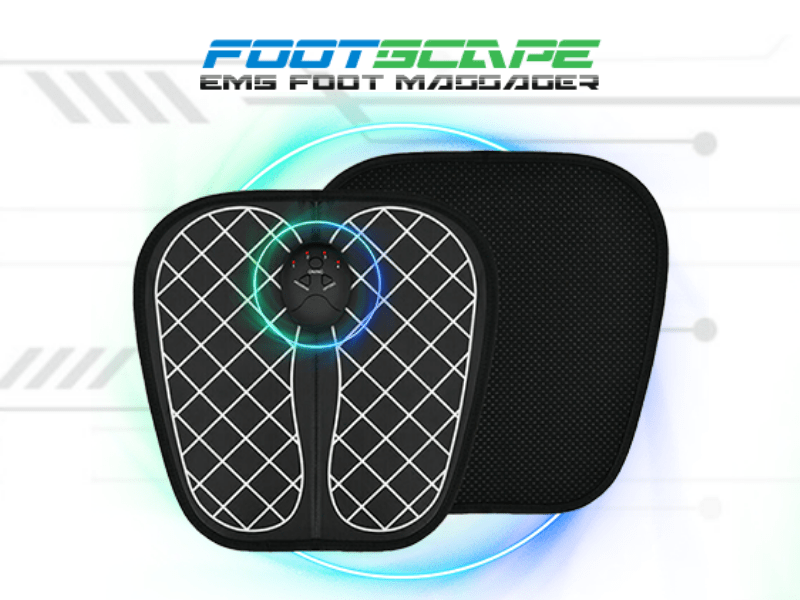
NEW YORK, December 9, 2025 (Newswire.com) - FootScape EMS Foot Massager: Complete Guide to Portable Electrical Muscle Stimulation Foot Care for 2026
Disclaimer: This article is for informational purposes only and does not constitute medical advice. Always consult a qualified healthcare professional before starting any new wellness device. If you purchase through affiliate links in this article, a commission may be earned at no additional cost to you. This article treats FootScape EMS Foot Massager as a general wellness device for relaxation and does not present it as a medical device.
What Is FootScape EMS Foot Massager and How Does It Work?
Entering 2026 with foot care solutions that actually fit modern life means exploring technology that moves with you. FootScape EMS Foot Massager is a portable device that delivers electrical muscle stimulation to feet and lower legs, creating massage-like sensations without mechanical rollers, air pumps, or stationary equipment. Instead of bulky wellness devices that demand dedicated space, this foldable design supports your relaxation routine at home, in the office, or while traveling.
The device uses electrical muscle stimulation (EMS) technology-a method that sends low-frequency electrical pulses through the skin to stimulate underlying muscle tissue and nerve endings. The sensation differs fundamentally from traditional vibration massagers or mechanical massage chairs. Rather than physical manipulation, EMS creates a rhythmic tapping, kneading, or pulsing sensation as electrical currents cause muscles to contract and relax naturally.
According to the official product documentation, FootScape targets multiple zones simultaneously: the heels, arches, balls of the feet, toes, and adjacent areas including the ankles, Achilles tendons, and calf muscles. This multi-zone layout means a single session may produce sensations in multiple areas of the feet and lower legs, not just the soles.
The key difference between EMS technology and other foot massager categories lies in the mechanism. Mechanical devices use rotating rollers or kneading nodes (creating noise and requiring more space). Air compression devices rely on inflatable chambers (adding bulk and pump noise). EMS operates silently through electrical pulses, making it suitable for offices, shared spaces, or quiet evenings at home. The absence of moving parts also enables a significantly lighter, more compact design.
Core Features and Technical Specifications
Understanding what FootScape offers requires clarity on its actual capabilities. According to the official product page, the device includes:
10 Adjustable Intensity Levels
The device offers 10 distinct intensity settings controlling the strength of electrical pulses delivered during each session. Level 1 represents the gentlest stimulation suitable for users new to EMS technology or those with lower pain tolerance. Level 10 provides maximum pulse strength for users seeking deeper sensation and muscle activation.
Users select and adjust intensity through the device controls during active sessions, allowing real-time customization. Sensitivity to electrical stimulation varies significantly among individuals-what feels comfortable to one person may feel too strong or too light to another. This range of options means the device can adapt to diverse preferences within a household or support the same user across different sessions or contexts.
For individuals new to EMS, starting at lower intensity levels allows the body to acclimate to the sensation. As familiarity increases, users can gradually explore higher settings if desired. There is no requirement to use maximum intensity; optimal sessions are defined by personal comfort and preference, not by reaching the highest settings.
6 Vibration Modes
Beyond intensity, the device includes 6 distinct vibration modes that alter the pattern and rhythm of electrical pulse delivery. While intensity controls pulse strength, vibration modes control the timing and sequence of pulses, creating different sensory patterns.
Some modes deliver steady, consistent pulses that create a continuous stimulation pattern. Others alternate between pulse patterns, delivering more varied rhythmic sensations. The manufacturer describes these modes as simulating various massage-like experiences, though individual perception and preference for these patterns varies widely.
The combination of 10 intensity levels multiplied by 6 vibration modes creates 60 potential configuration combinations. This diversity means users can experiment extensively with different settings to discover personal preferences and match settings to specific contexts (e.g., post-workout recovery vs. evening relaxation vs. office fatigue management).
Acupoint Targeting Design
The device incorporates intelligent acupoint technology, designed to distribute electrical pulses across foot areas where acupressure points are traditionally located in wellness practices. Acupressure and reflexology identify specific zones on the feet as significant in holistic wellness traditions, though FootScape makes no medical claims regarding acupressure or reflexology outcomes.
The device delivers electrical stimulation to the foot surface based on where electrodes contact the skin. Individual experiences with this stimulation vary, and the degree to which users perceive or benefit from acupoint targeting depends on foot anatomy, electrode placement, and personal sensitivity.
Foldable, Lightweight, Portable Construction
The device features a foldable design allowing it to collapse flat for storage in drawers, bags, or luggage. This portability distinguishes FootScape from larger stationary foot massagers that require dedicated floor space and permanent placement. The manufacturer describes the device as lightweight, enabling movement between rooms, travel across time zones, or storage in compact living spaces.
The portable form factor addresses a real consumer pain point: most wellness devices demand lifestyle accommodation rather than fitting into existing routines. By folding flat and remaining transportable, FootScape supports consistent use across different environments without requiring installation, setup, or space negotiation.
Whisper-Quiet Operation
Because electrical pulses replace mechanical components, FootScape operates almost silently. There are no motors, rollers, pumps, or vibrating mechanisms that generate audible noise. The primary sound during operation comes from button presses when adjusting settings.
This operational characteristic enables use in environments where noise would be disruptive: shared spaces, professional offices during work hours, libraries, or shared bedrooms where partners sleep. Quiet operation eliminates a common barrier to consistent use-the device doesn't disturb your environment or those around you, making daily incorporation into routines more feasible.
Ergonomic Pad Design
The device surface is configured to accommodate feet in a natural resting position. The manufacturer describes the pad as ergonomic, intended to support comfortable foot placement during sessions. According to product information, the pad accommodates a range of adult foot sizes, supporting household use across different family members.
Comfort during sessions matters significantly for consistency. A poorly designed pad leads to awkward positioning, muscle strain, or foot misalignment-problems that reduce session enjoyment and limit long-term use. An ergonomic design removes friction from the user experience, making regular sessions feel natural rather than like an imposed health obligation.
How FootScape EMS Compares to Other Foot Massager Technologies
The foot wellness market includes distinct product categories using fundamentally different technologies. Understanding these differences helps clarify why EMS technology appeals to different user preferences and lifestyles than mechanical or air-based alternatives.
EMS Technology vs. Mechanical Roller Devices
Traditional foot massagers use rotating mechanical rollers powered by electric motors. These rollers physically manipulate the foot surface, creating sensations through mechanical movement rather than electrical stimulation.
Structural differences:
Roller devices weigh more due to motor and mechanism components
Roller devices typically occupy more space and don't fold
Roller devices produce audible motor and mechanical noise
Roller devices create sensations through physical pressure and movement
EMS devices are lighter, foldable, silent, and stimulate through electricity
Neither technology is objectively superior. Mechanical roller devices appeal to users who prefer familiar massage sensations resembling professional massage. EMS appeals to users seeking quiet operation, portability, or different sensory experiences. Some users prefer one over the other; others respond better to mechanical massage.
EMS Technology vs. Air Compression Devices
Air compression foot massagers feature inflatable chambers that cycle between inflation and deflation, creating squeezing sensations around feet and calves. These devices rely on air pumps and compression mechanics.
Structural differences:
Air compression devices produce pump noise during operation
Air compression devices are bulkier due to chamber requirements
Air compression devices cannot fold flat easily
Air compression creates sensations through squeezing pressure cycles
EMS creates sensations through electrical muscle stimulation
Air compression appeals to users seeking circulation-focused sensations mimicking professional compression therapy. EMS appeals to users seeking customizable electrical stimulation, portability, and silent operation. Again, preference depends on individual response and intended use context.
EMS Technology vs. Basic Vibration Devices
Entry-level foot massagers sometimes use simple vibrating motors creating oscillating sensations without electrical stimulation. These devices vibrate the foot surface at various frequencies.
Structural differences:
Basic vibration devices are less expensive but offer fewer customization options
Basic vibration devices may lack distinct intensity levels and mode variations
EMS devices offer 10 intensity levels and 6 modes (60 combinations) vs. typically 2-3 settings on basic vibration devices
EMS provides different sensory experience than simple oscillation
Basic vibration devices serve budget-conscious users or those testing whether foot massage appeals to them. EMS devices appeal to users seeking customization depth, technology sophistication, and sensory variety.
Individual Response Variability Is Paramount
EMS technology creates distinct sensations that differ fundamentally from mechanical, air-compression, or basic-vibration approaches. Some individuals find EMS sensations pleasant, satisfying, and preferable to all other options. Others find electrical sensation unfamiliar, uncomfortable, or less appealing than mechanical massage. Personal preference, sensory tolerance, and individual body response determine suitability far more than technology category alone.
Users considering EMS-based devices should understand that entering this technology represents a different sensory experience than mechanical massage. Testing at low intensity levels before committing to higher settings or longer sessions allows the body and nervous system to acclimate to the sensation pattern.
How to Set Up and Use FootScape EMS Foot Massager
Initial Preparation
Upon receiving your device, remove it from packaging and visually inspect for shipping damage. Check that all surfaces appear intact before first use. The device arrives folded and requires no assembly-simply unfold and prepare for charging.
Review any included documentation, instructional materials, or warranty information. Familiarize yourself with the control interface and basic operating features before your first session.
Charging
Before first use, fully charge the device using the provided charging cable. Connect the cable to the device charging port and plug into an appropriate wall outlet or power bank. Charging time varies; allow adequate time for a complete charge (typically several hours for initial charge).
Develop a consistent charging routine matching your usage patterns. Some users charge after each session; others charge when battery indicators show declining power. A charged device ready when you need it eliminates friction from consistent use.
Placement and Positioning
Unfold the device and position it on a flat, stable surface where it rests securely without rocking or shifting. Suitable surfaces include hard floors, low-pile carpet, and other stable platforms. Avoid soft surfaces like thick rugs or beds where device stability becomes compromised.
Position the device in front of seating (chair, sofa, office chair, or bed) that allows your feet to rest naturally on the pad with legs at approximately 90-degree angles at the knee. This positioning reduces strain on your legs and lower back during sessions.
Foot Positioning and Clothing Considerations
Sit in your chosen location and place both feet on the device pad, allowing them to rest in a relaxed, natural position with soles making complete contact with the pad surface. Avoid tensing feet or curling toes; let them rest naturally.
The device works optimally with bare feet, providing maximum skin contact with the pad and allowing electrical pulses to transmit effectively. Thin socks may still permit pulse transmission, though sensation may reduce slightly. Thick socks, stockings, or footwear should not be worn during use, as they block electrical transmission and prevent proper stimulation.
Selecting Intensity and Mode Settings
Power on the device using the control interface. Begin at intensity level one, particularly if you are unfamiliar with EMS technology. Select a vibration mode from the available options.
Once active, you may feel tingling, pulsing, tapping, or other sensations in your feet. These sensations result from electrical pulses stimulating muscle tissue and nerve endings. They are normal responses to EMS technology.
Assess how the initial settings feel. If level one feels comfortable and you wish to explore stronger sensation, increase one level at a time, pausing to assess each adjustment. There is no requirement to use higher intensities; select settings based solely on personal comfort and preference. Many users find optimal benefits at mid-range settings rather than maximum intensity.
Similarly, experiment with different vibration modes to explore available pulse patterns. Preferences vary widely; the mode one person finds most appealing may differ completely from another's preference. Your optimal settings reflect your individual physiology and sensory preferences, not objective "correct" settings.
Session Duration and Frequency
Session duration is a matter of personal preference and comfort. Many users find sessions ranging from 15 to 30 minutes satisfying; others prefer shorter or longer durations. The device may include automatic shutoff features ending sessions after predetermined periods; consult device documentation for specifics relevant to your unit.
For initial sessions, shorter durations allow your body to acclimate to EMS sensation and assess how you respond. Extend duration gradually as you become comfortable with the technology and understand your body's response patterns.
After-Session Care
After completing your session, power off the device. Wipe the pad surface with a soft, dry cloth or slightly damp cloth to remove any moisture or residue. Allow surfaces to dry completely before folding for storage.
Store the folded device in a cool, dry location away from direct sunlight and extreme temperatures. Proper storage extends device lifespan and maintains functionality across months and years of use.
Understanding EMS Technology: How Electrical Muscle Stimulation Actually Works
For individuals new to EMS, understanding the mechanism reduces anxiety about safety and helps optimize the experience.
EMS technology sends low-frequency electrical currents through the skin to stimulate muscles and nerves below. These currents cause muscles to contract and relax rhythmically, mimicking some effects of muscular activity. The sensation resembles gentle tapping, kneading, or pulsing rather than sharp electrical shock (which would indicate unsafe devices).
Physiologically, EMS stimulates motor neurons supplying muscles in the foot region. When activated, these neurons trigger small muscle contractions. By repeating this activation at controlled frequencies and intensities, the device creates sustained muscle engagement without requiring physical movement from the user.
This mechanism differs from passive stretching (where the muscle is lengthened) and from active exercise (where the user voluntarily contracts muscles). EMS occupies a middle ground: involuntary stimulation without requiring voluntary movement. Intensity should be set at a level that feels comfortable rather than painful. Some users may find EMS sensation unfamiliar during initial sessions; starting at lower intensity levels allows adjustment and acclimation.
Individual sensitivity to electrical stimulation varies based on skin conductivity, nerve sensitivity, underlying muscle mass, and individual physiology. What feels pleasant to one person may feel uncomfortable to another at the same intensity level. This variability explains why starting at low intensities and advancing gradually remains important-your body's specific response determines optimal settings, not preset "ideal" levels.
Safety Considerations and Important Usage Precautions
EMS devices deliver electrical stimulation and require appropriate safety awareness. The following outlines essential precautions based on general EMS device safety principles.
General Safety Precautions
Before each use, inspect the device for visible damage, including cracks, fraying, or exposed components. Do not use a damaged device, as compromised integrity could affect safety or effectiveness.
Use the device only as intended-on the feet and lower legs. Do not use electrical muscle stimulation on other body areas without explicit manufacturer guidance.
Never use the device while sleeping, drowsy, or under the influence of substances impairing judgment or sensation. Consciousness and sensory awareness during sessions allow you to immediately stop if discomfort emerges.
Keep the device away from water and moisture. Do not use in bathrooms, near pools or bathtubs, or with wet feet. Do not submerge the device in water.
Consult device documentation before using while charging, as safety during simultaneous use and charging depends on specific device design.
Never attempt to open, modify, or repair the device. Unauthorized modifications compromise safety and void any manufacturer protections.
Individuals Who Should Consult Healthcare Professionals Before Use
Anyone with implanted electronic devices (pacemakers, defibrillators, insulin pumps), pregnancy, circulation or neurological conditions, reduced sensation in their feet, seizure disorders, bleeding disorders, or other significant health concerns should consult a qualified healthcare professional before using EMS devices. Electrical stimulation could potentially interfere with implanted device function, and individual health circumstances require personalized medical guidance.
Skin Health Considerations
Do not use the device on areas of broken, irritated, inflamed, or infected skin. Allow skin conditions to fully resolve before resuming device use on affected areas.
Stop use immediately if you experience:
Persistent pain or discomfort beyond minor initial sensation Numbness or tingling that continues after sessions end Skin irritation, redness, or rash Muscle spasms or cramping Dizziness or lightheadedness Nausea or unusual symptoms
If adverse reactions are mild and resolve quickly, you may cautiously retry the device at significantly lower intensity settings. If reactions are severe, persistent, or concerning, consult a healthcare professional before resuming use.
Children and Age Considerations
The device is designed for adult use. Children should not use the device unless directed by a healthcare provider and under direct adult supervision.
Use Cases and User Contexts
Different individuals find portable EMS foot devices appealing for different reasons based on their lifestyle and preferences.
Office and Desk Workers: Individuals who spend extended periods seated at desks may find that portable, quiet foot massagers integrate into work routines without disruption. The quiet operation supports use during work breaks or office downtime without disturbing colleagues. Portability between home and office supports consistency across different environments.
Athletes and Travelers: People who travel frequently or maintain active training schedules appreciate devices that fold flat and require minimal charging infrastructure. Portability enables consistent use regardless of location, with no special equipment or setup needs.
Users Seeking Customizable Wellness Options: Individuals who prefer devices offering extensive adjustment options appreciate the range of intensity levels and vibration modes, supporting personalized settings for different preferences or contexts. The ability to experiment with 60 different configuration combinations means users can find settings matching personal sensory preferences.
Individuals with Limited Mobility: Older adults or those with mobility constraints may find that EMS devices require minimal physical exertion compared to other wellness activities, supporting independent use without assistance or special equipment setup. The quiet operation and portability enable use across different rooms and contexts.
Individuals Seeking Portable Wellness Solutions: People prioritizing compact, lightweight equipment that travels easily or stores in limited space find foldable, portable designs enable consistent use across diverse environments and lifestyles.
Important note: Individual preferences, responses to EMS technology, and lifestyle suitability vary. These use cases describe contexts where EMS foot massagers may appeal to different users based on device characteristics, not guaranteed outcomes or benefits for any particular individual. Results depend on individual factors including preferences, consistency of use, baseline conditions, and numerous other variables.
Pricing, Availability, and Getting Started in 2026
FootScape EMS Foot Massager is available through the official website. For current pricing information, promotional offers, and availability status, visit the official FootScape EMS Foot Massager website directly.
Pricing and promotional terms are subject to change without advance notice. The official website displays current pricing, any active discounts, bundle options, and real-time stock status. Verify all details at checkout before purchase, as prices and offers may vary by date and region.
For customer support questions, contact the company directly through the official website or the details listed below. Support availability and response times may vary based on inquiry volume and seasonality.
Phone Support: 1 800 984 2016
Customer Support Hours: 12:00 pm - 8:00 pm EST
Frequently Asked Questions About EMS Foot Massage Devices
Q: Does EMS technology actually work for foot wellness?
A: EMS technology is widely used in physical therapy and sports recovery contexts. Among consumers using EMS foot massagers, many subjectively report feeling more comfortable on their feet, noticing less tension, or experiencing different sensations. However, individual response varies significantly, and results are not guaranteed. Consult your healthcare provider if you have specific health concerns.
Q: How is EMS technology different from standard vibration massagers?
A: Vibration massagers use motors creating oscillating sensations. EMS devices send electrical pulses stimulating muscles and nerves. The sensations differ fundamentally. Some users prefer one over the other based on personal response.
Q: Is EMS safe if I have a pacemaker or implanted device?
A: No. Electrical stimulation devices should not be used by individuals with pacemakers, cardiac defibrillators, or other implanted electronic devices without explicit physician approval. Electrical current could interfere with device function.
Q: How often should I use an EMS foot massager?
A: Usage frequency depends on personal preference and response. Some users find daily 15-30 minute sessions beneficial. Others prefer 2-3 sessions weekly. Start gradually and adjust based on your experience and comfort. Consistency tends to produce more notable changes than sporadic use.
Q: How long until I notice changes?
A: Individual timelines vary. Some users report noticeable effects within the first few sessions. Others require 1-2 weeks of consistent use before perceiving changes. Factors including individual physiology, baseline condition, consistency of use, and intensity settings influence timeline. Results are not guaranteed.
Q: Can I use the device with socks?
A: Bare feet are optimal, providing maximum pad contact and electrical transmission. Thin socks may permit transmission with reduced sensation. Thick socks, stockings, or footwear block transmission and should not be worn during use.
Q: Is this a medical device?
A: According to the brand's marketing position, FootScape EMS Foot Massager is presented as a general wellness and relaxation device. This article does not present it as a medical device and makes no disease-treatment claims. If you have health conditions or concerns, consult your healthcare provider.
Q: Where is FootScape manufactured and shipped from?
A: Verify current manufacturing and shipping information directly on the official website, as these details may vary based on current operations.
Q: What is the return or satisfaction guarantee policy?
A: The official website provides current information on return policies, guarantees, and satisfaction assurances. Review these terms before purchase, as policies may change.
Why Choose EMS Technology for Portable Foot Wellness?
As you plan your 2026 wellness approach, portable, customizable foot care can be easier to fit into modern routines than stationary devices that demand dedicated space and setup-especially for people who value flexibility and portability. EMS technology offers specific advantages if your lifestyle involves:
Travel and mobility: Foldable, lightweight design moves with you across work trips, vacations, and relocations.
Quiet, discreet operation: Use at home without disturbing others, in offices during breaks, or anywhere without creating distraction.
Customization preferences: 60 configuration combinations (10 intensities × 6 modes) support extensive personalization rather than one-size-fits-all settings.
Minimal maintenance: No mechanical parts to wear, no filters to replace, no assembly or special installation required.
Individual sensory preference: EMS creates distinct sensations that some individuals prefer over mechanical massage, air compression, or basic vibration.
This doesn't mean EMS is objectively "best"-mechanical rollers, air compression, and basic vibration devices serve users who prefer those sensations. Your optimal choice depends on your sensory preference, lifestyle context, portability requirements, and budget.
Phone Support: 1 800 984 2016
Customer Support Hours: 12:00 pm - 8:00 pm EST
Important Disclaimers and Final Guidance
Medical Disclaimer: This article is educational and does not constitute medical advice. FootScape EMS Foot Massager is not a substitute for professional medical treatment. If you experience foot pain, circulation problems, neuropathy, or other health concerns, consult qualified healthcare professionals. Do not change, reduce, or discontinue prescribed medications based on this article or device use. Any significant changes to your health regimen should occur only under medical guidance.
FDA and Regulatory Status: The statements made in this article have not been evaluated by the Food and Drug Administration. FootScape EMS Foot Massager is not intended to diagnose, treat, cure, or prevent any disease or medical condition.
Results Variation: Individual results vary significantly based on age, baseline health status, lifestyle, consistency of use, genetic factors, medications, underlying conditions, and numerous other variables. While some users report improvements, results are not guaranteed or typical. This article describes the device, features, and user experiences but does not guarantee specific outcomes for any particular user.
Affiliate Disclosure: This article contains affiliate links. If you purchase through these links, a commission may be earned at no additional cost to you. This compensation does not influence the accuracy, neutrality, or integrity of the information presented. All descriptions and claims are based on published information, official product documentation, and user reports.
Pricing Disclaimer: All prices, discounts, and promotional offers mentioned in this article were accurate at the time of publication (December 2025) but are subject to change without notice. Always verify current pricing, terms, and availability on the official product website before purchase. Checkout totals may differ from advertised prices due to taxes, shipping, or regional variations.
Publisher Responsibility: The publisher of this article has made every effort to ensure accuracy at the time of publication. We do not accept responsibility for errors, omissions, inaccuracies, or outcomes resulting from use of the information provided. Readers are encouraged to verify all details directly with the official source and appropriate healthcare professionals before making decisions.
Information Currency: Statements, pricing, features, and availability described in this article reflect information current as of December 2025. Product features, pricing, policies, and company details may change without advance notice. For authoritative, current information, visit the official FootScape EMS Foot Massager website.
Ready to explore portable foot wellness for 2026? Learn more and see current pricing on the official FootScape EMS Foot Massager website - where you'll find the latest promotions, detailed product specifications, and customer support resources.
Contact Information
FootScape EMS Foot Massager Customer Support
support@futurebrightgoods.com
1 800 984 2016
Source: FootScape